Speaker toolkit
Thank you ❤ for being a speaker at the Digital Humanism Conference!
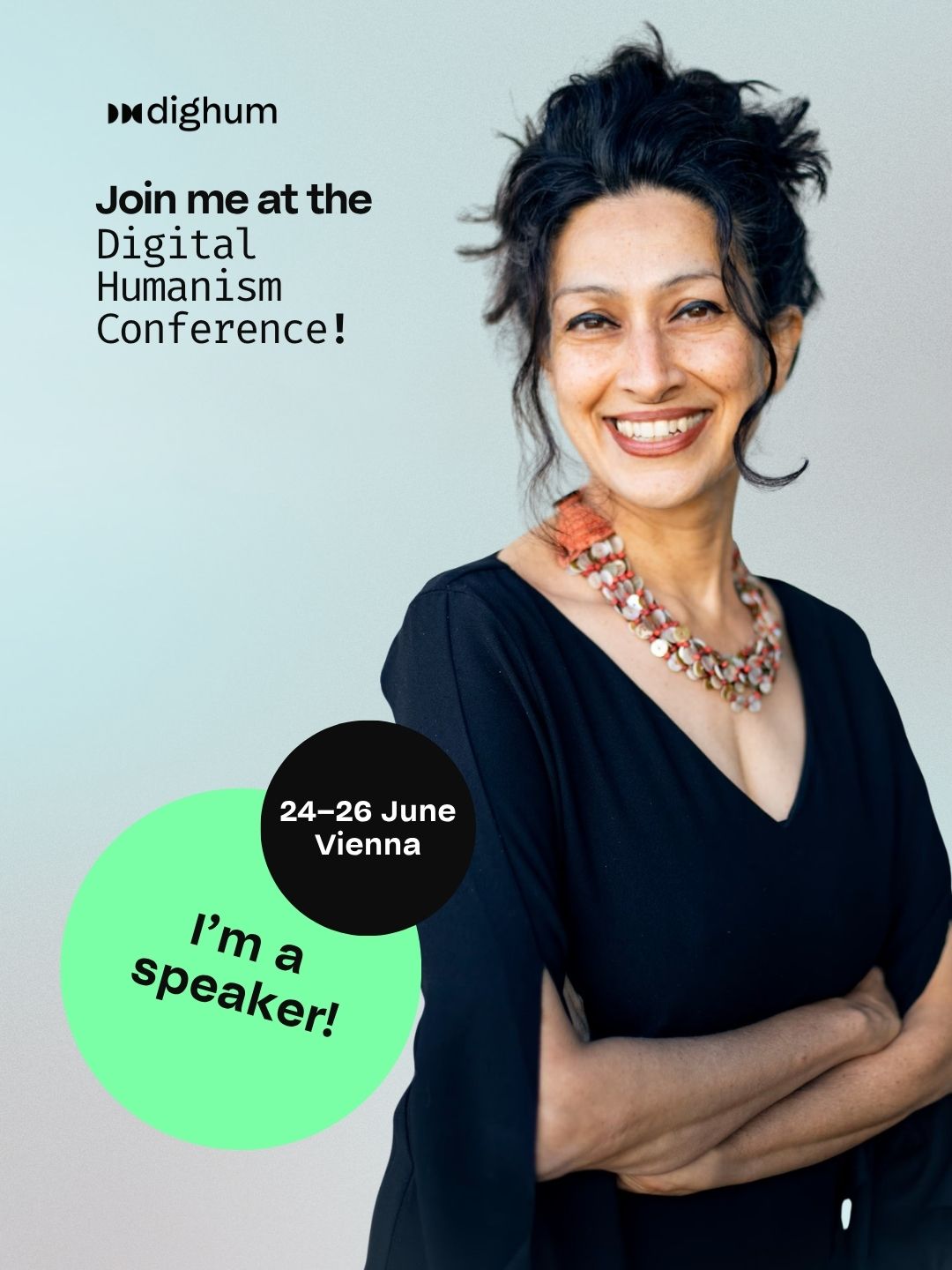
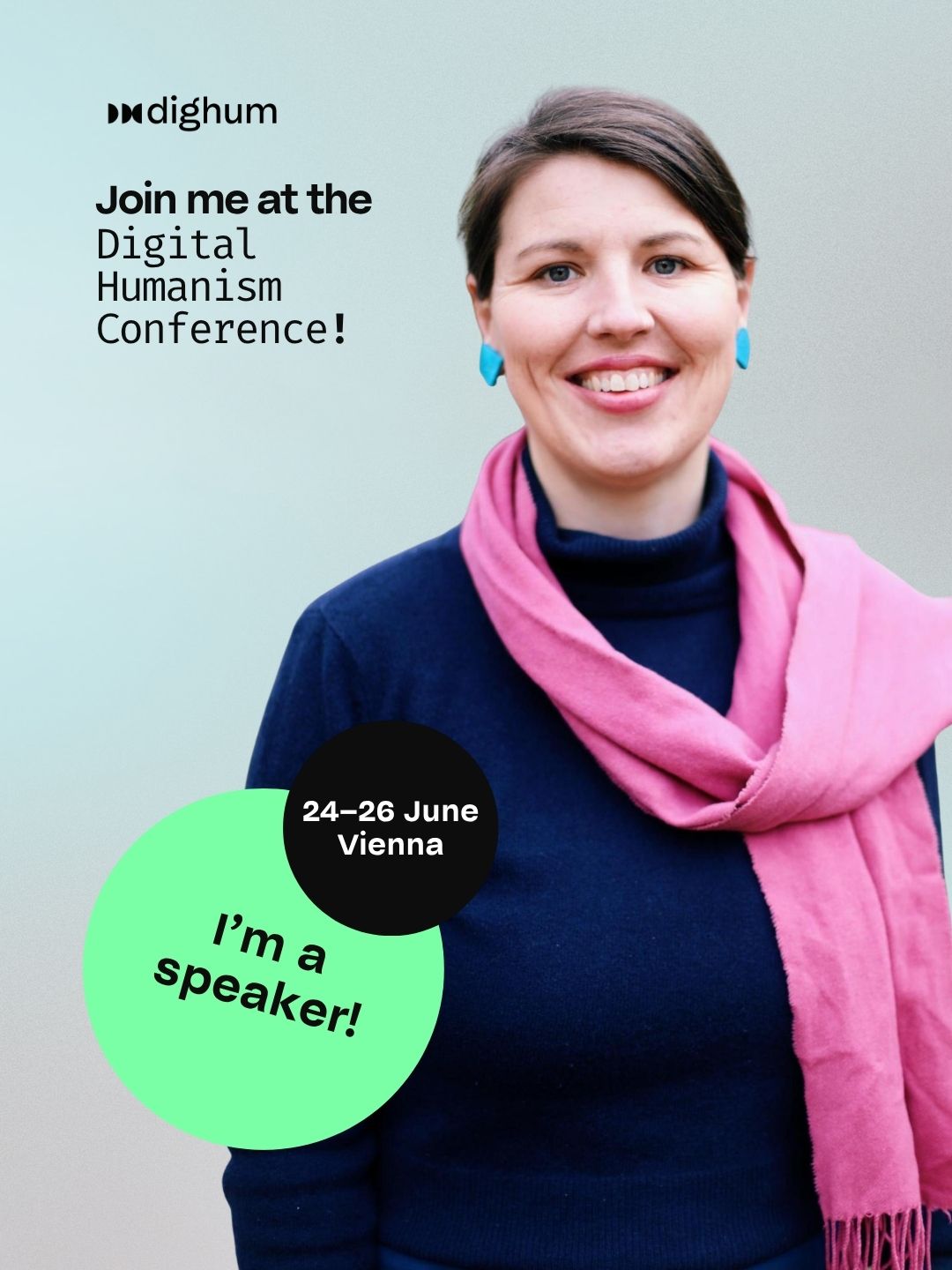
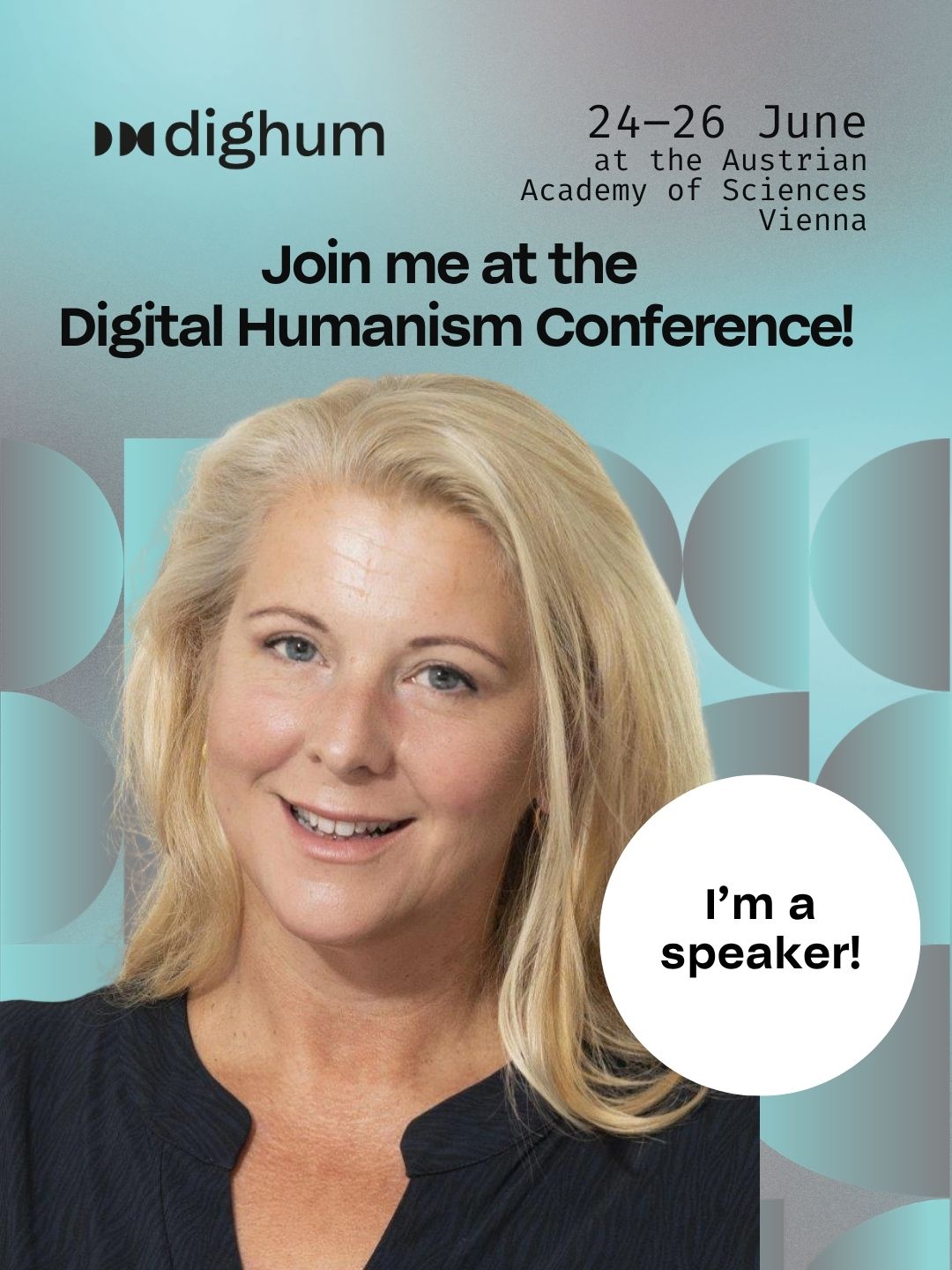
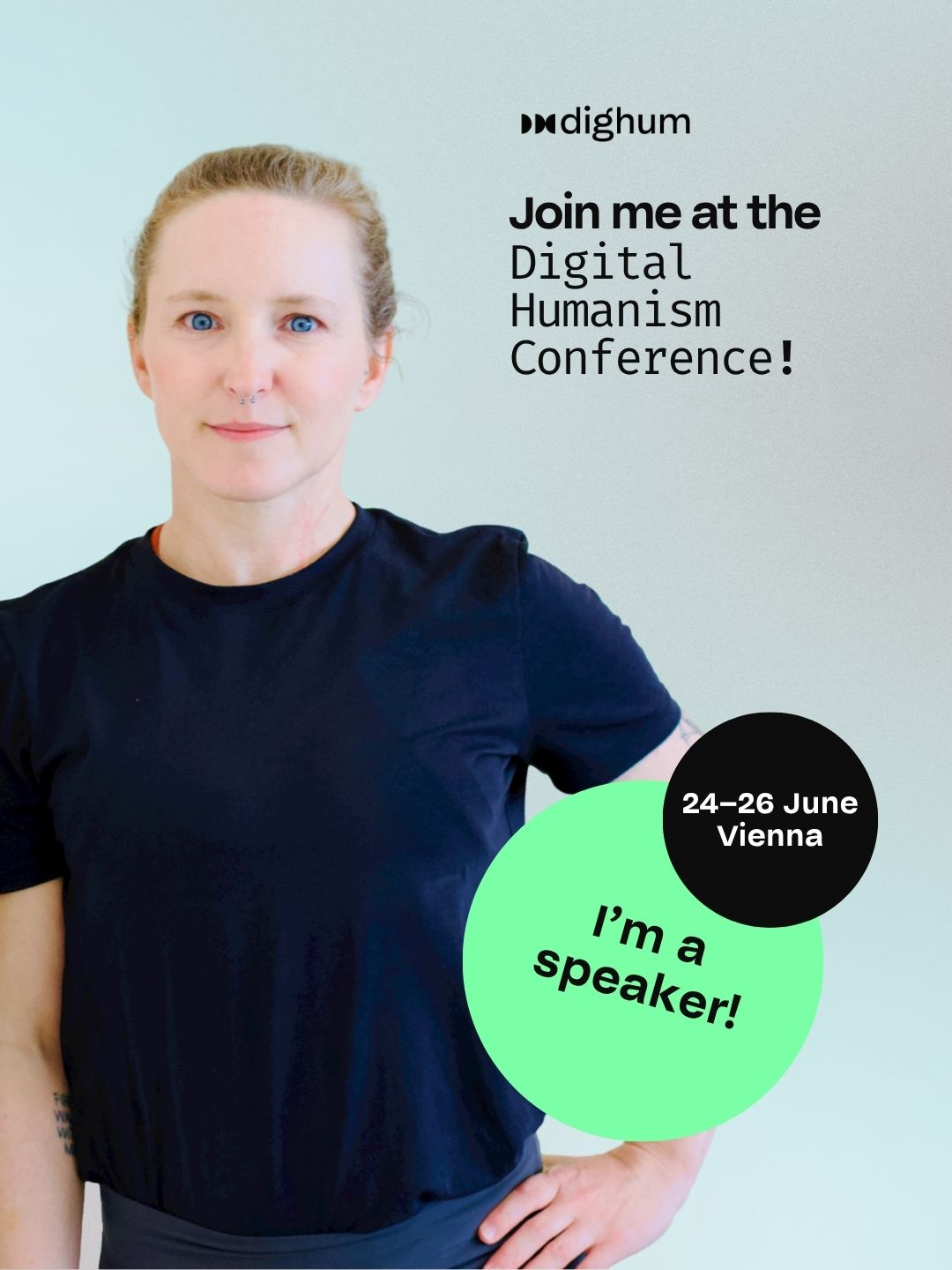
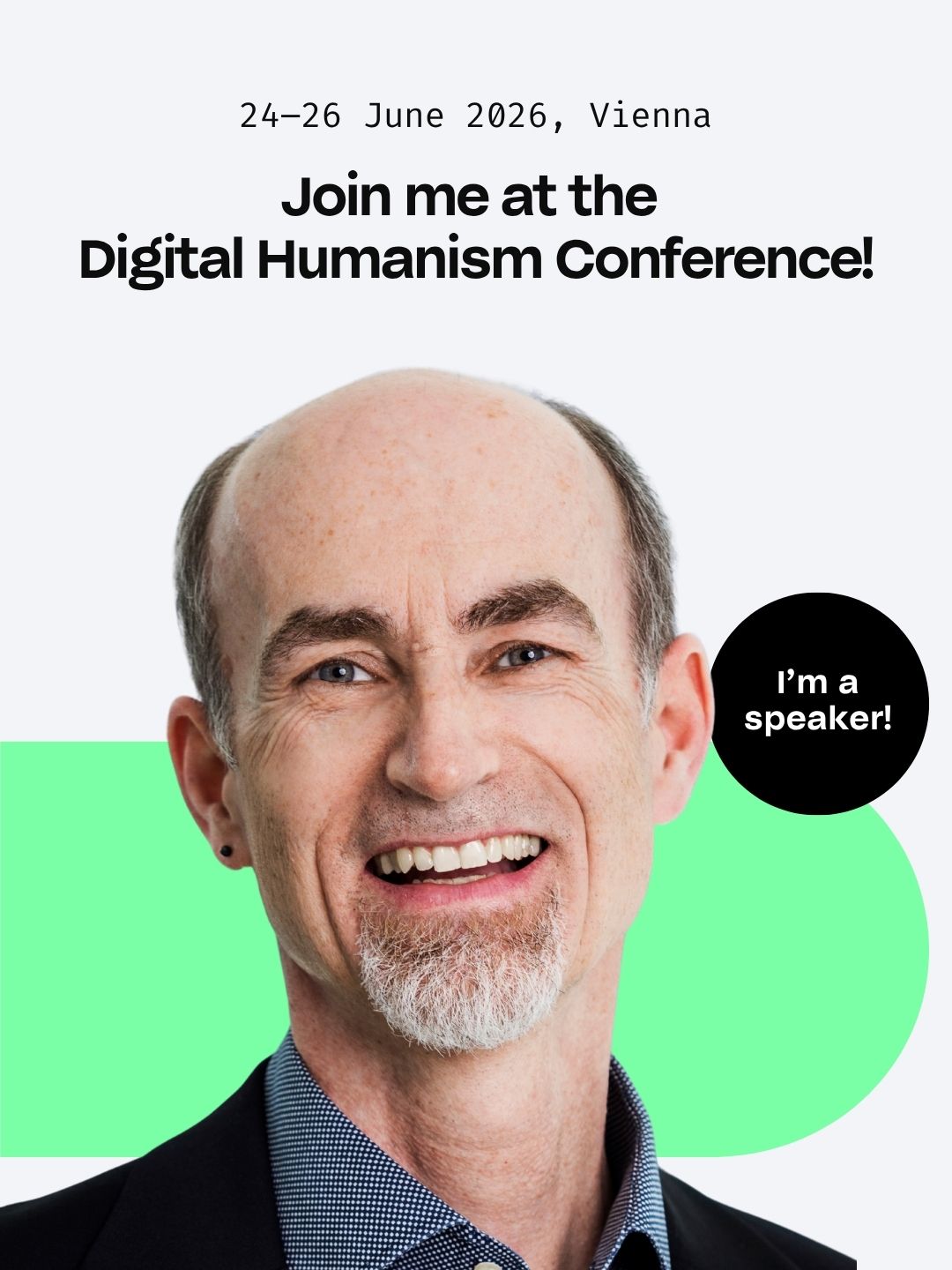
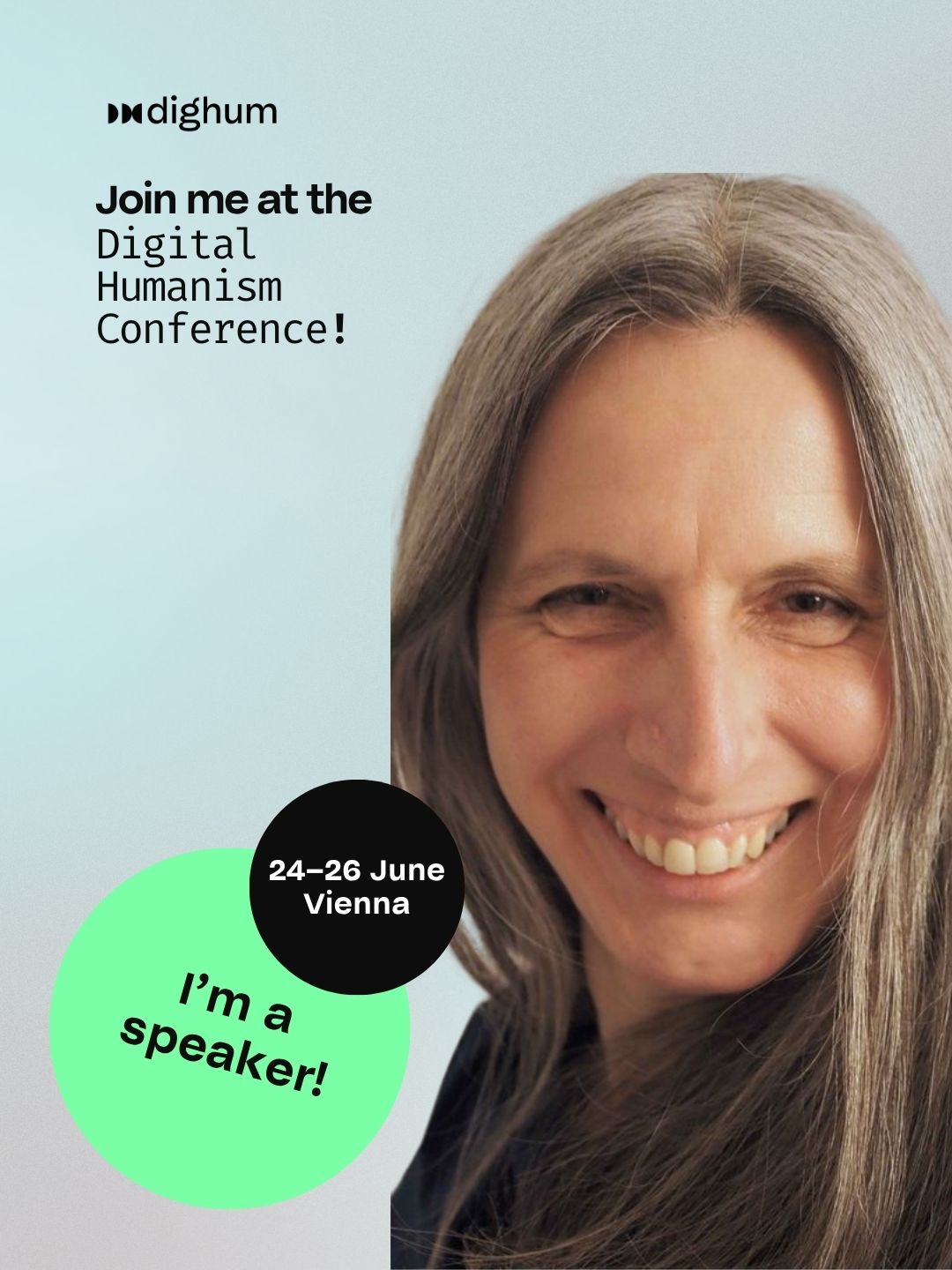
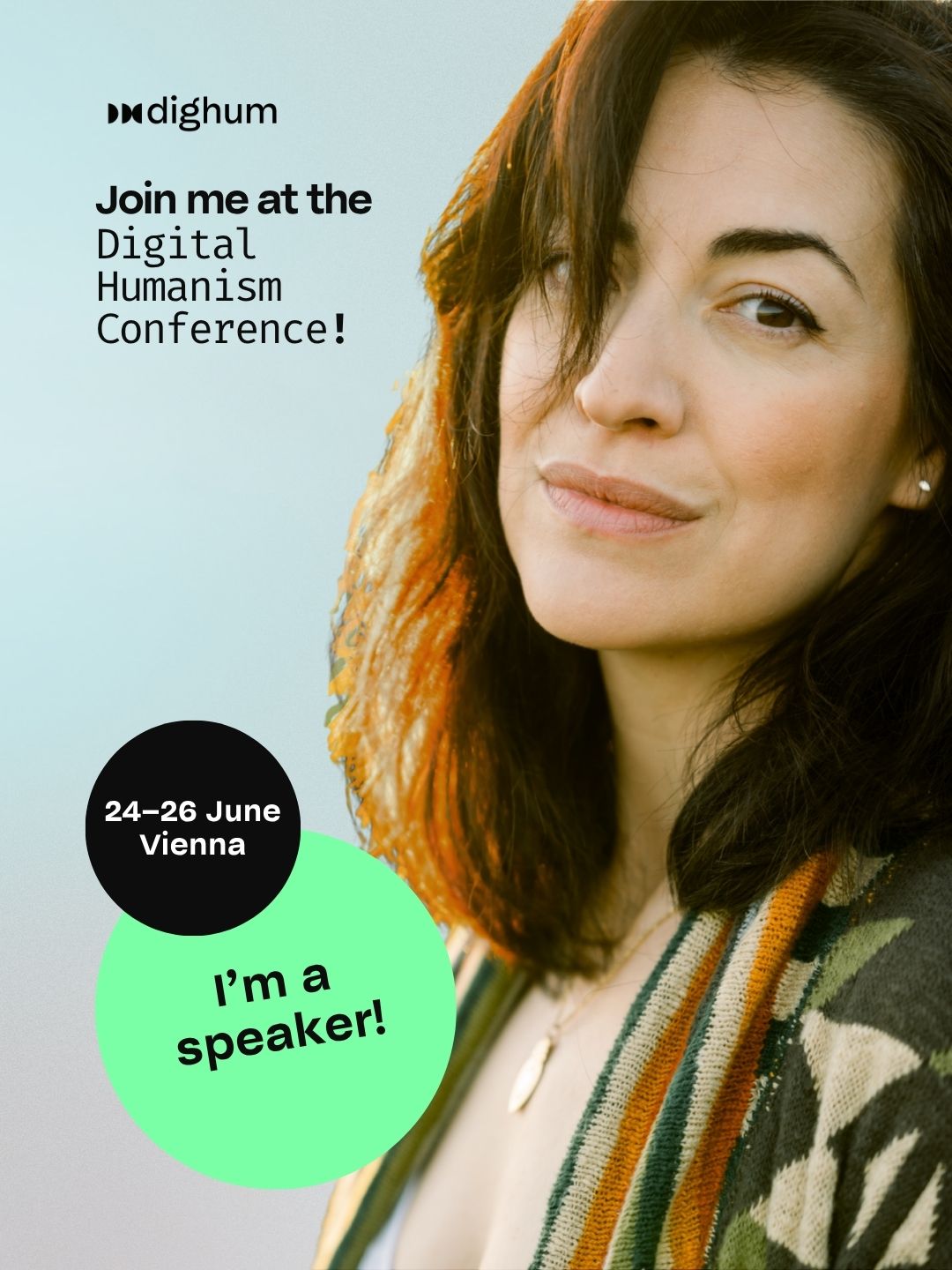
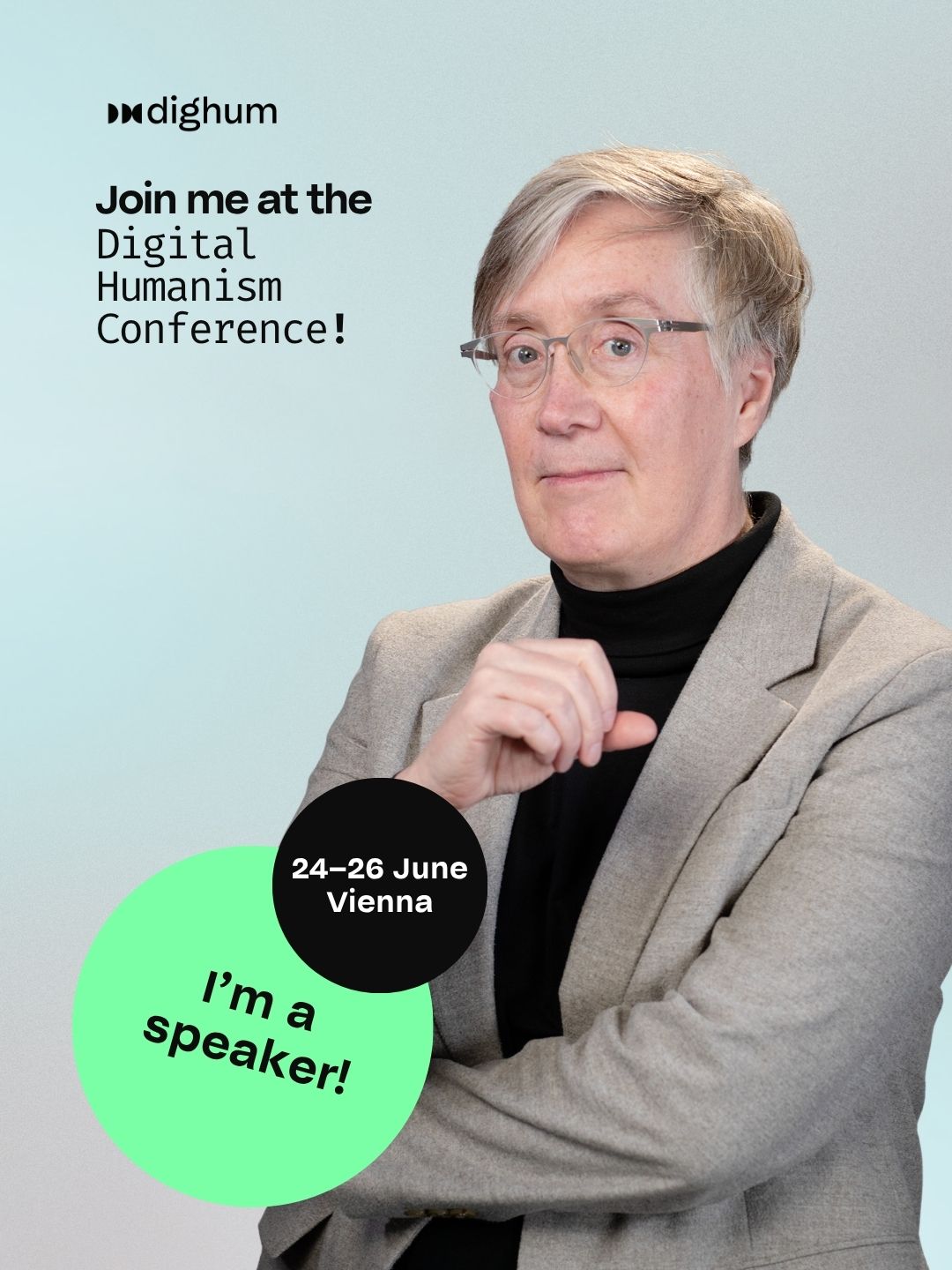
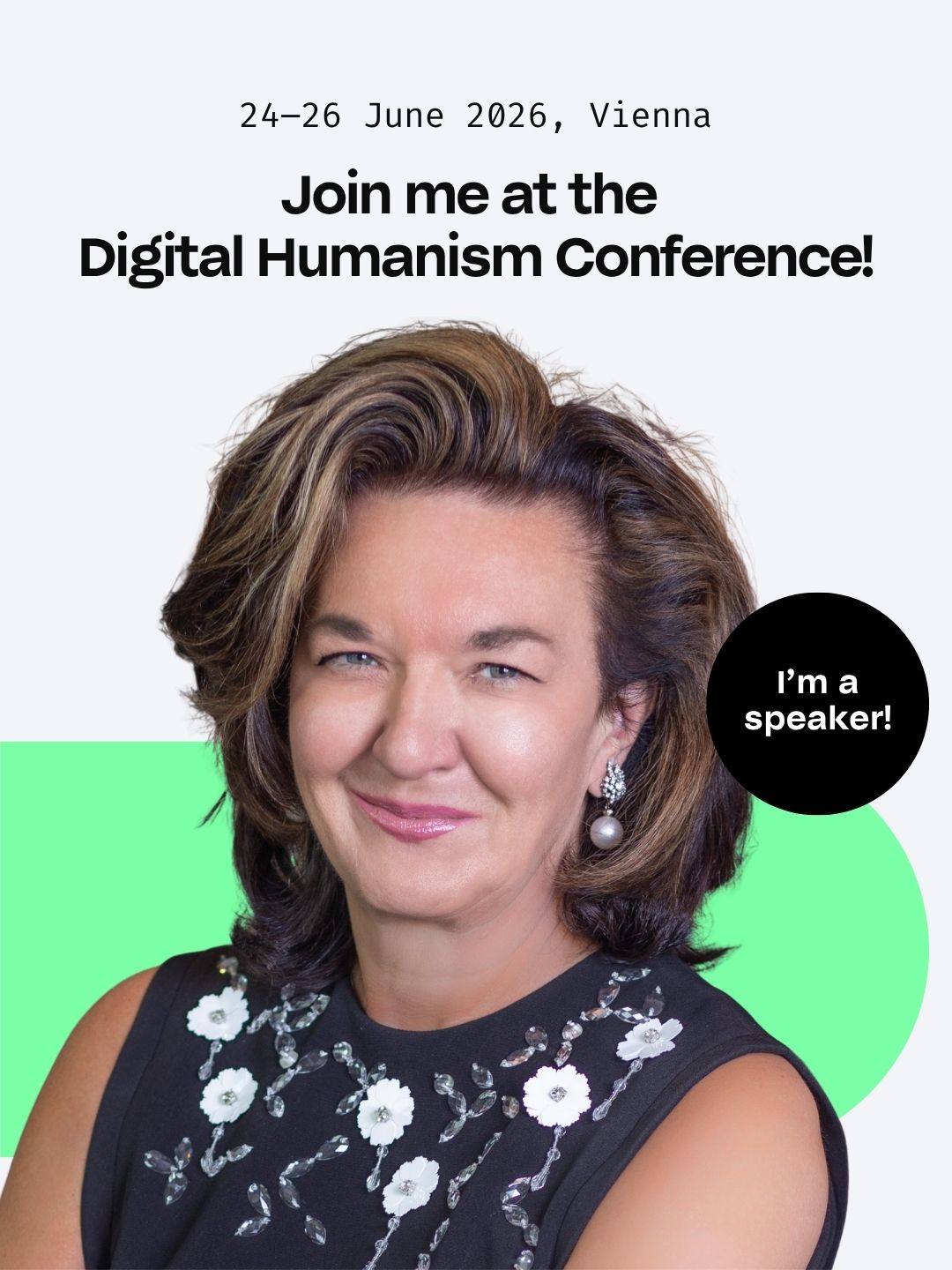
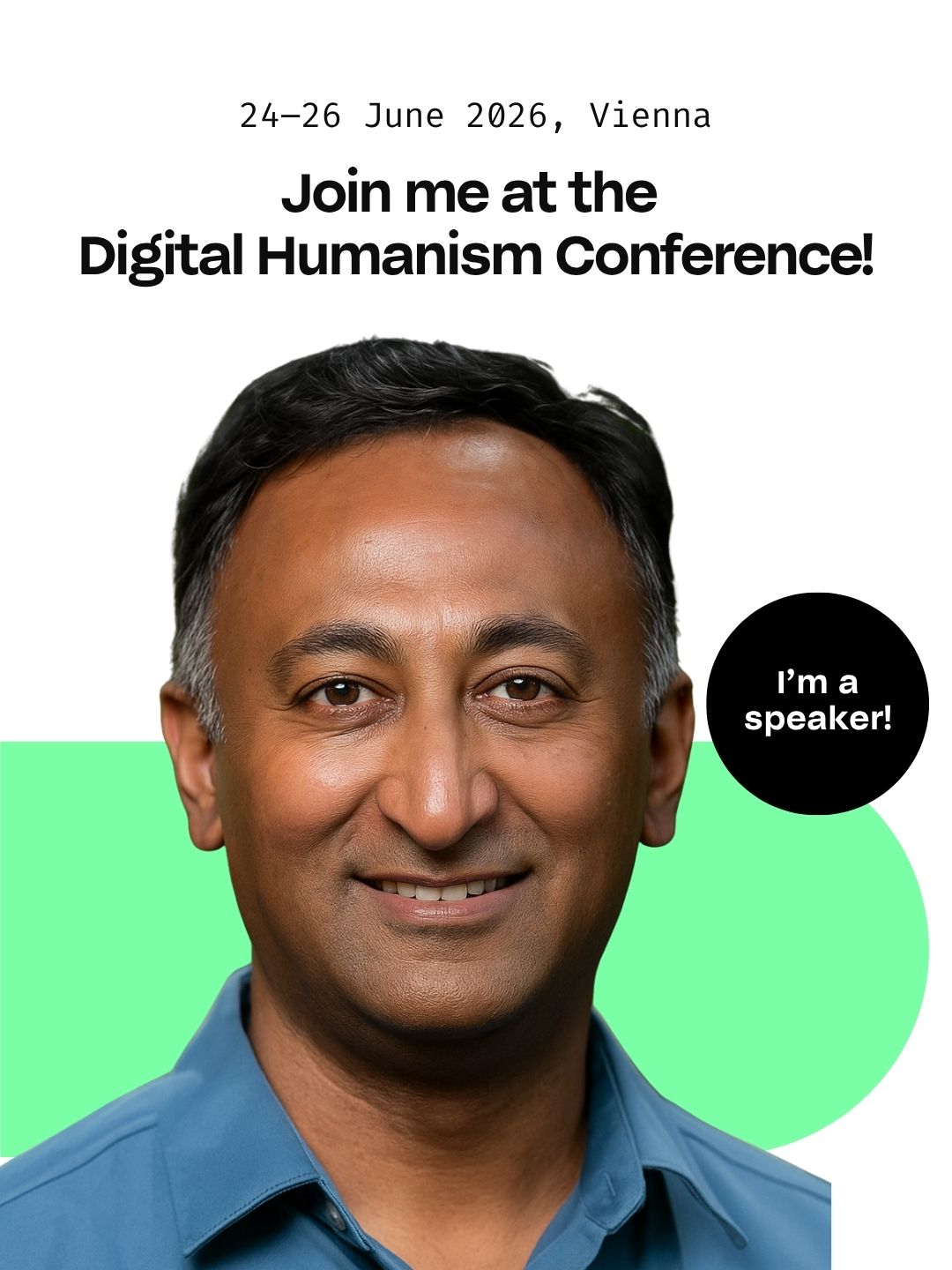
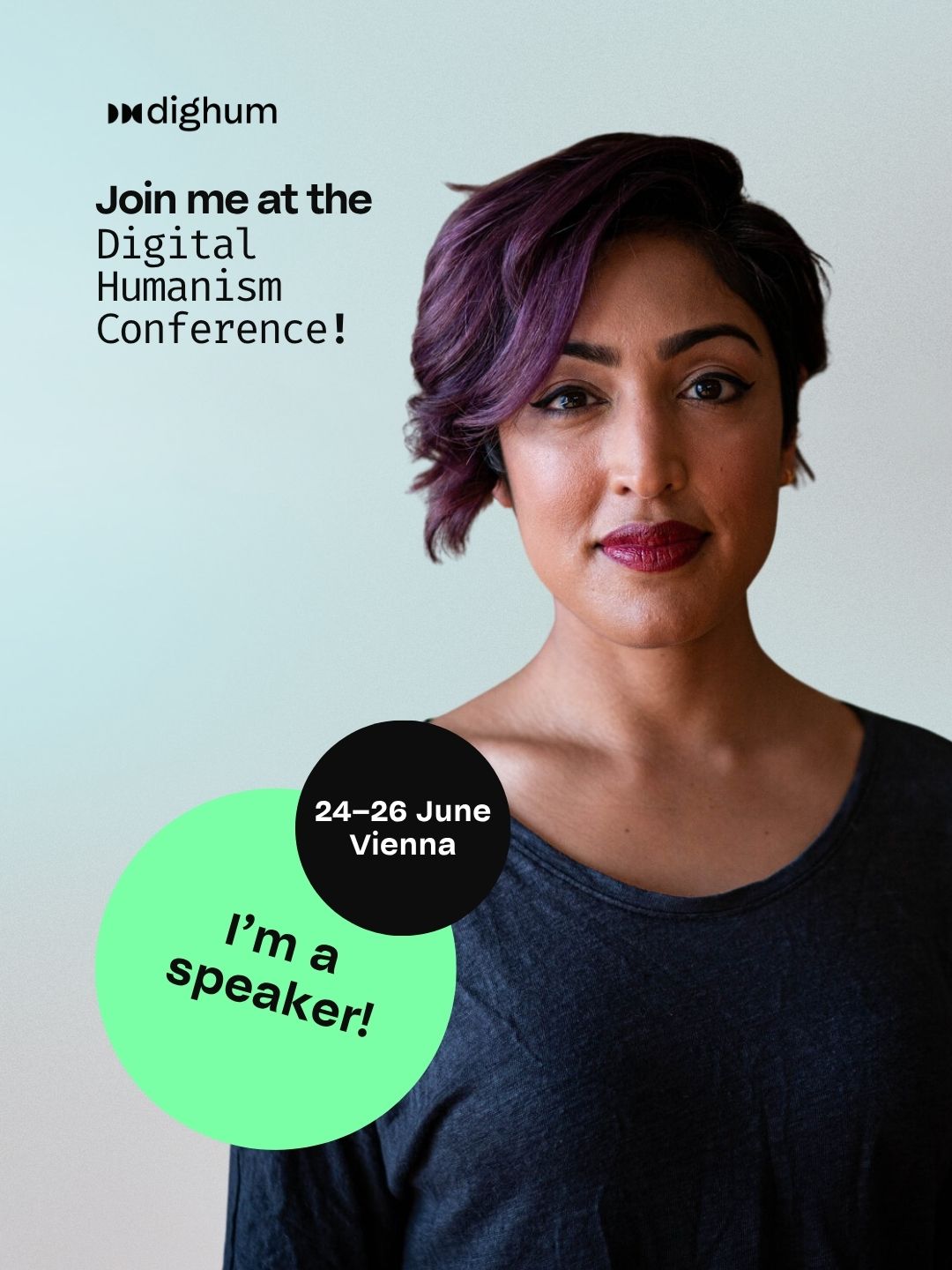
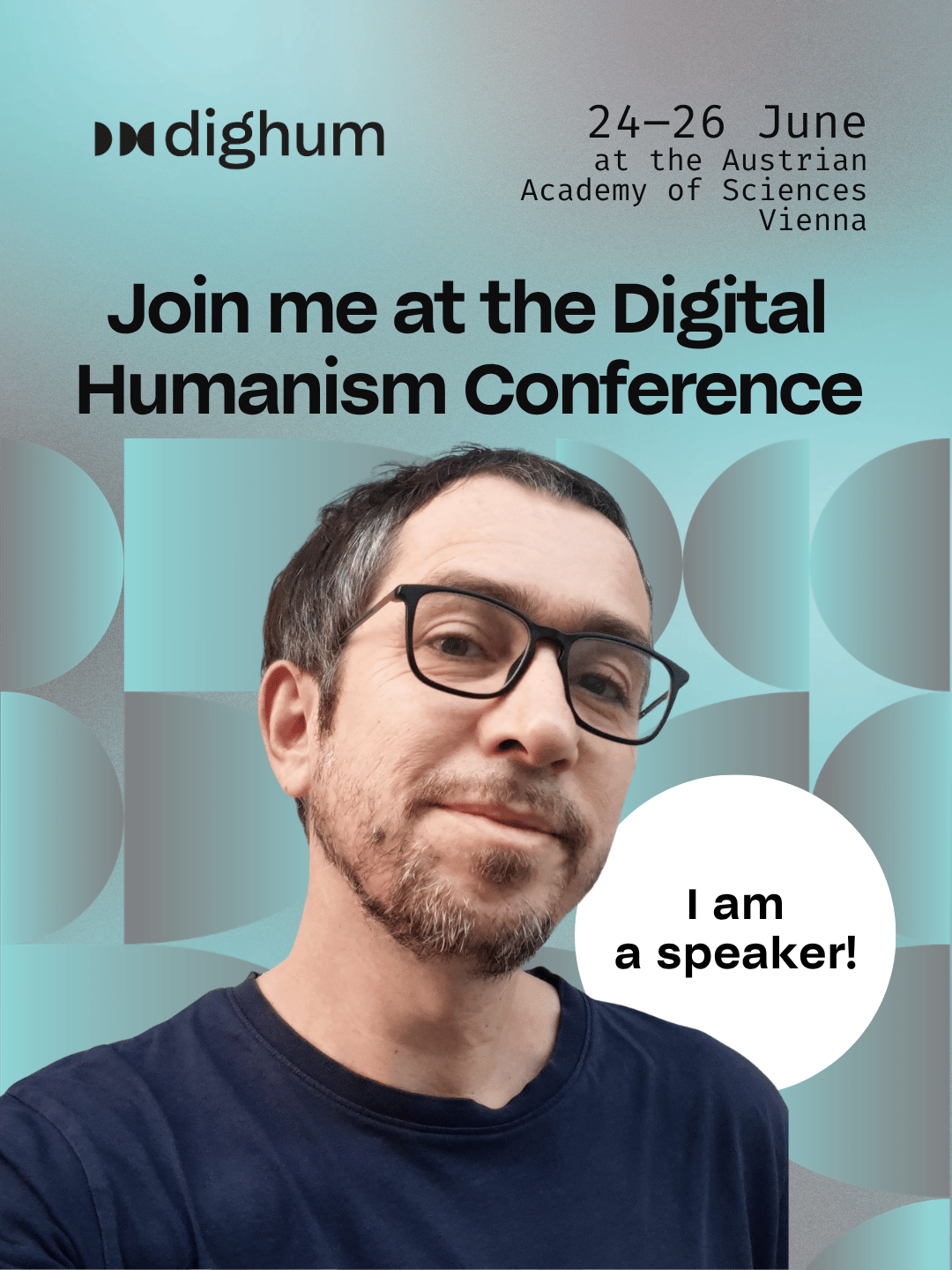
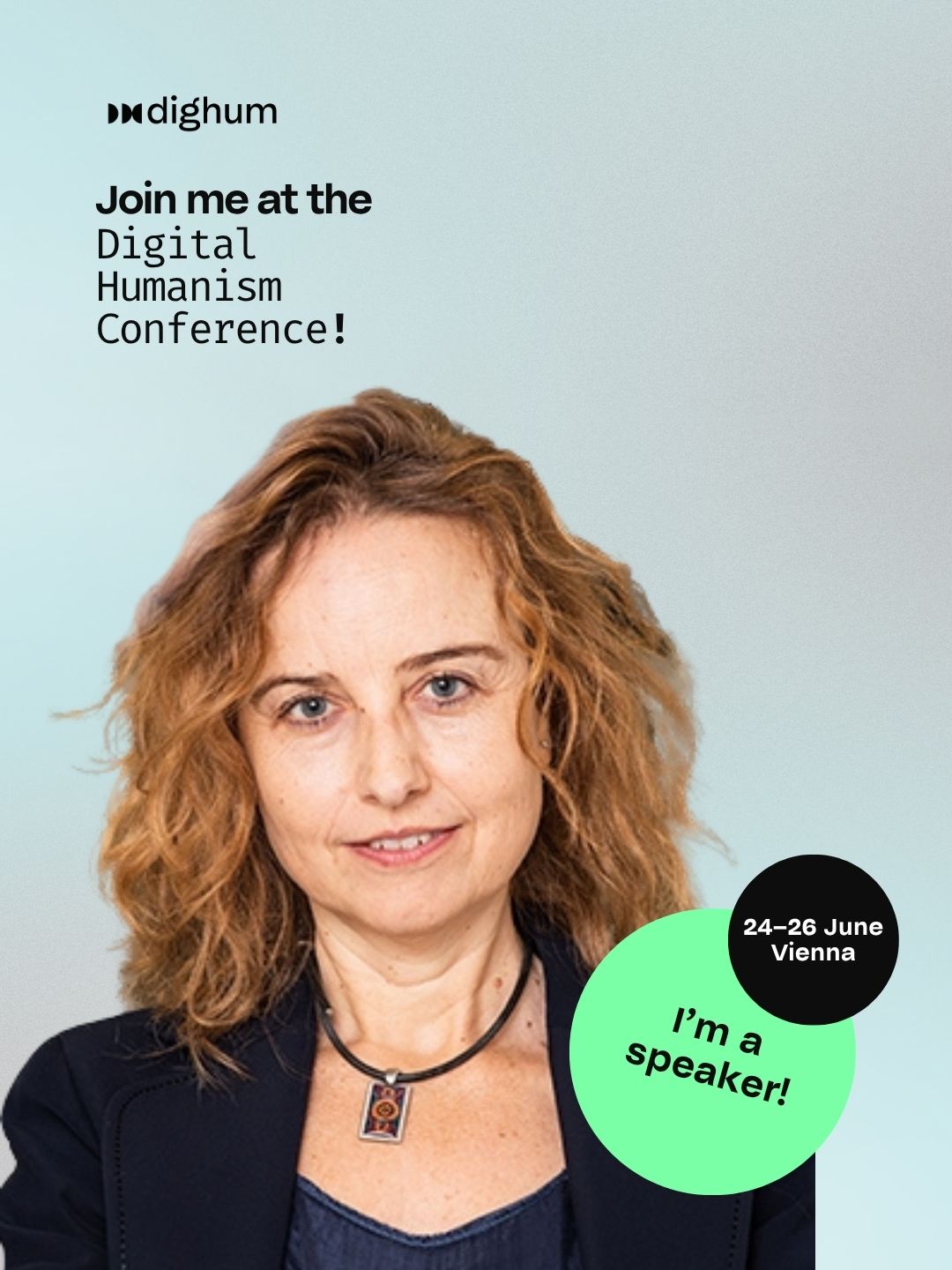
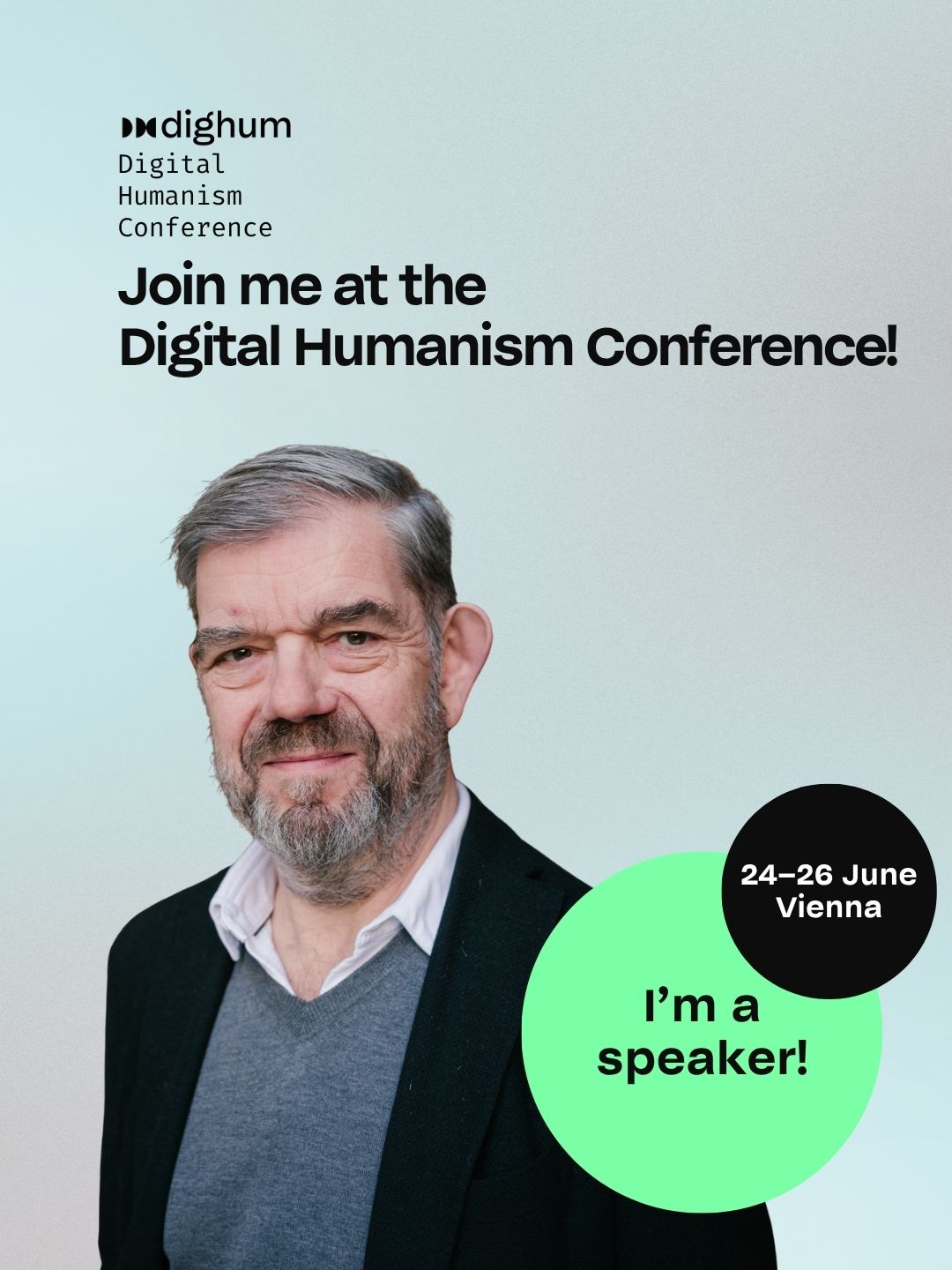
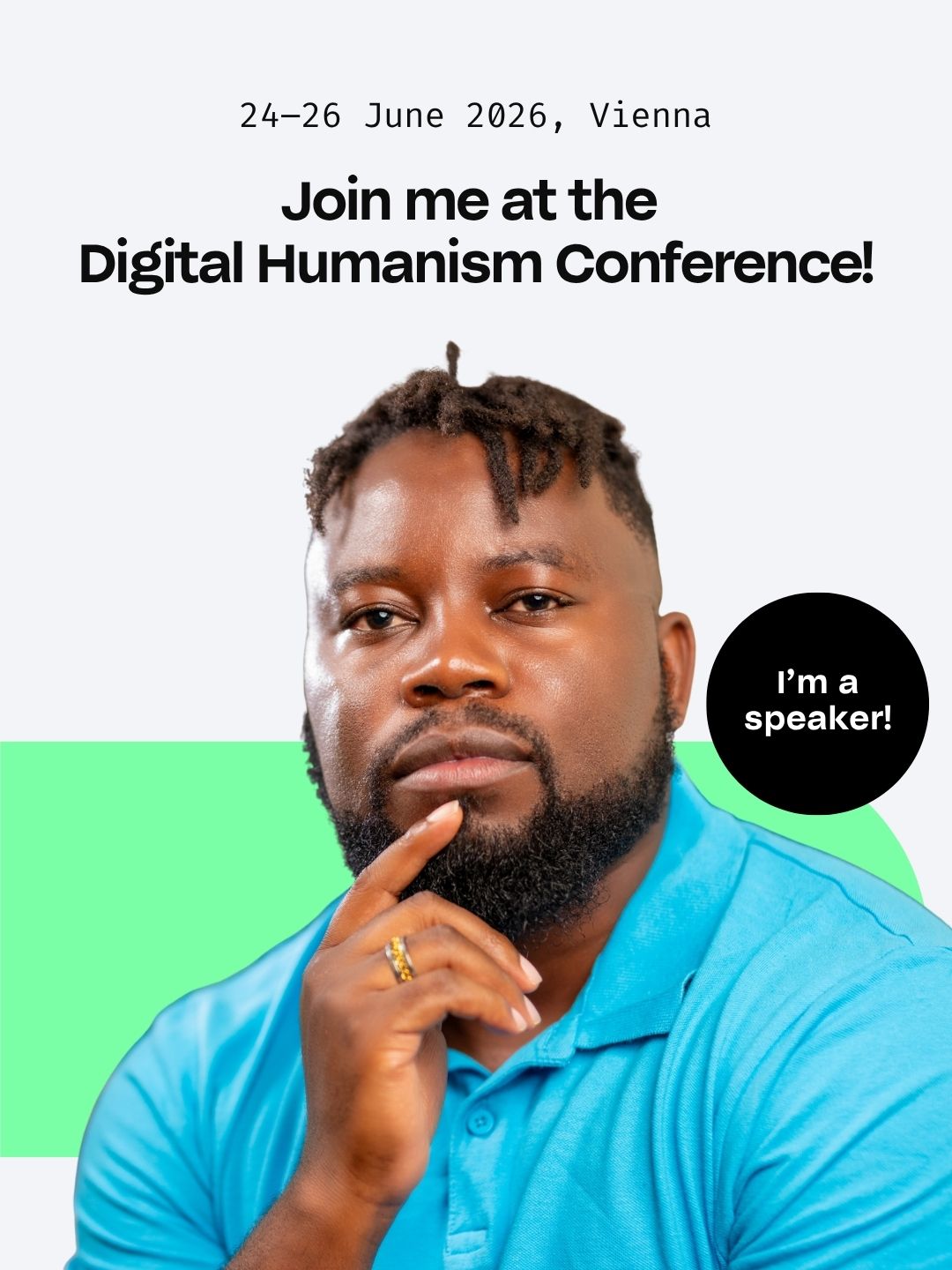
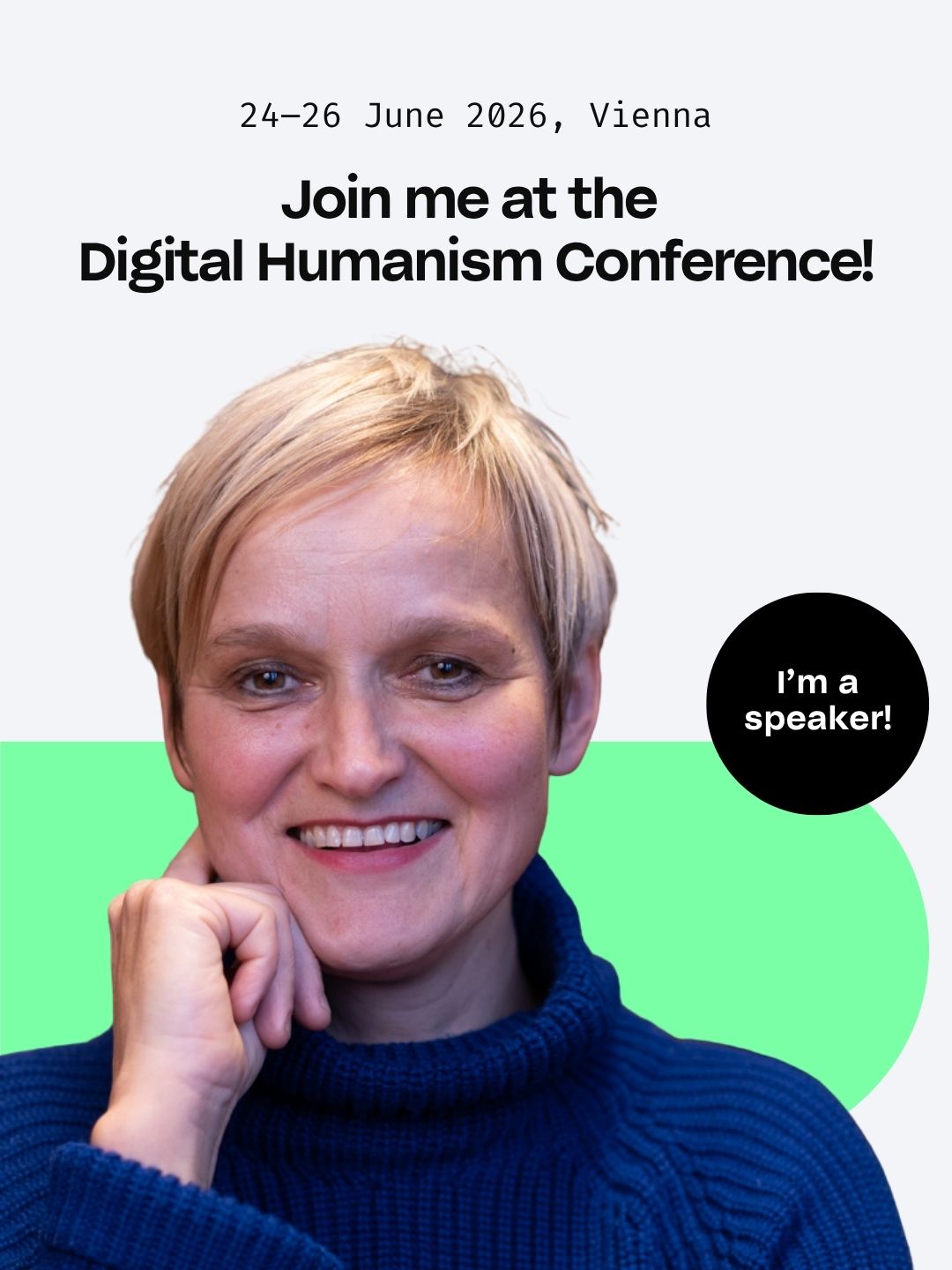
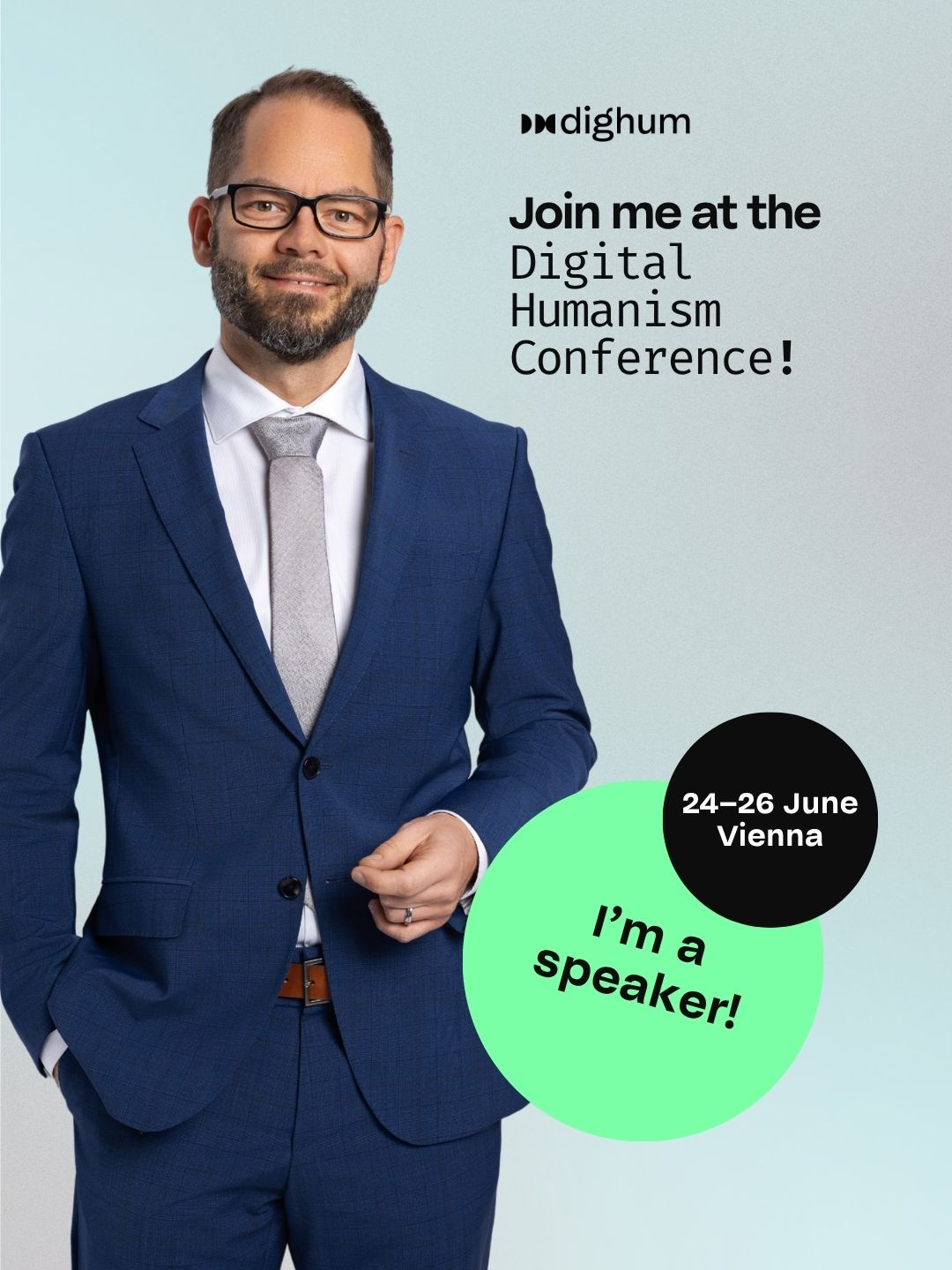
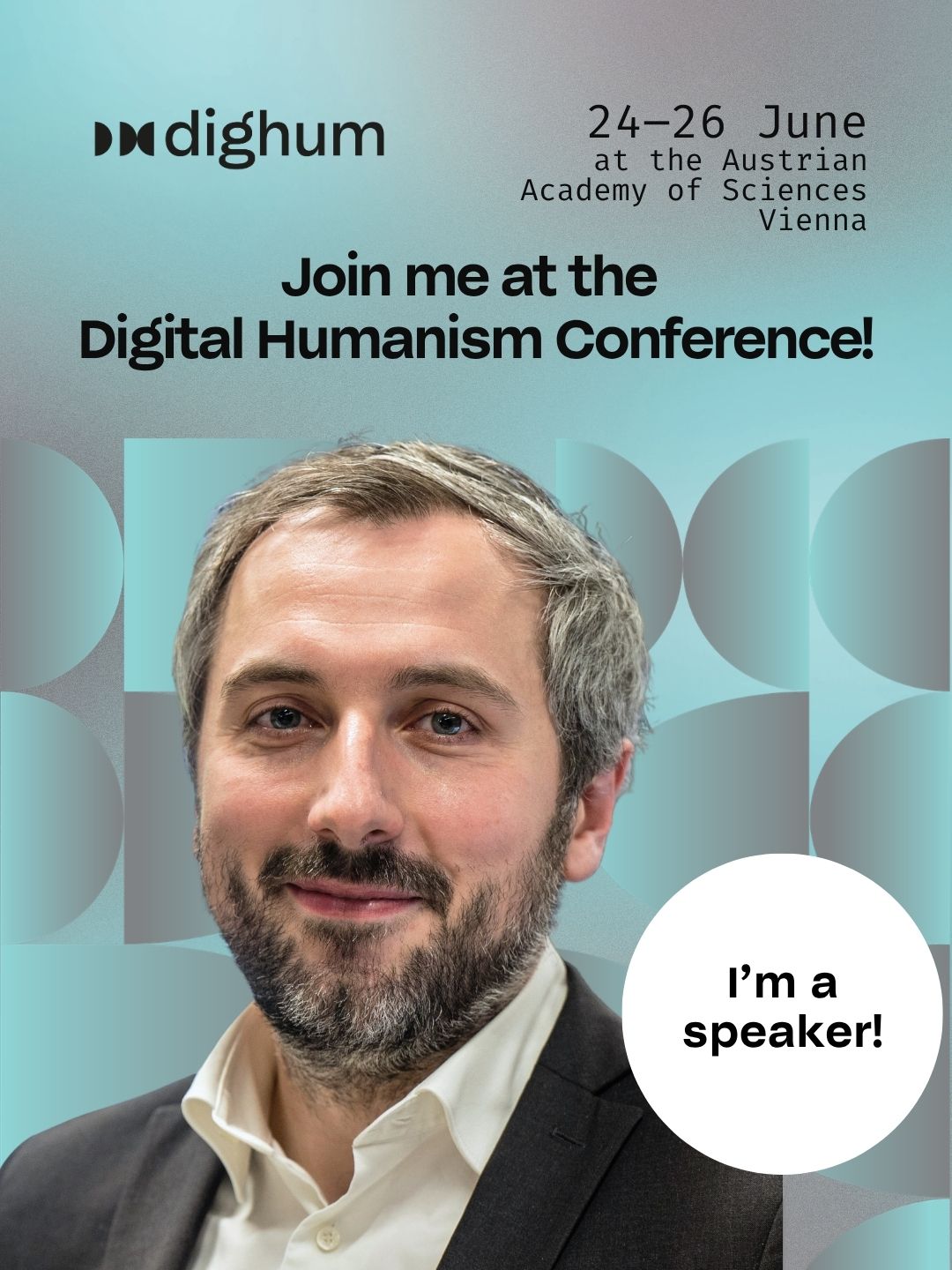
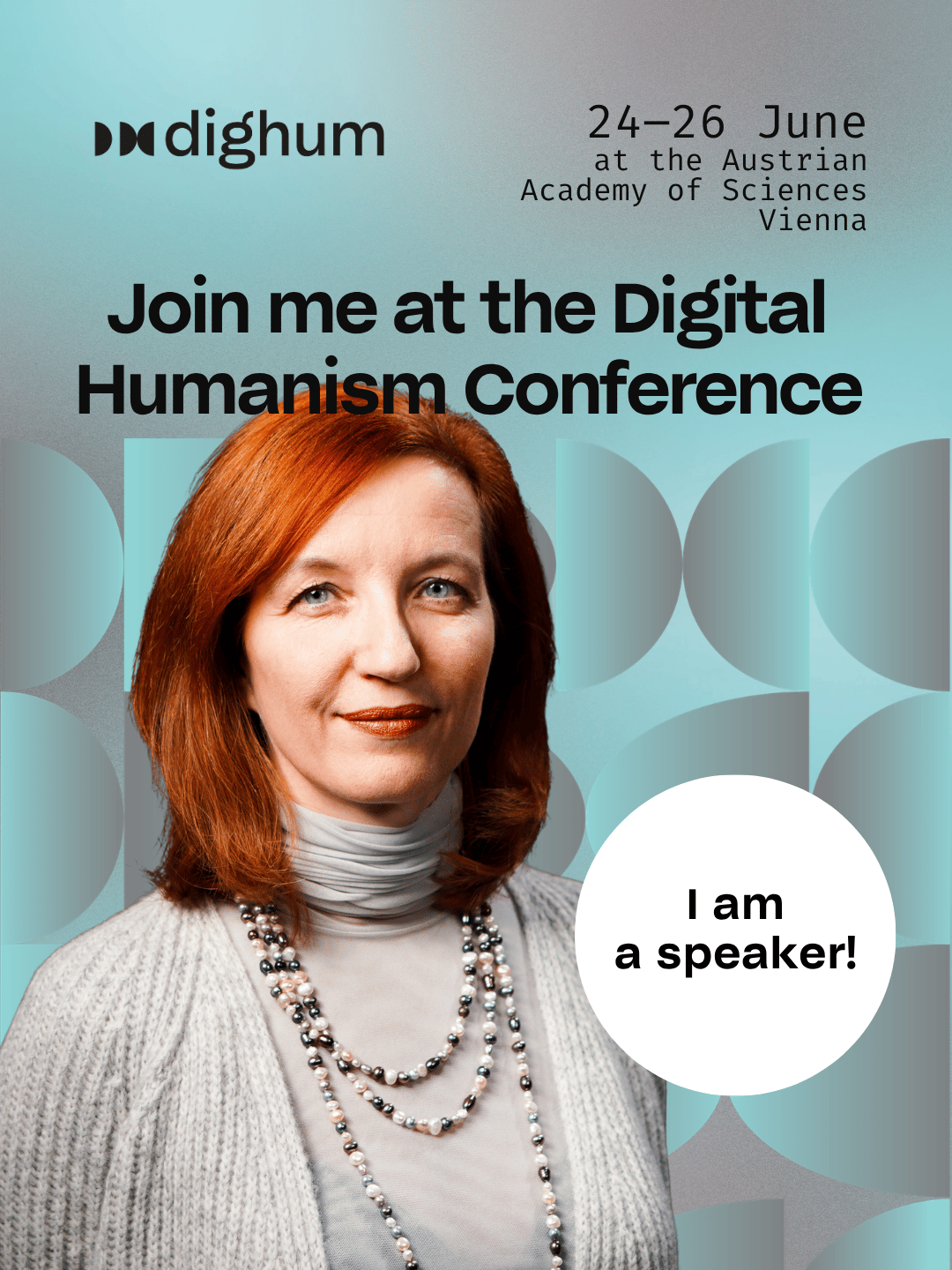
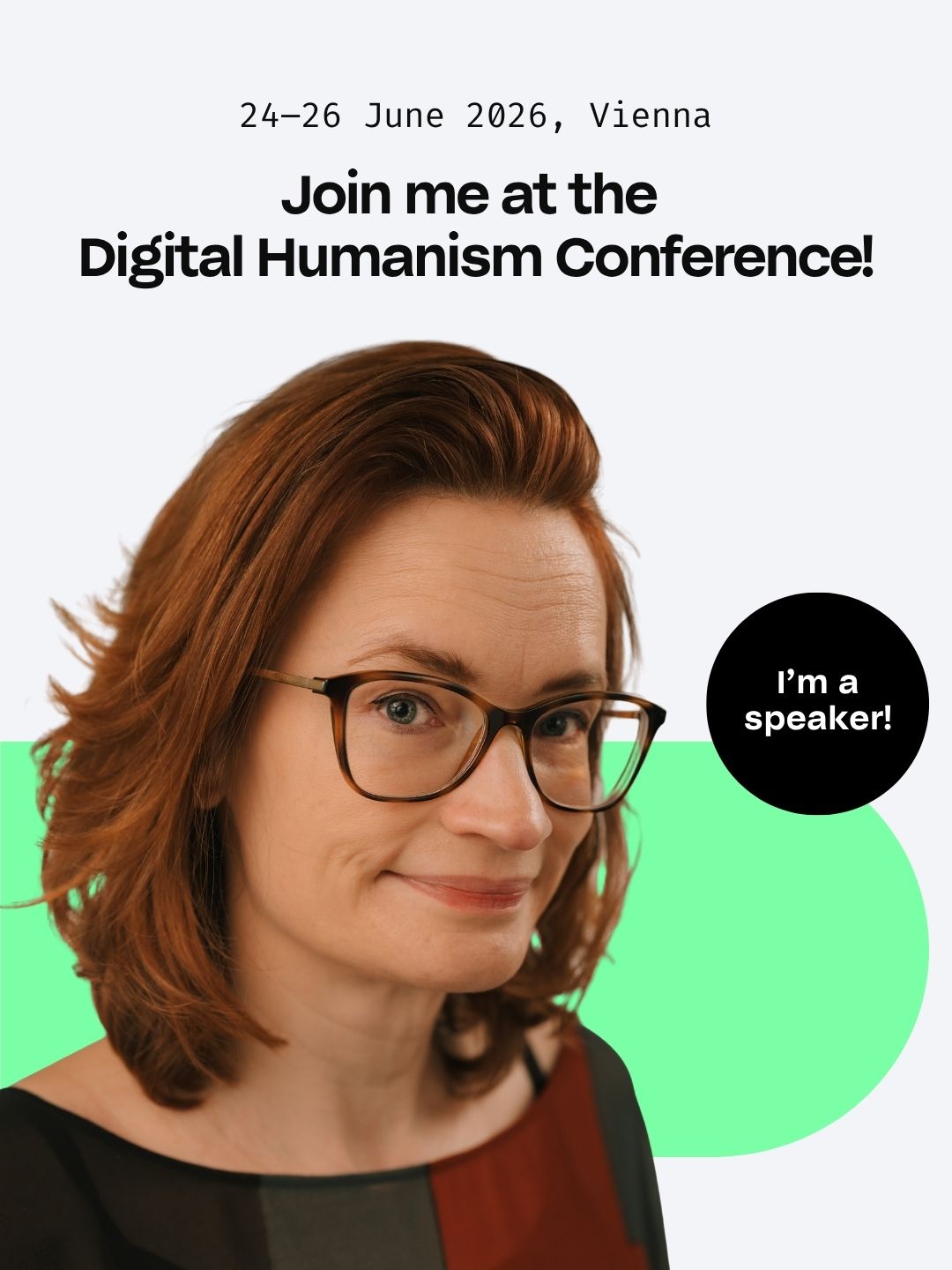
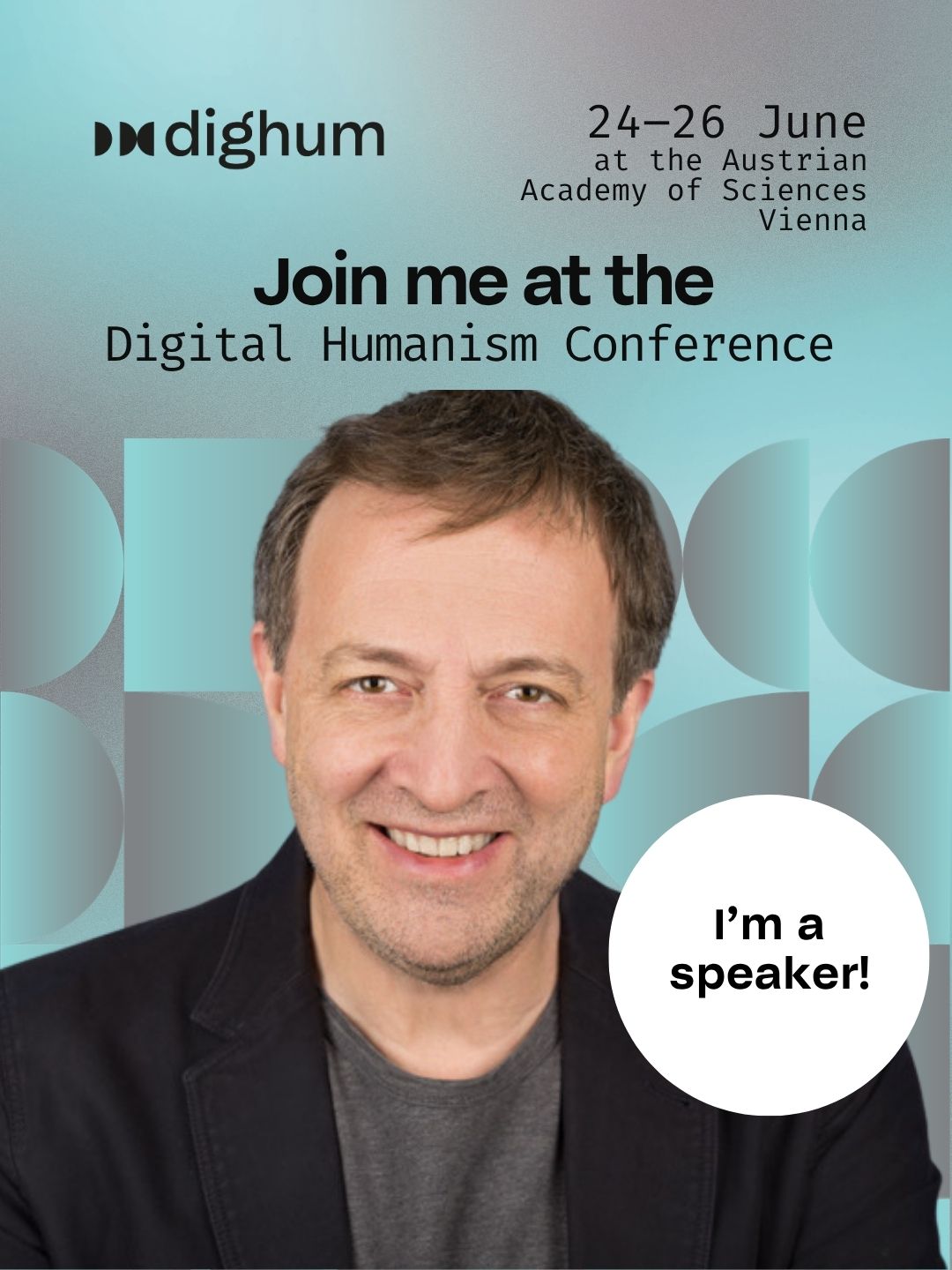
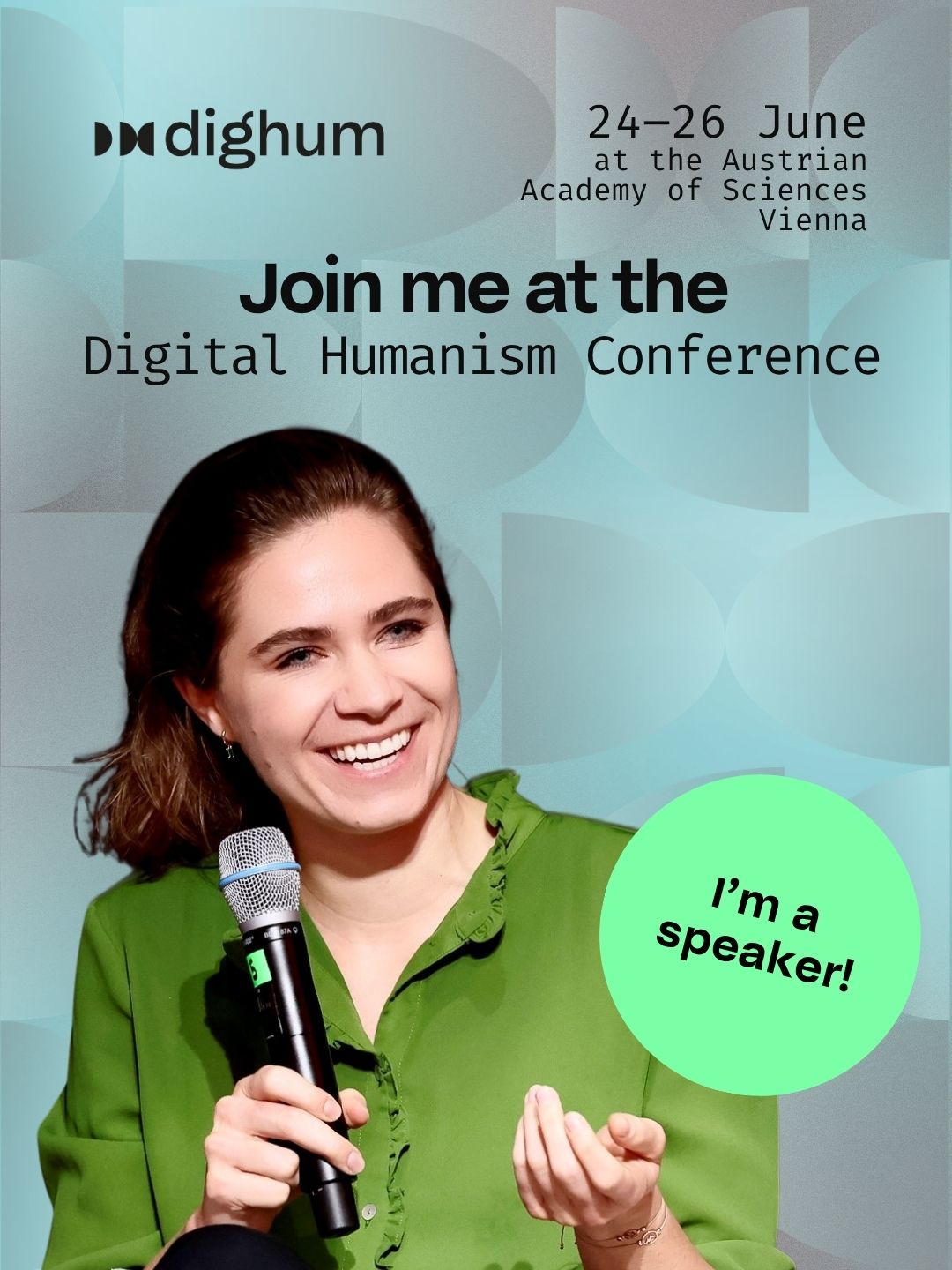
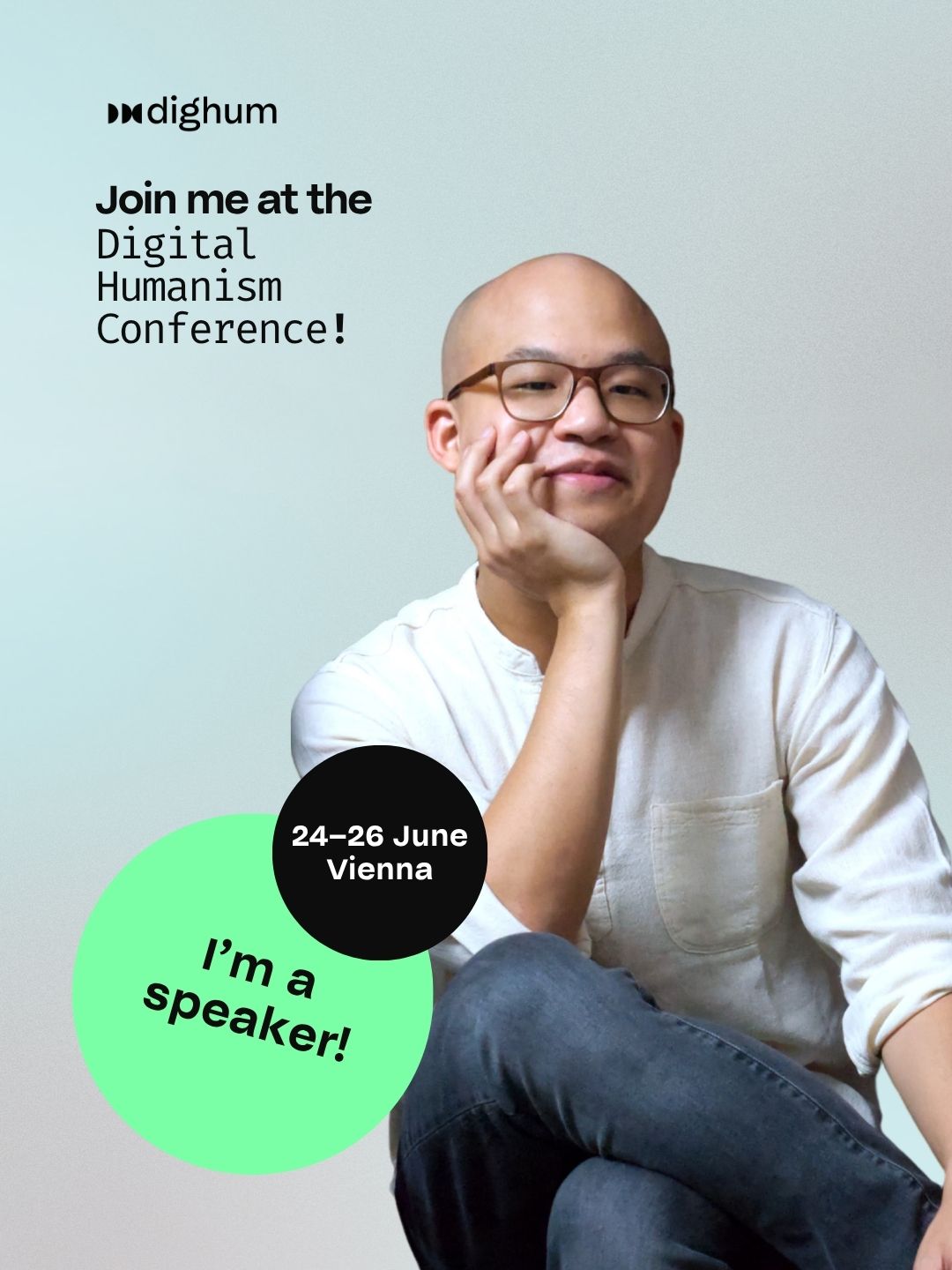
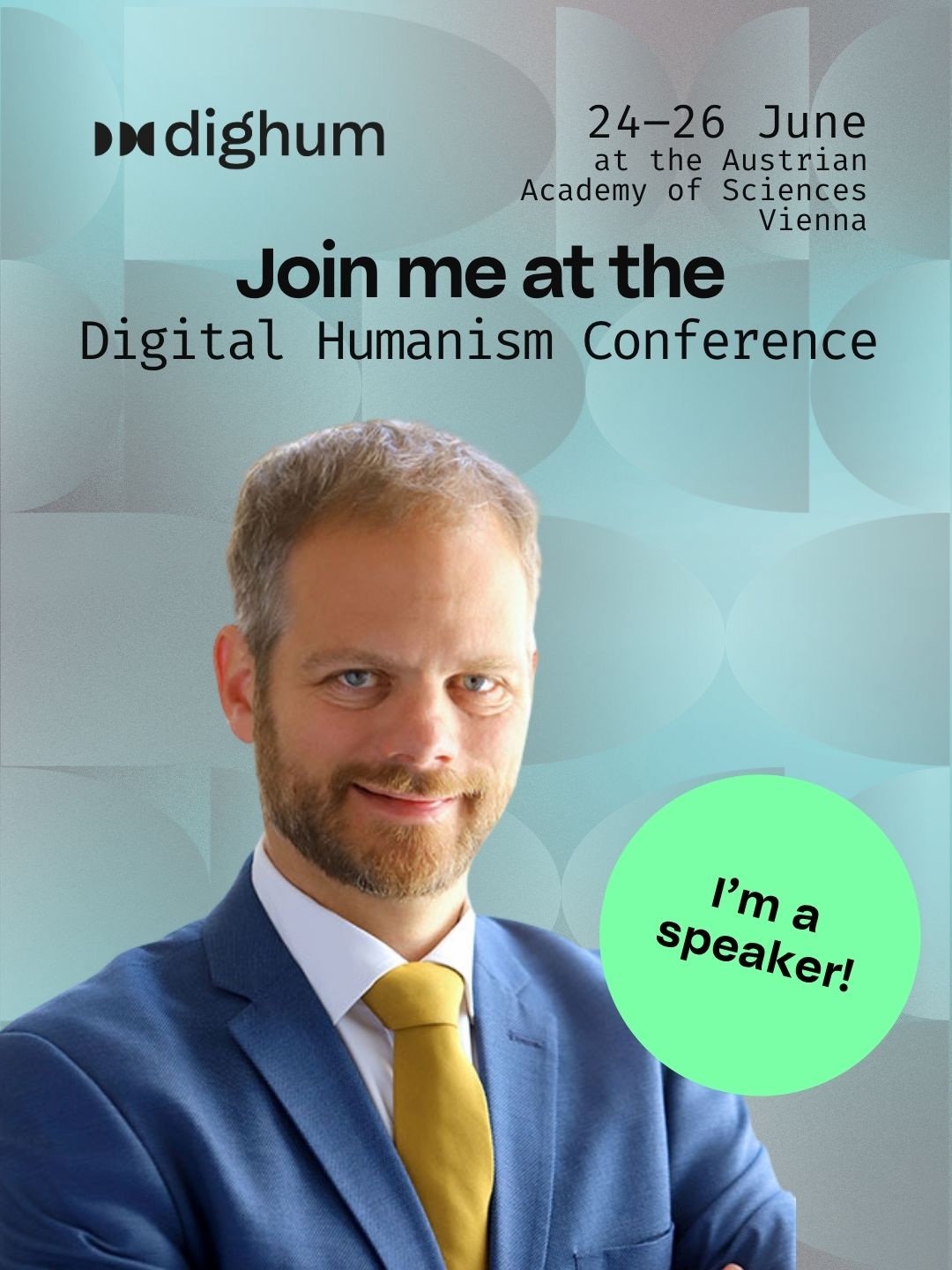
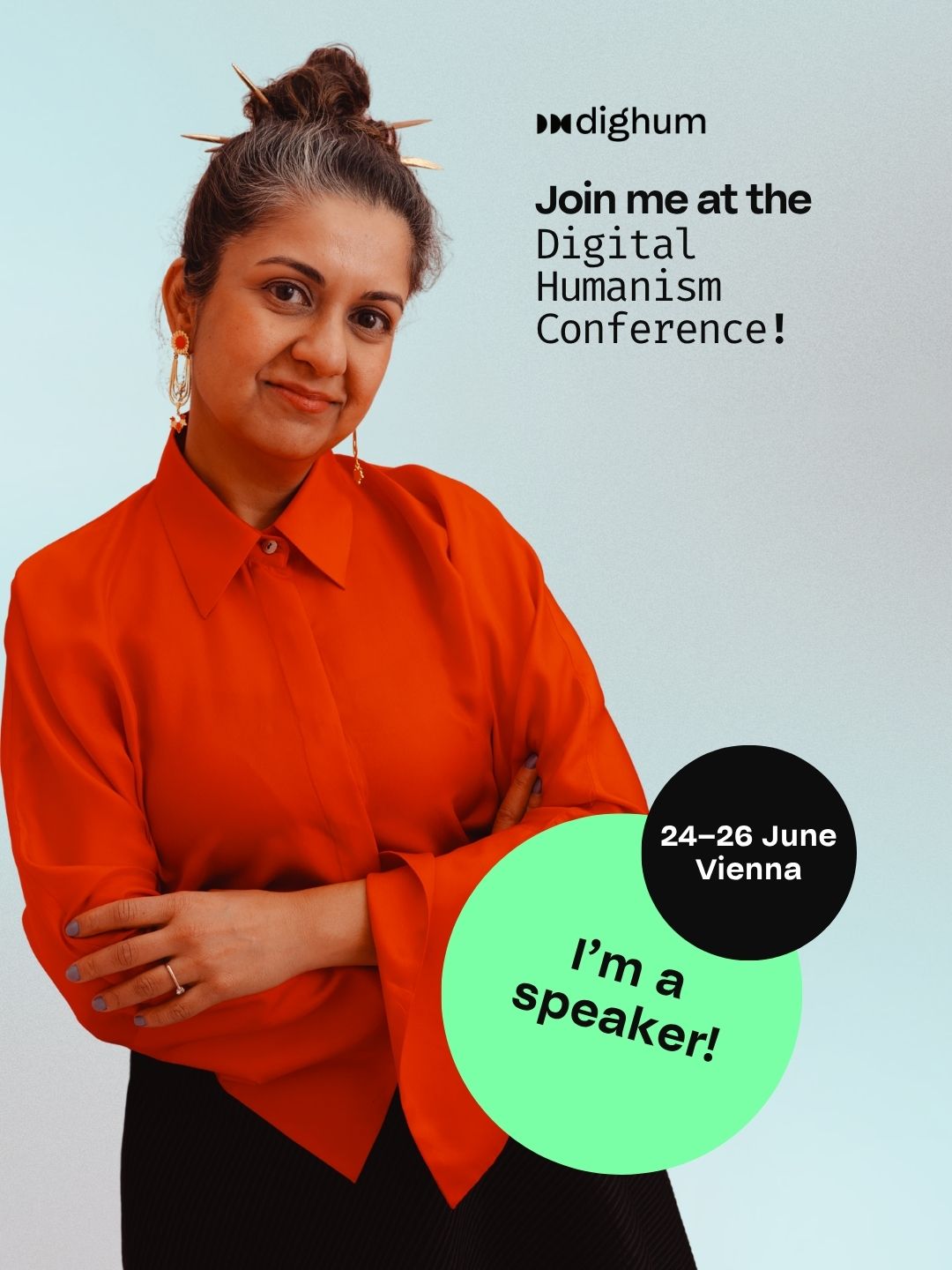
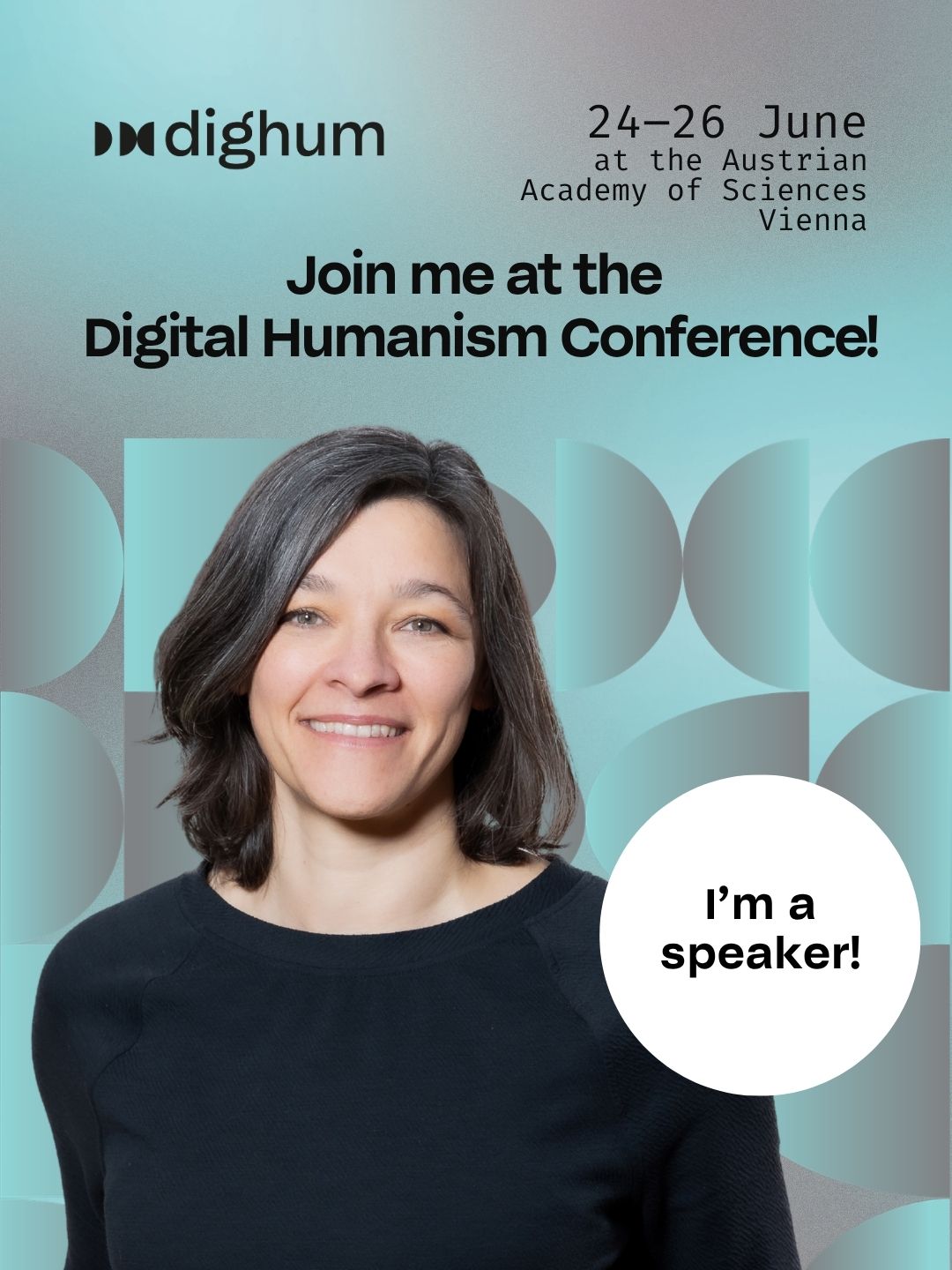
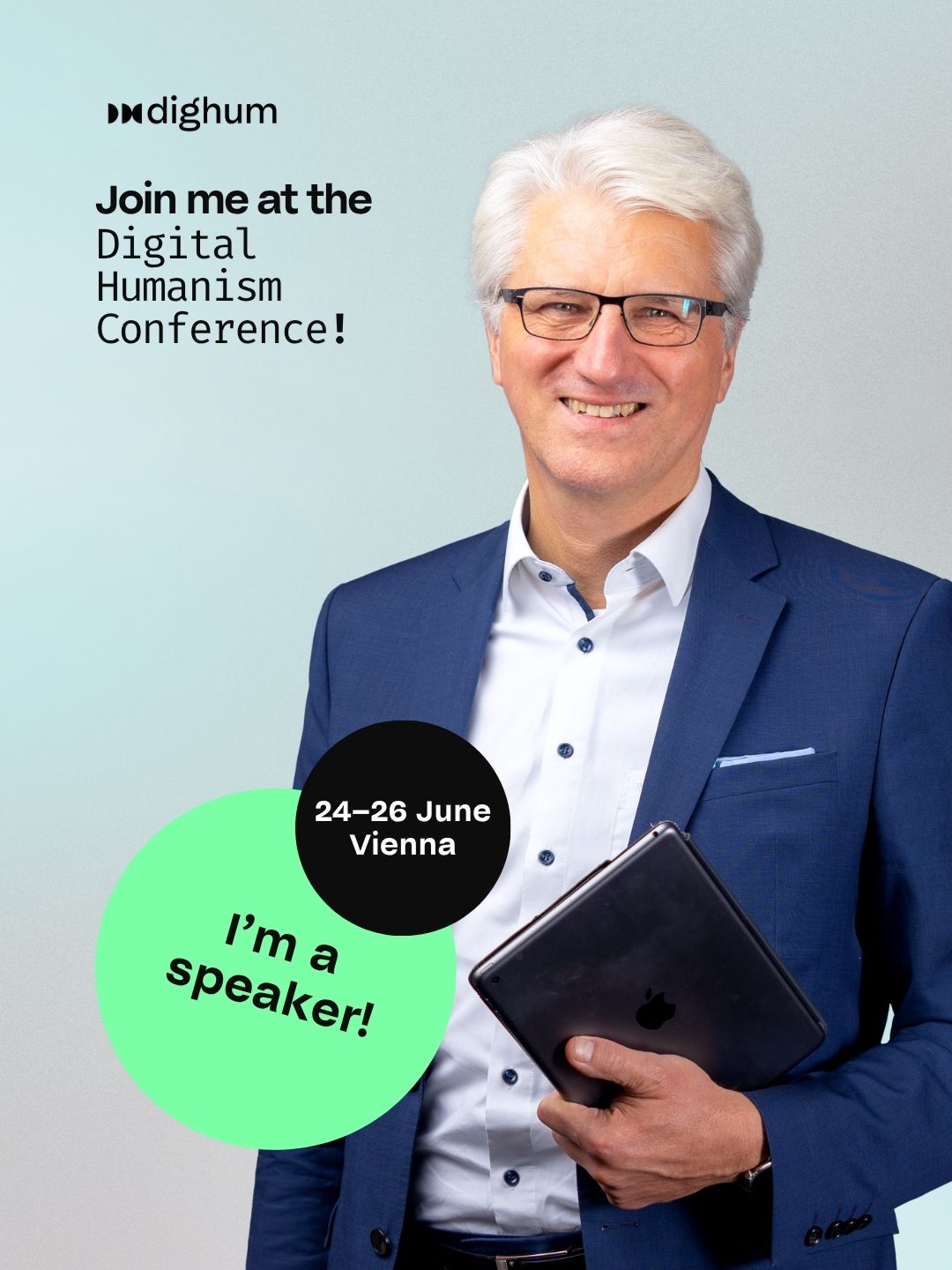
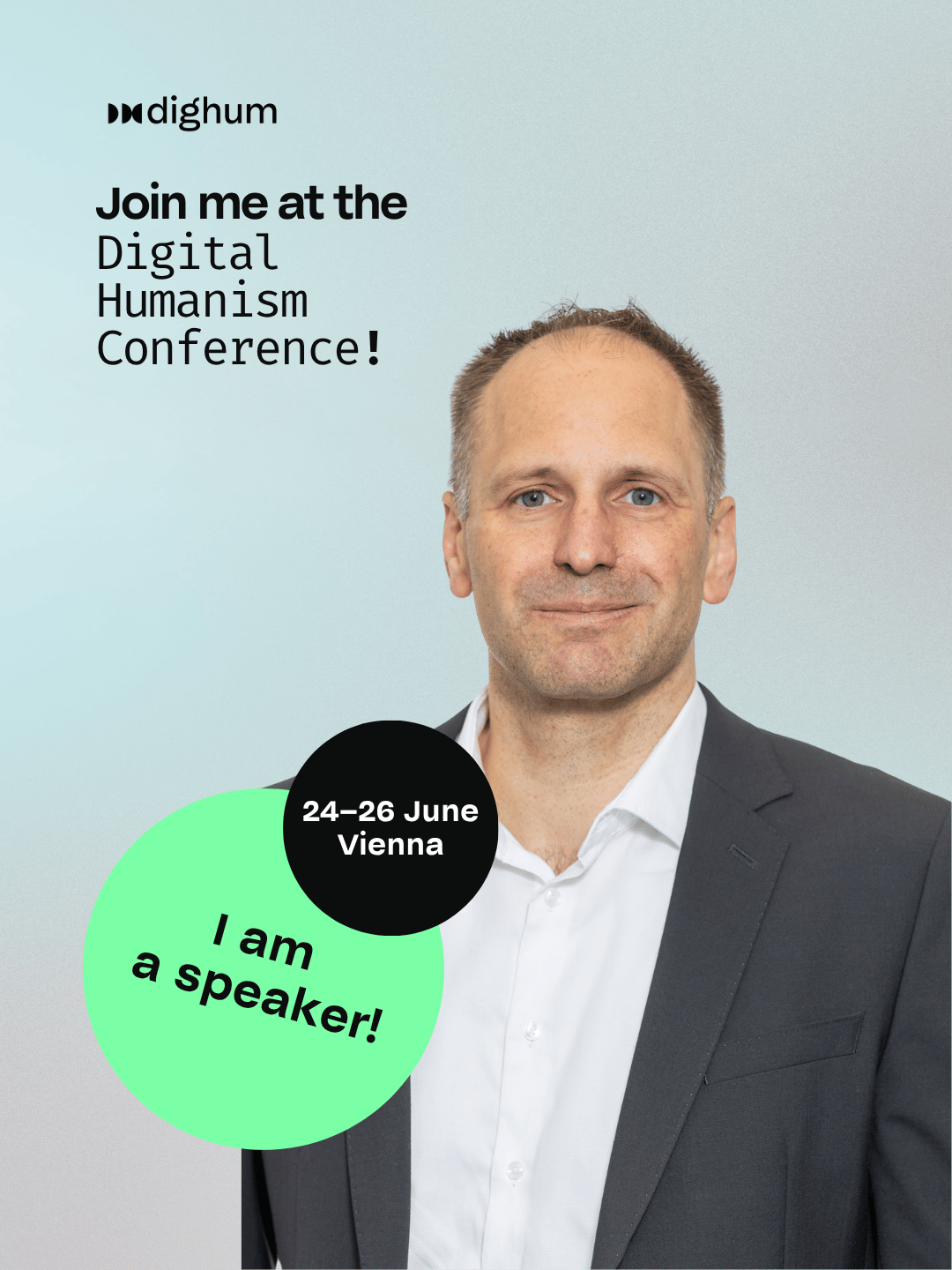
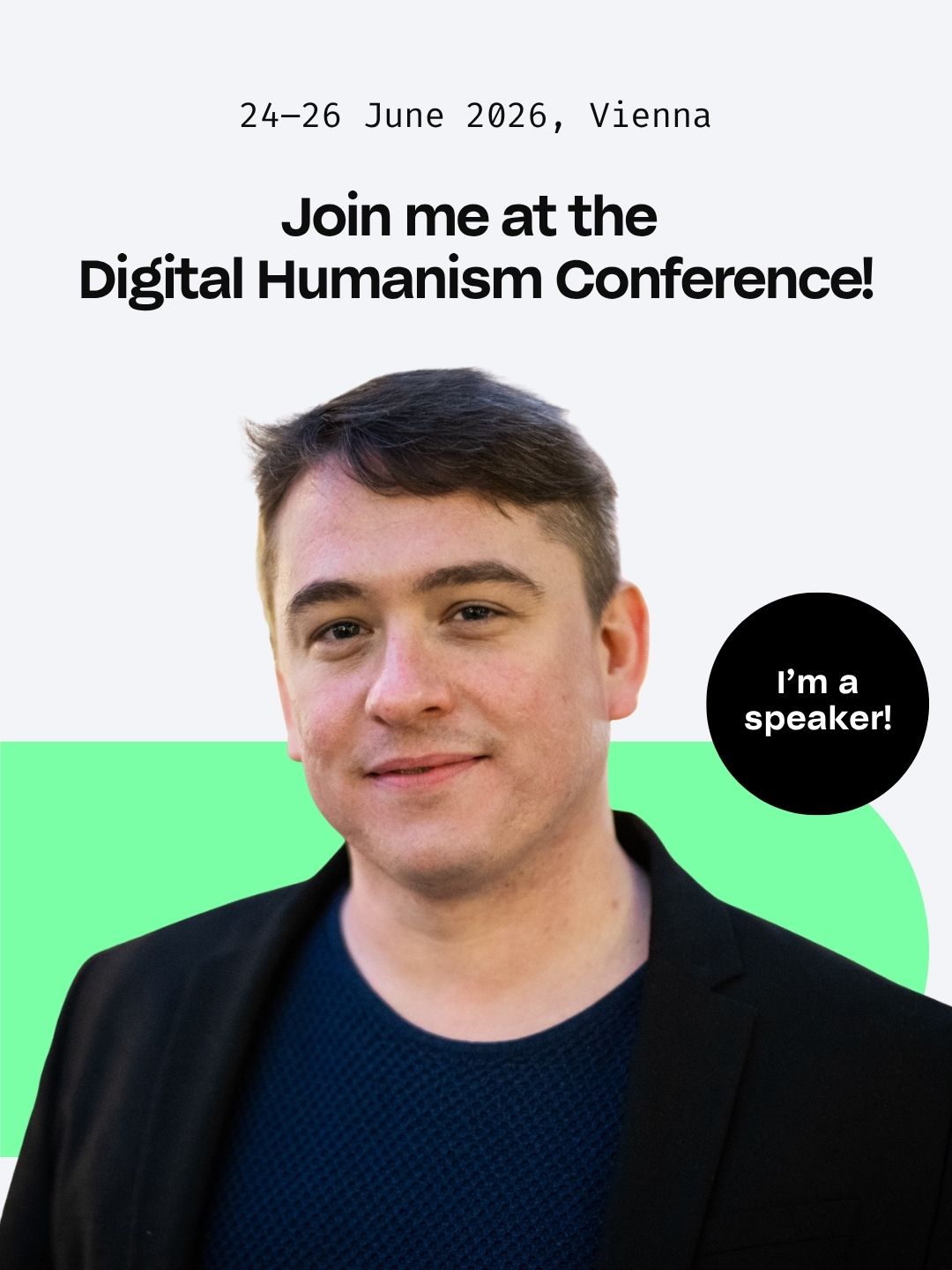
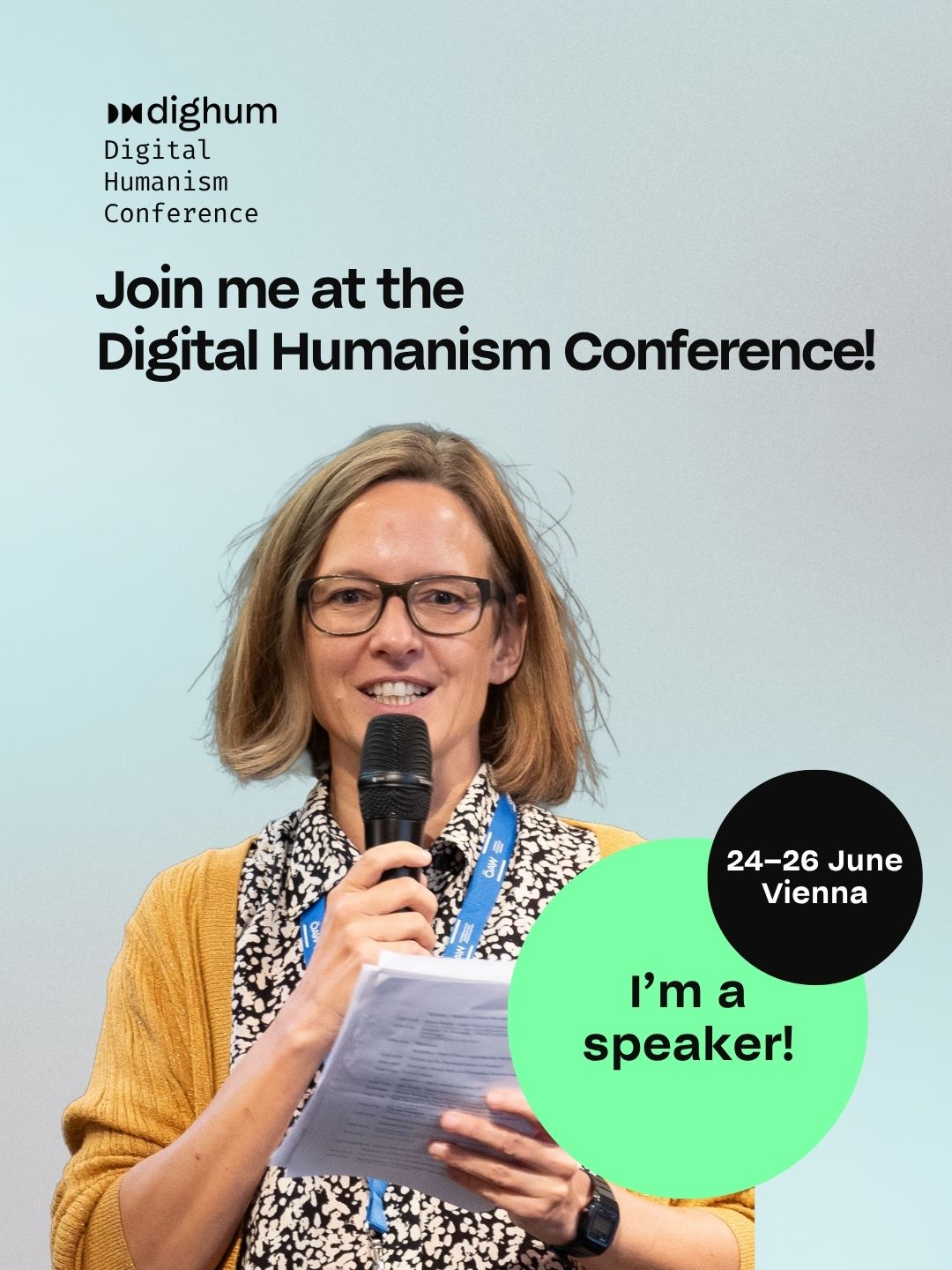
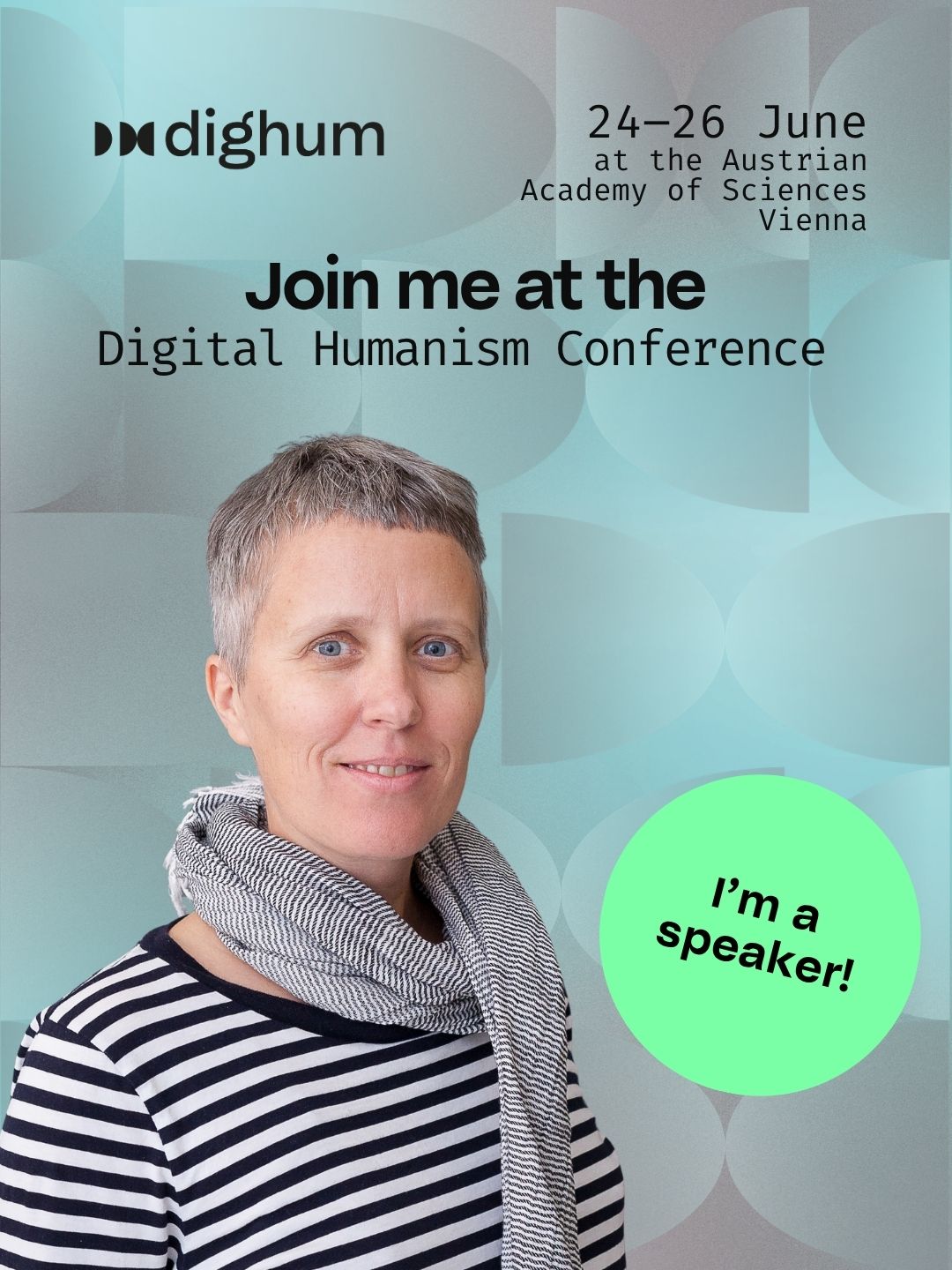
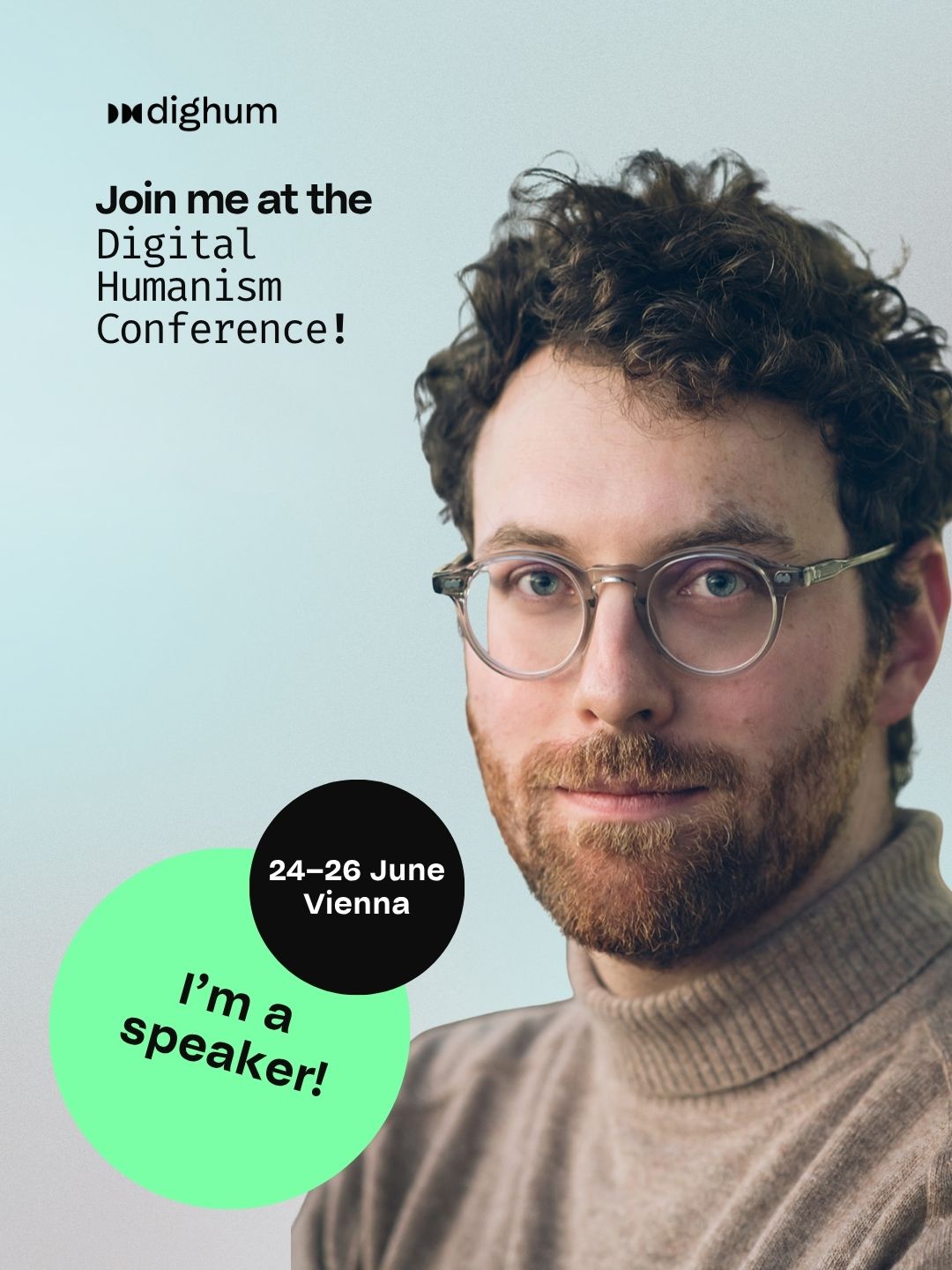
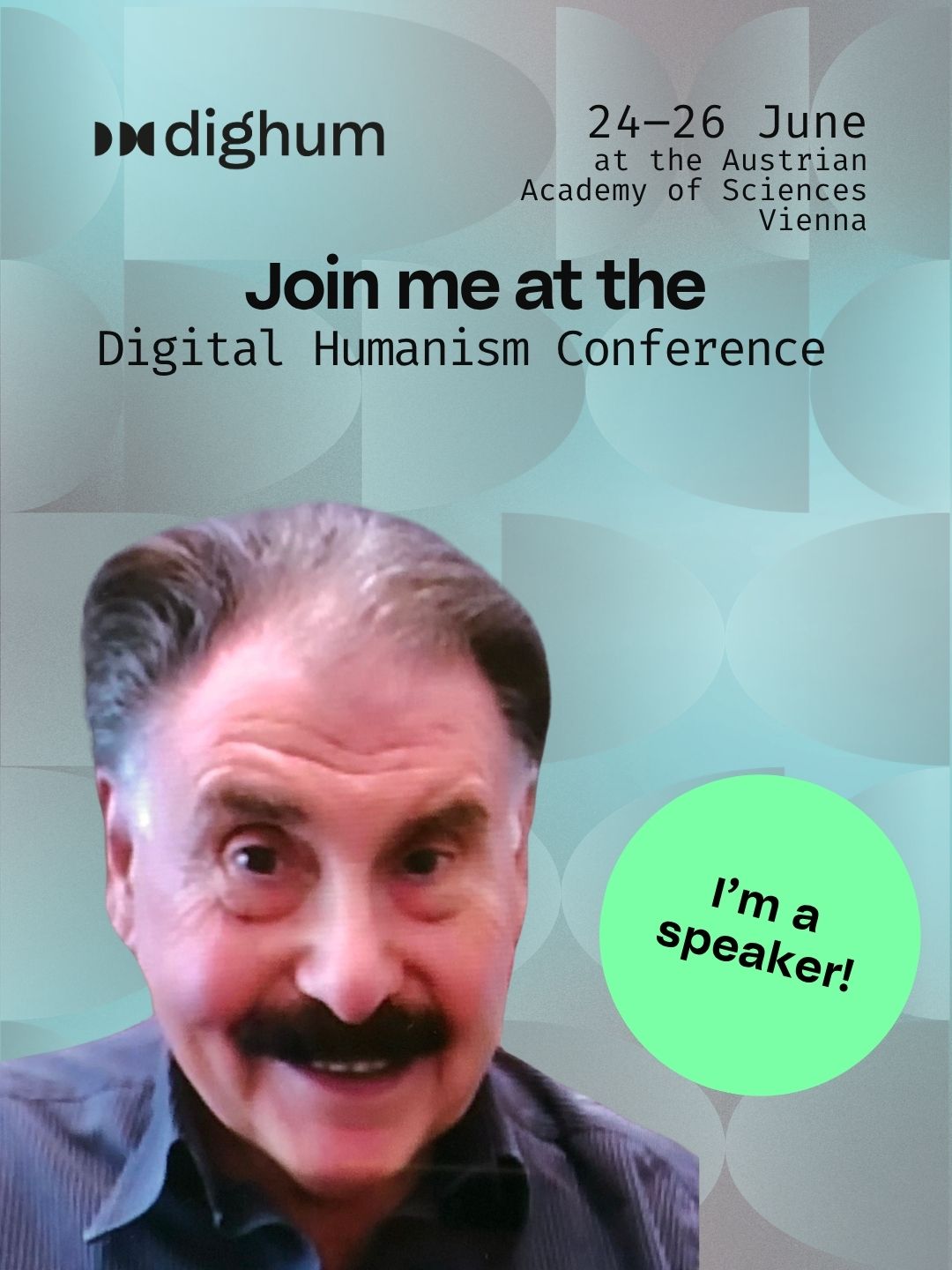
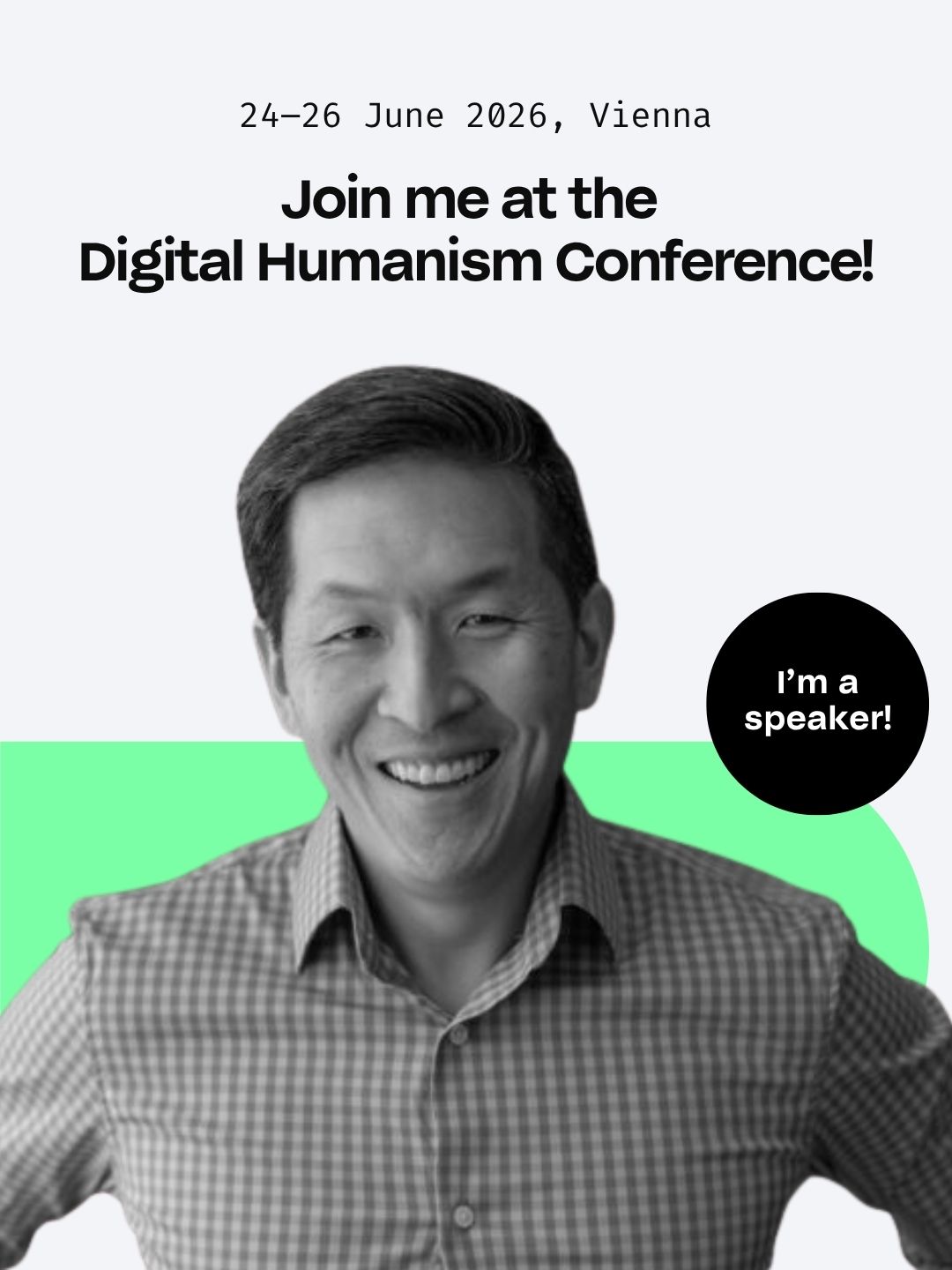
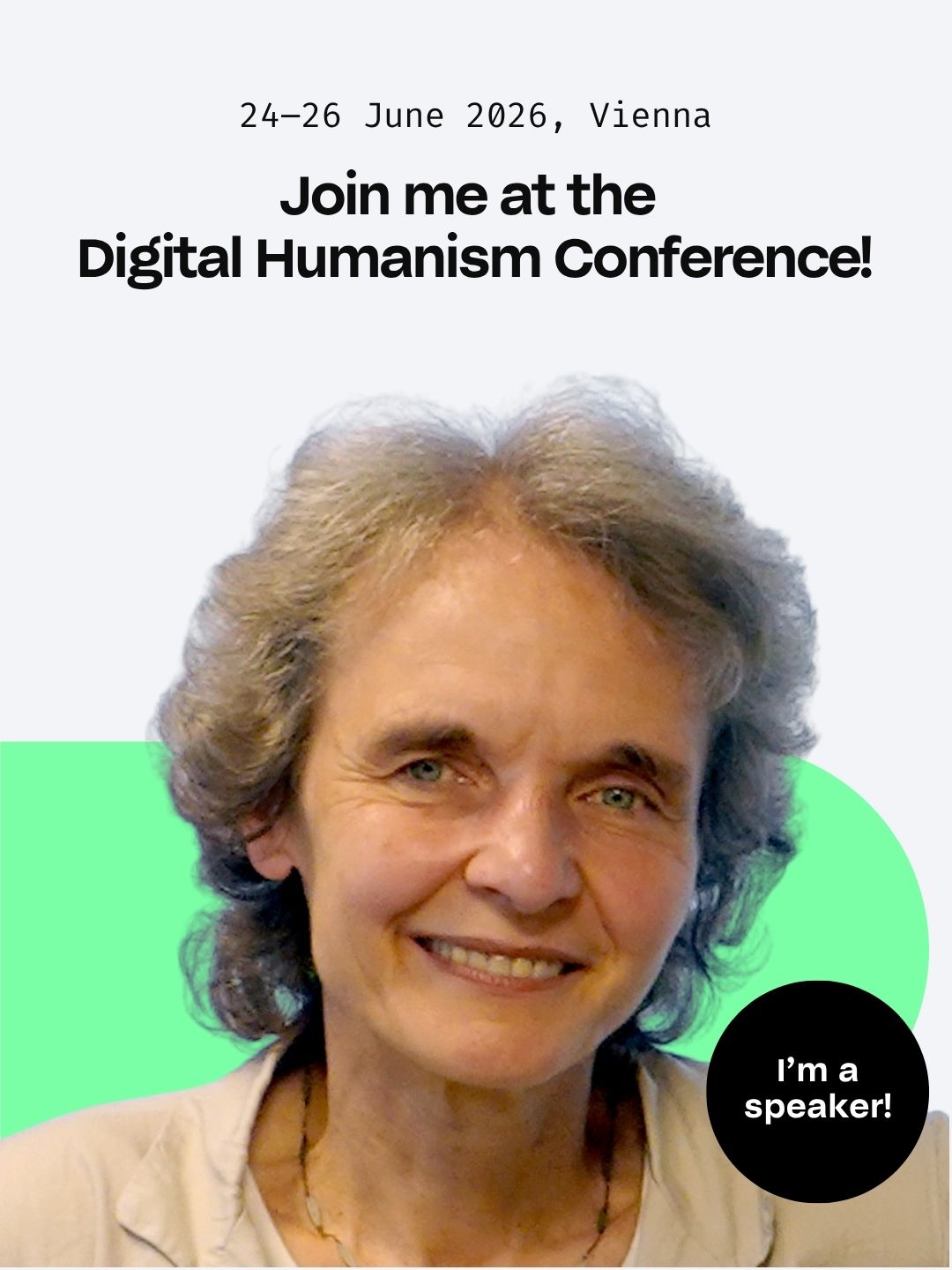
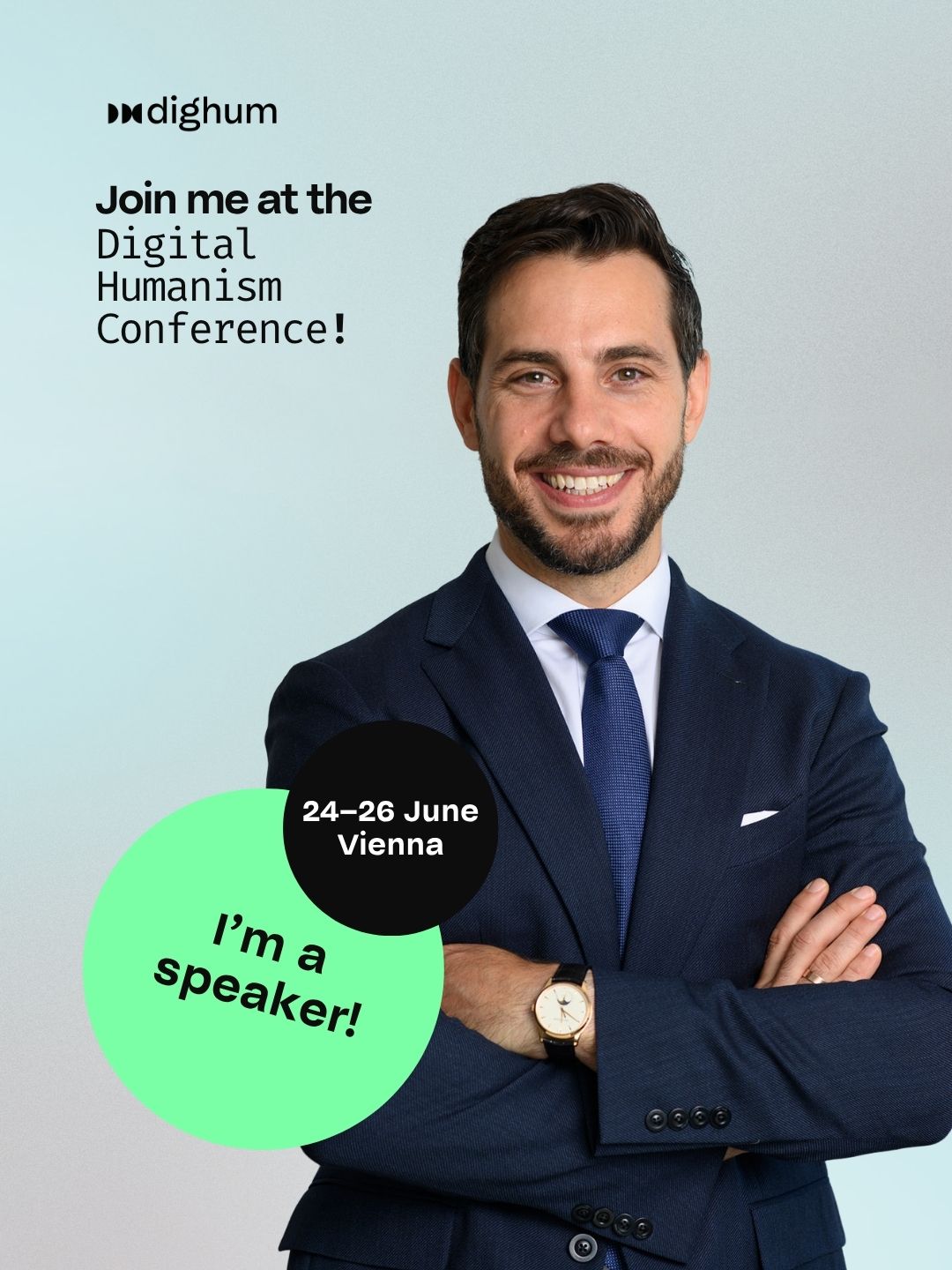
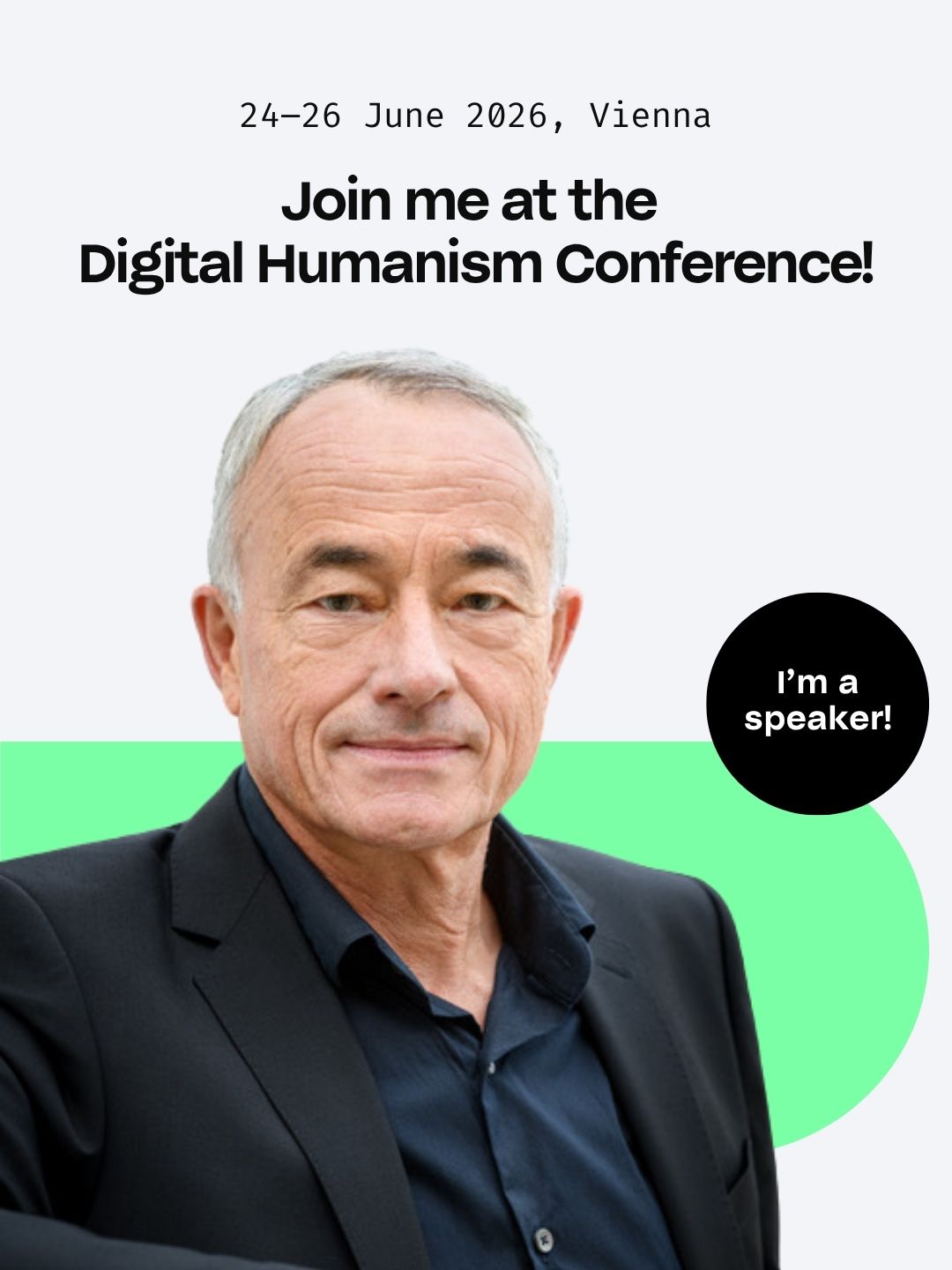
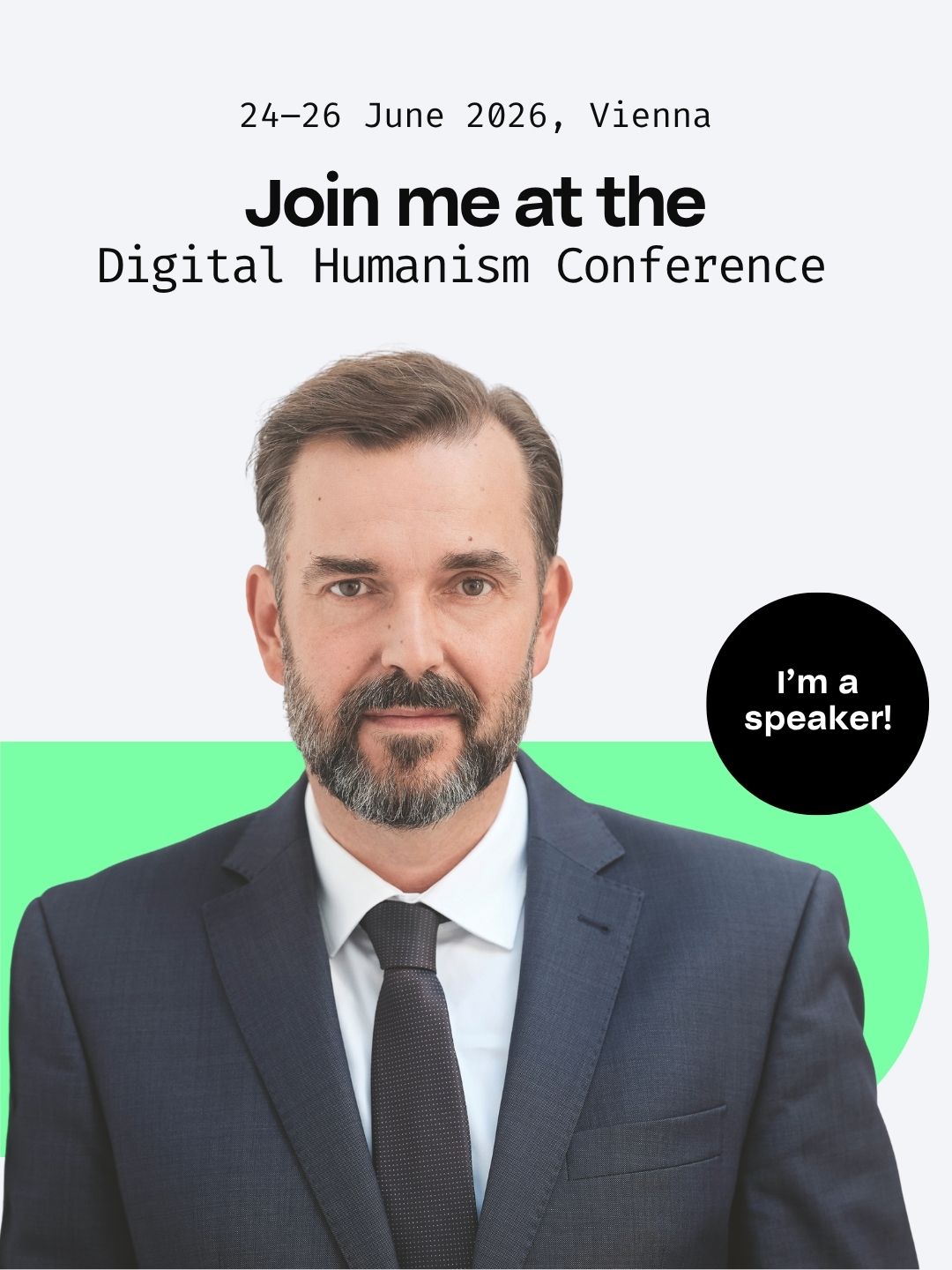
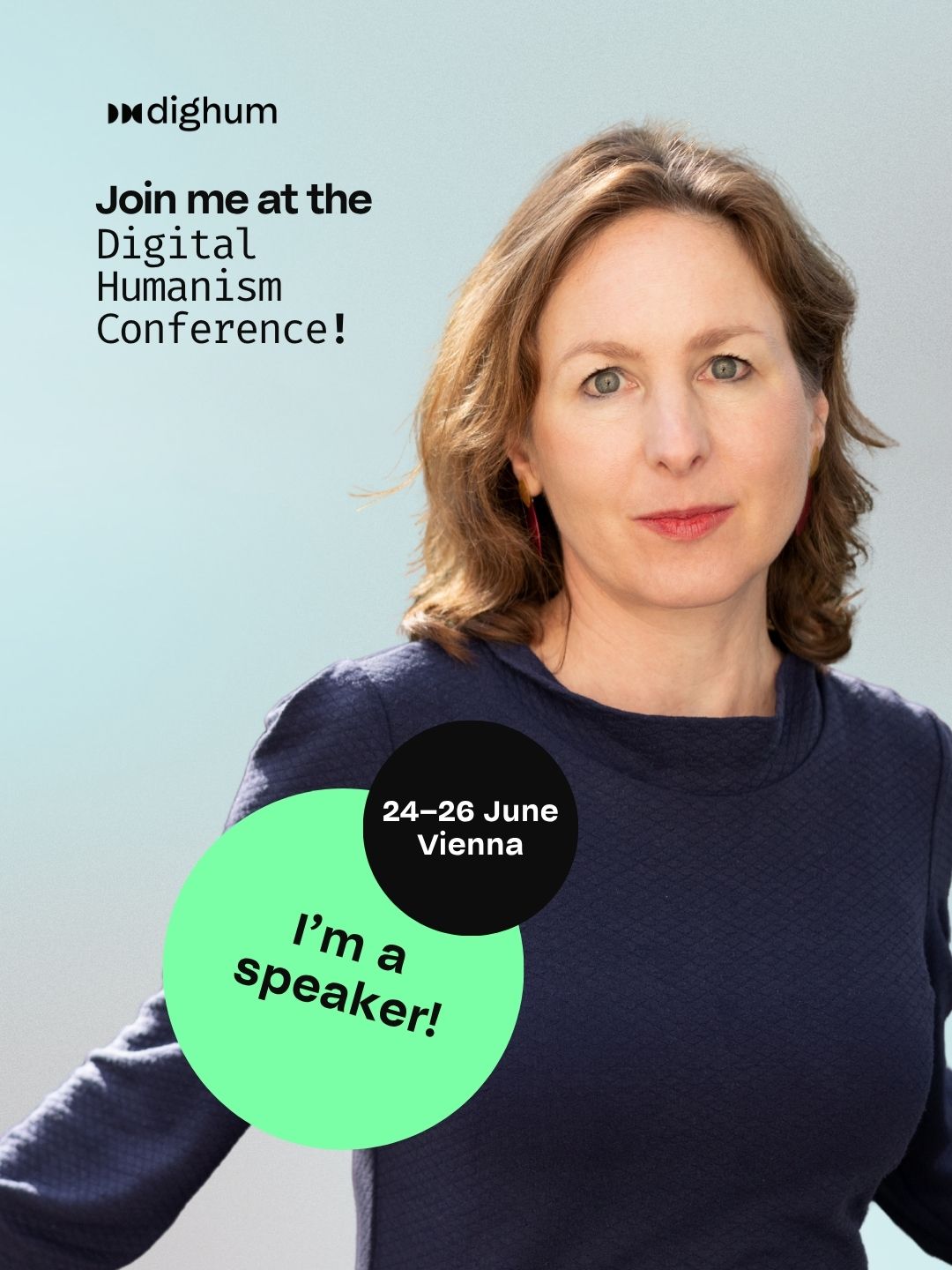
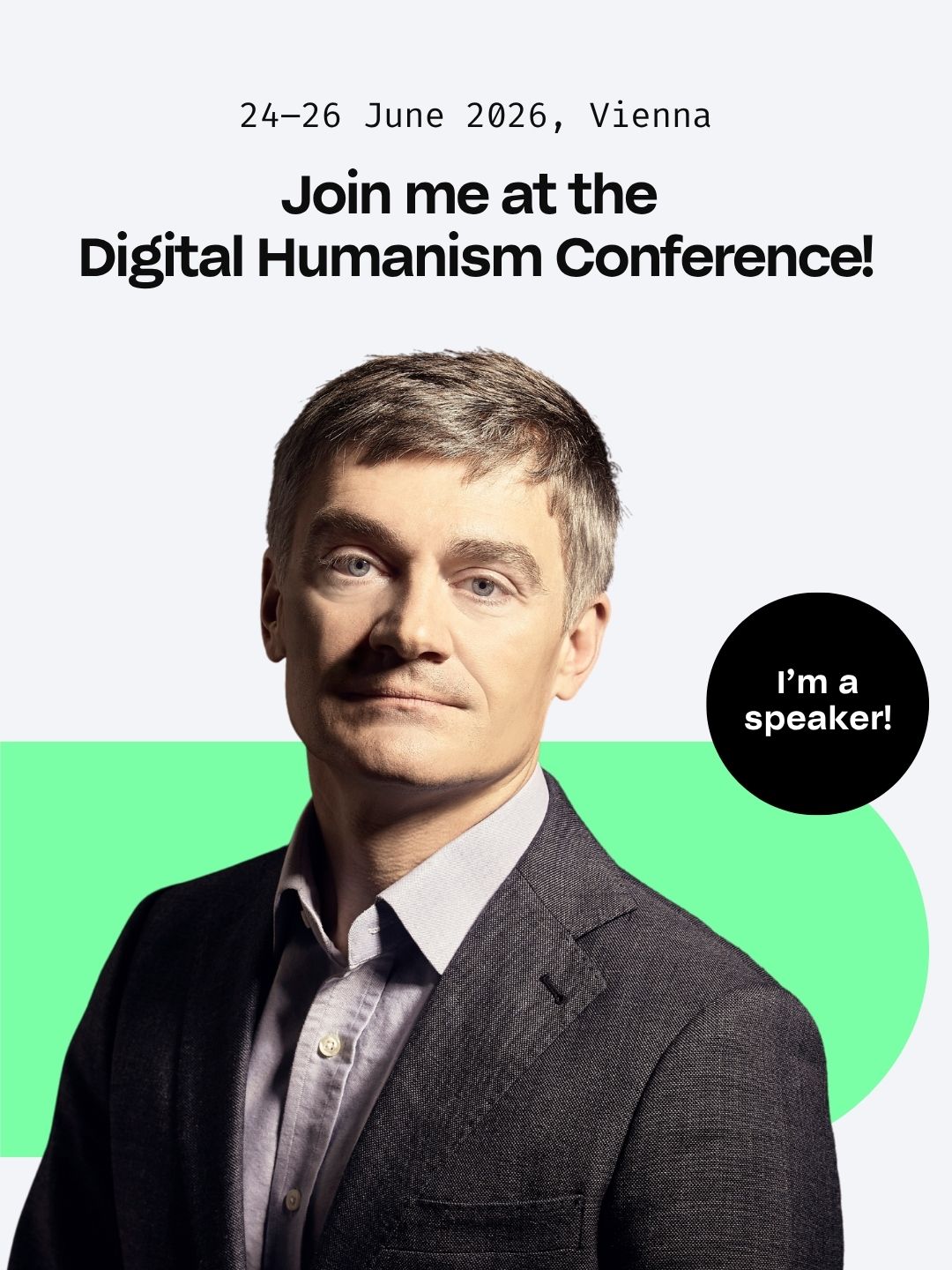
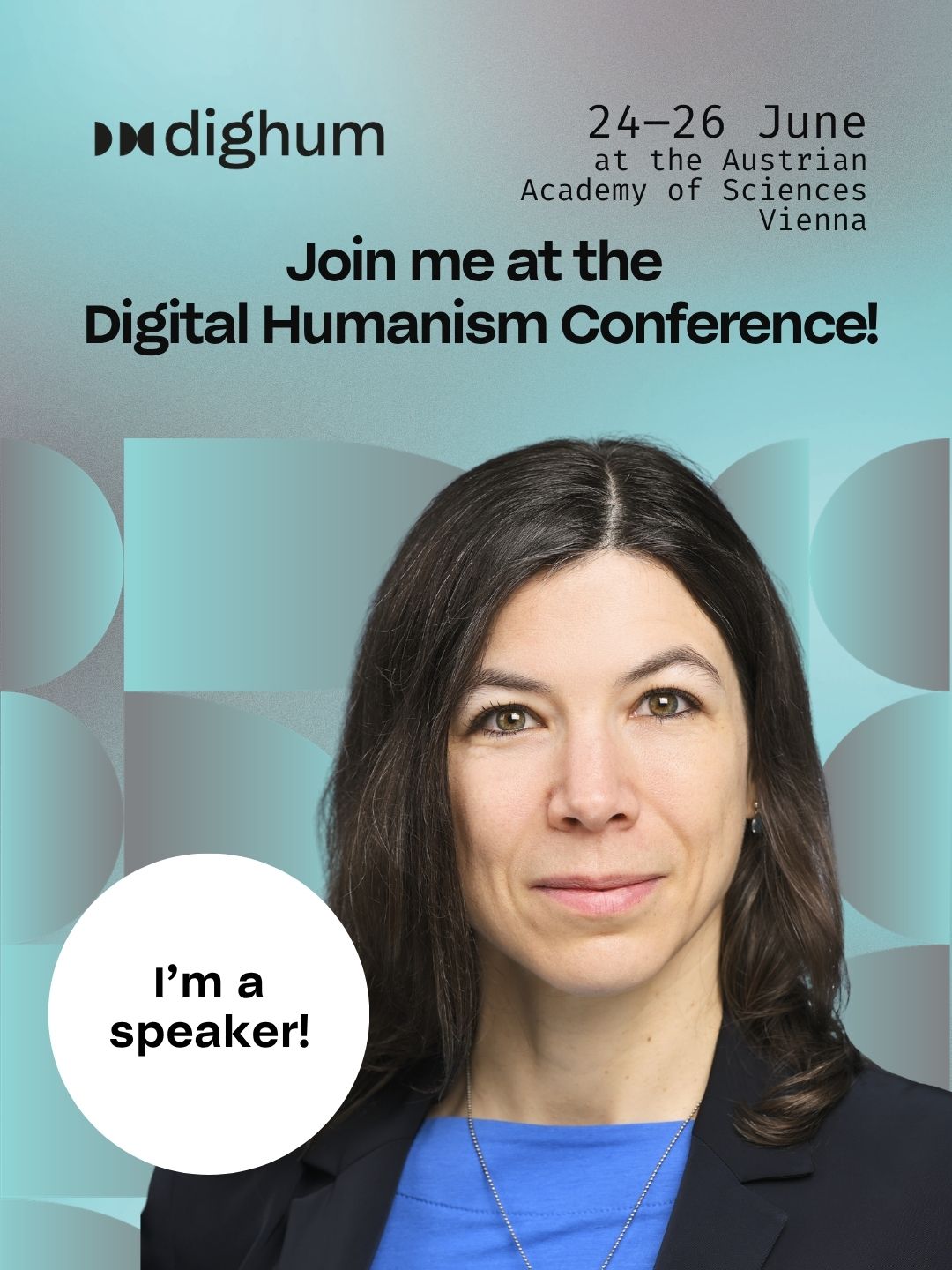
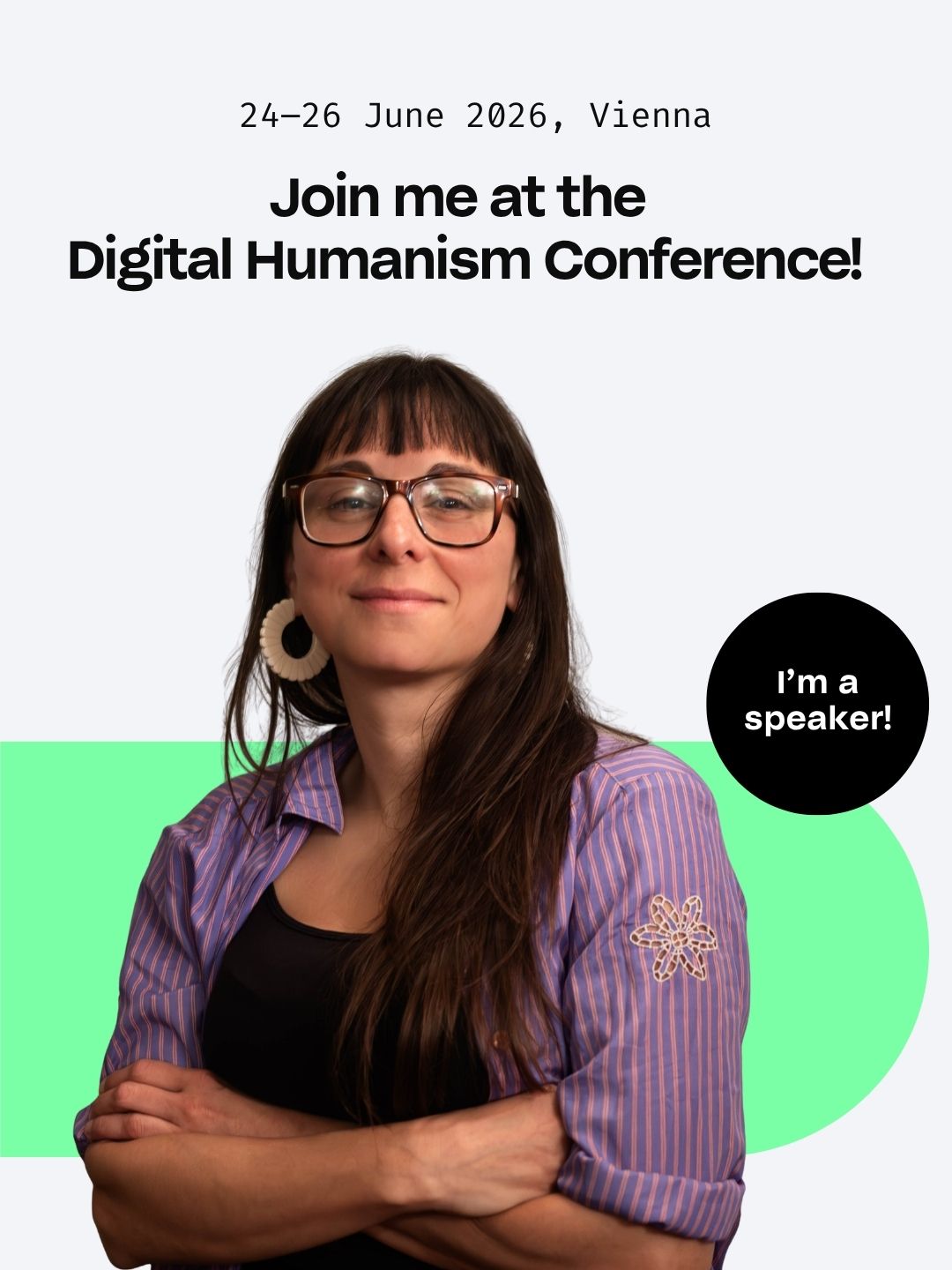
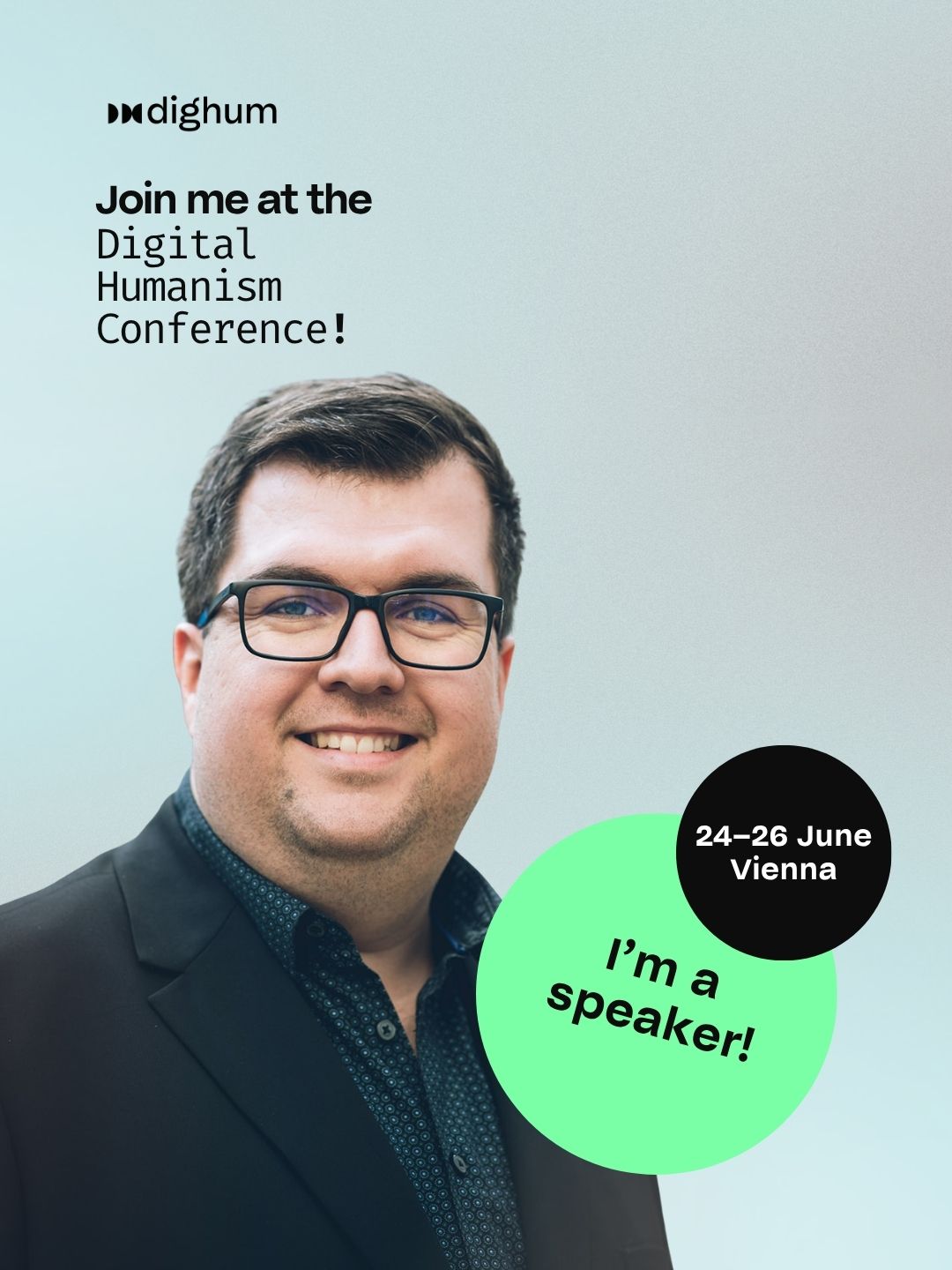
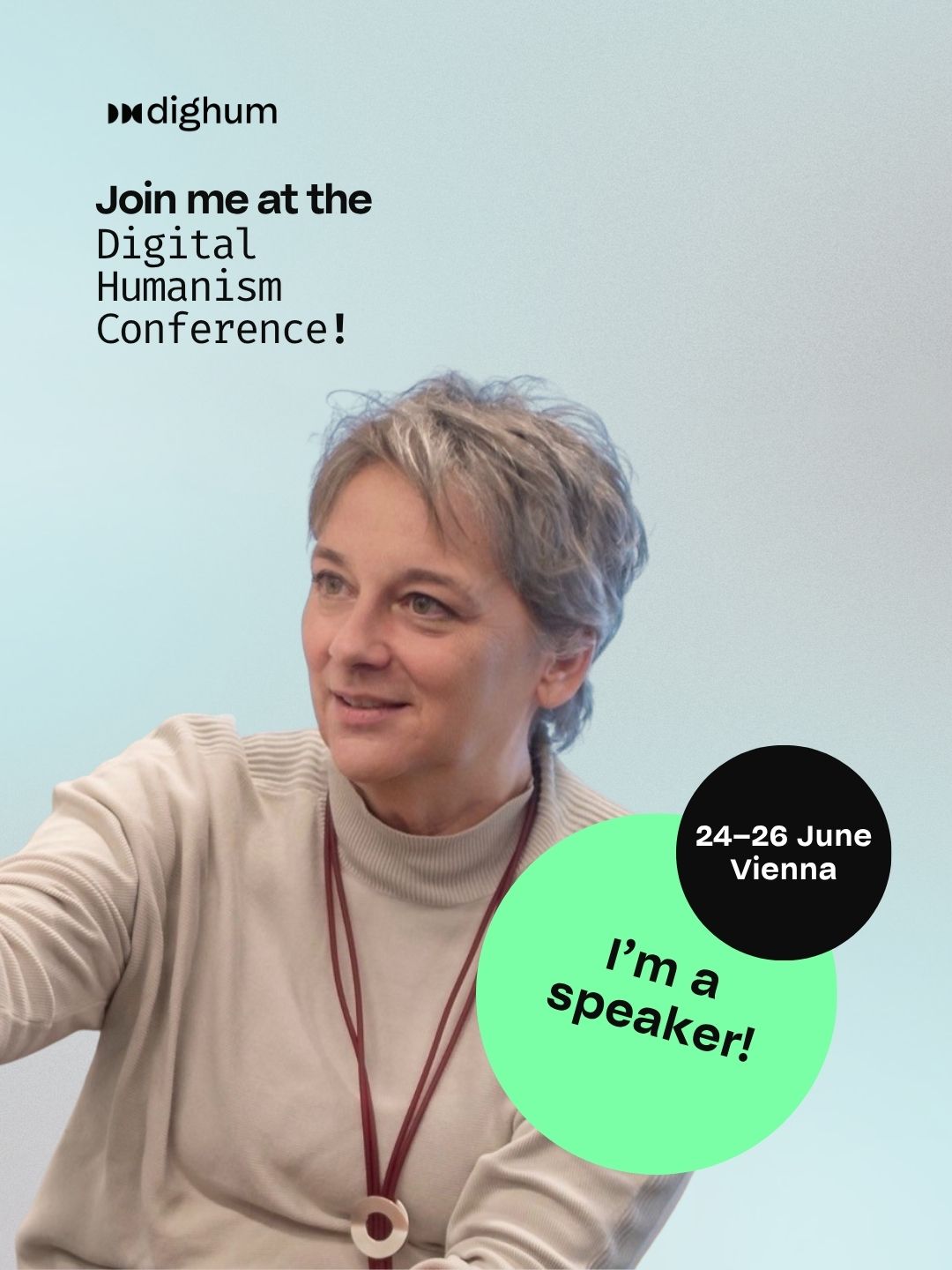
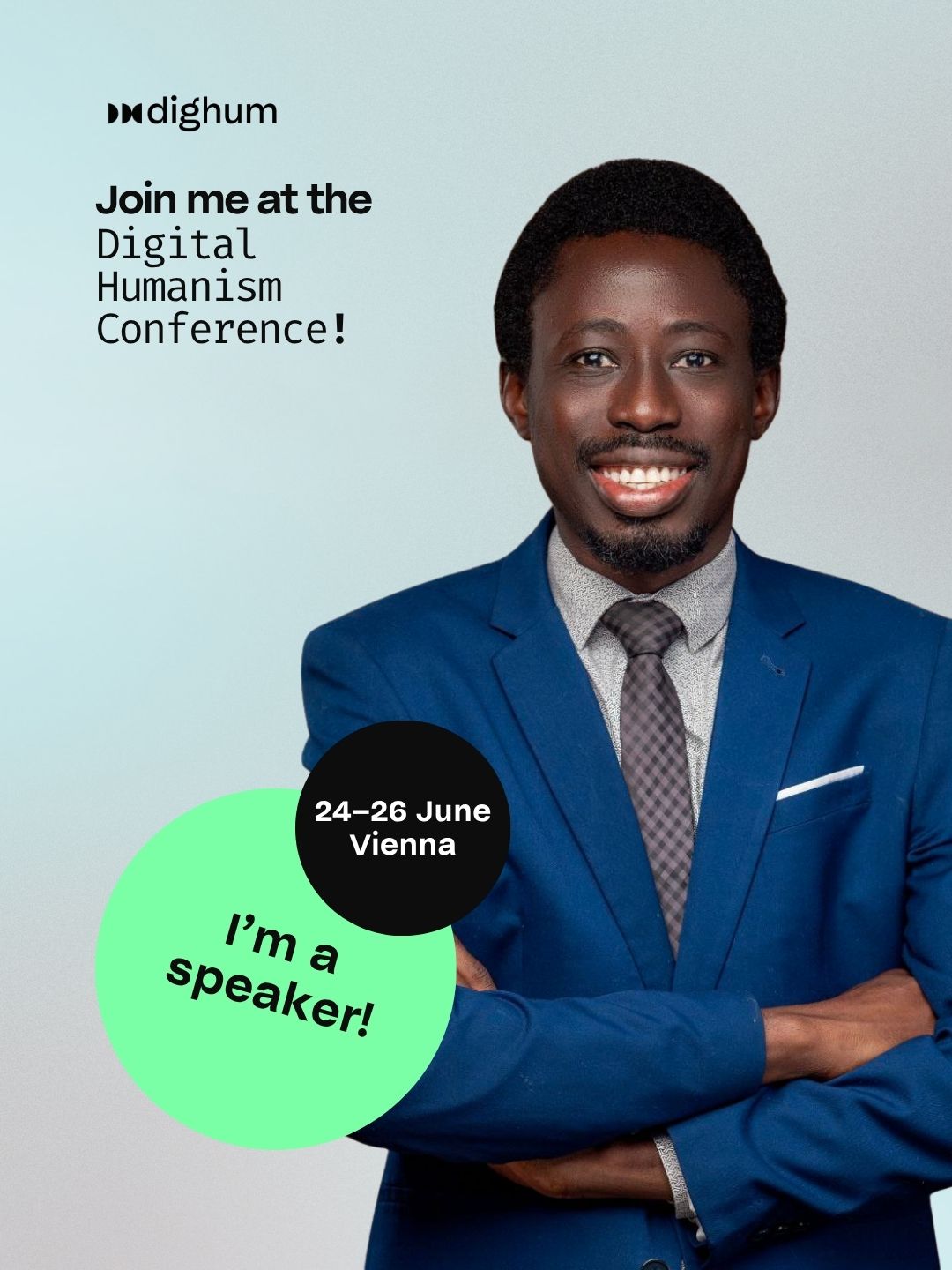
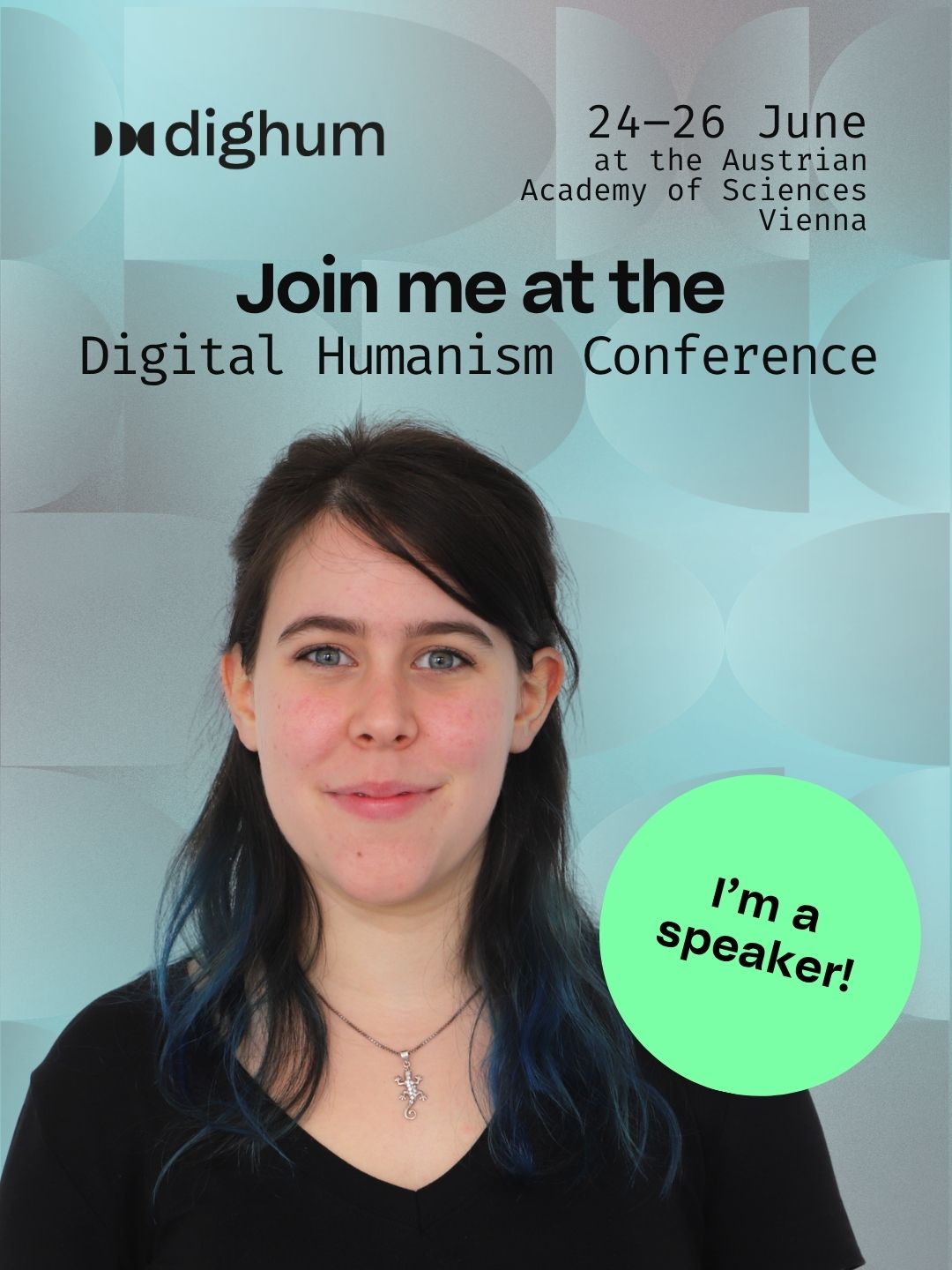
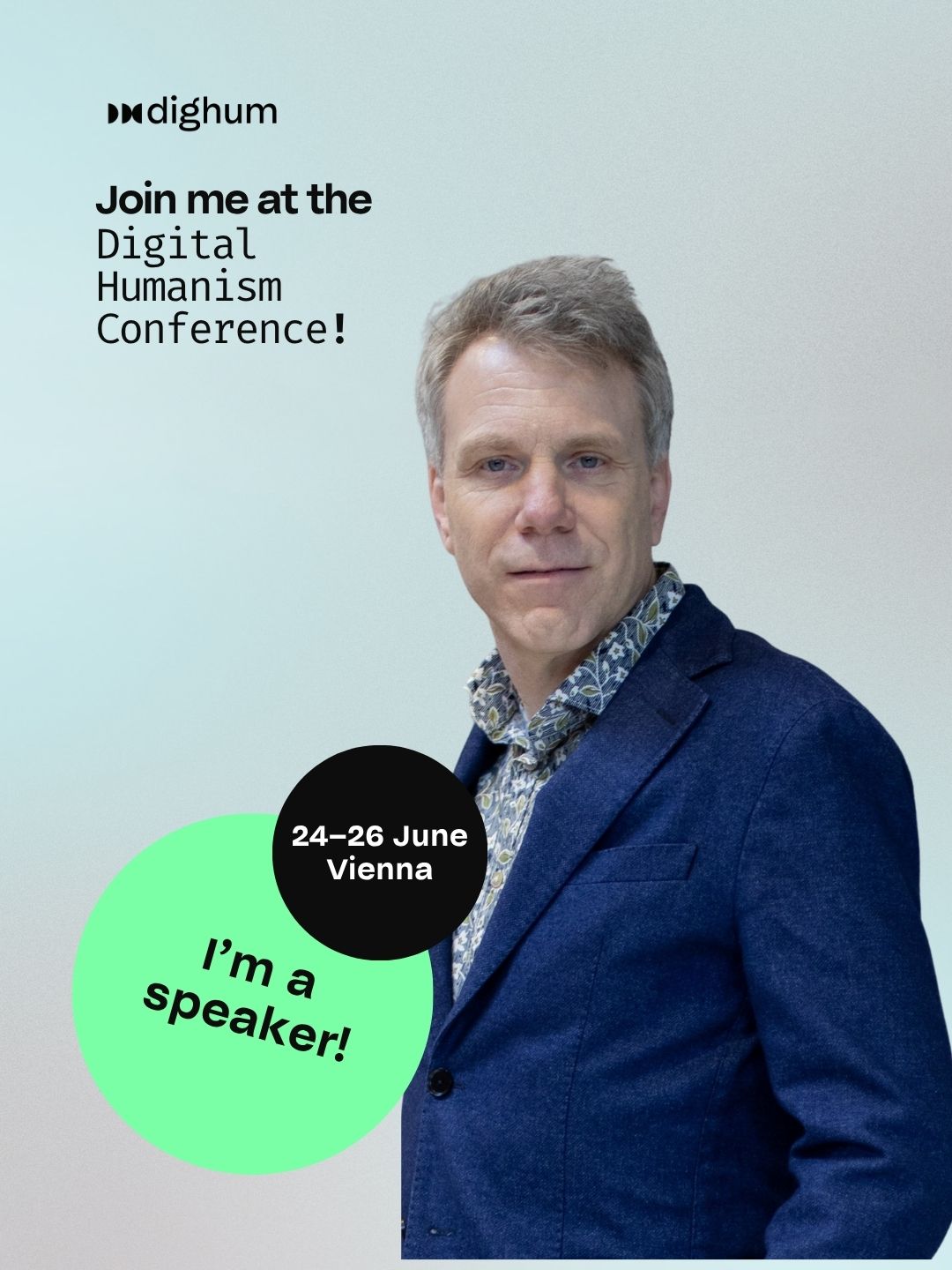
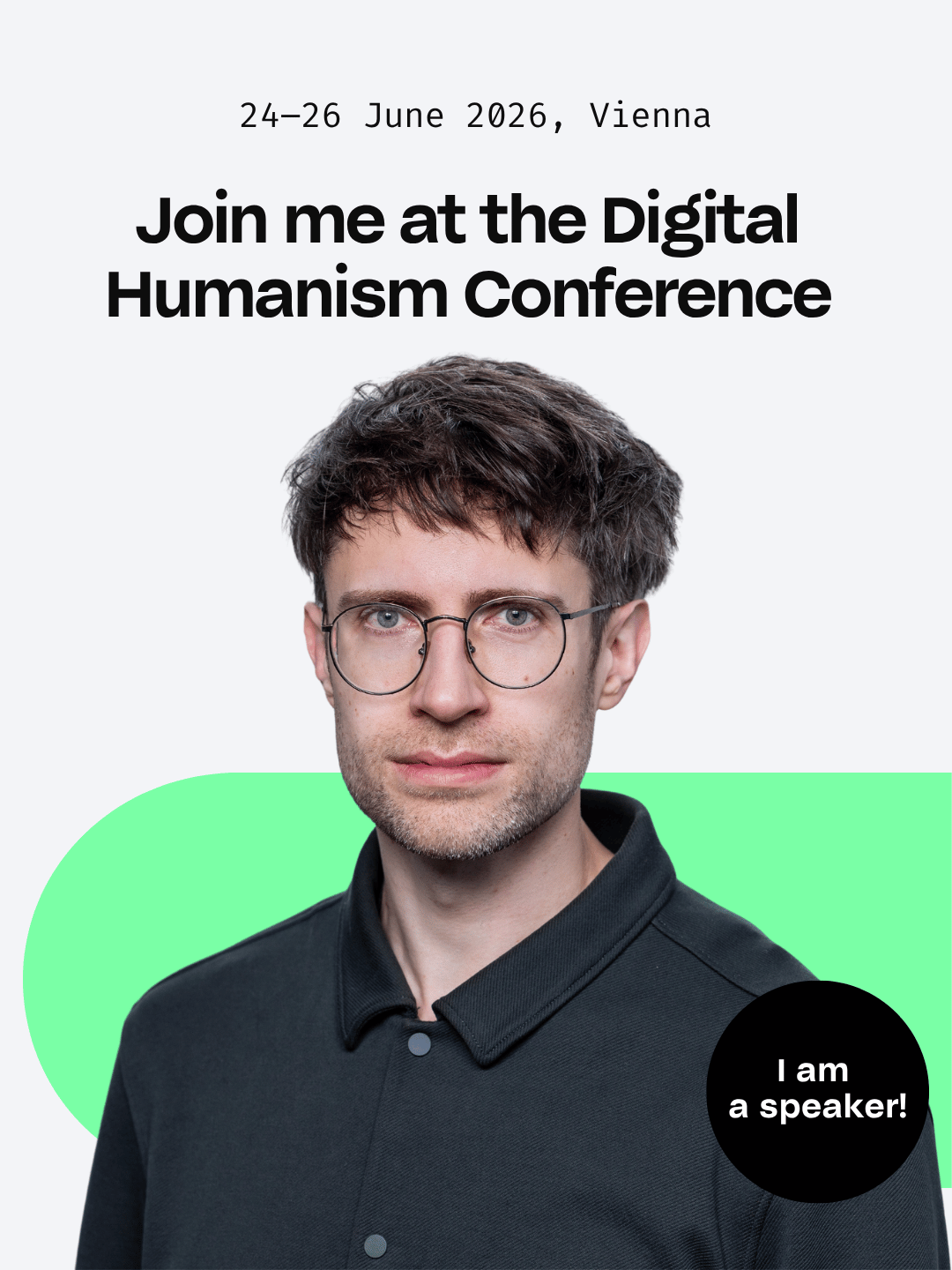
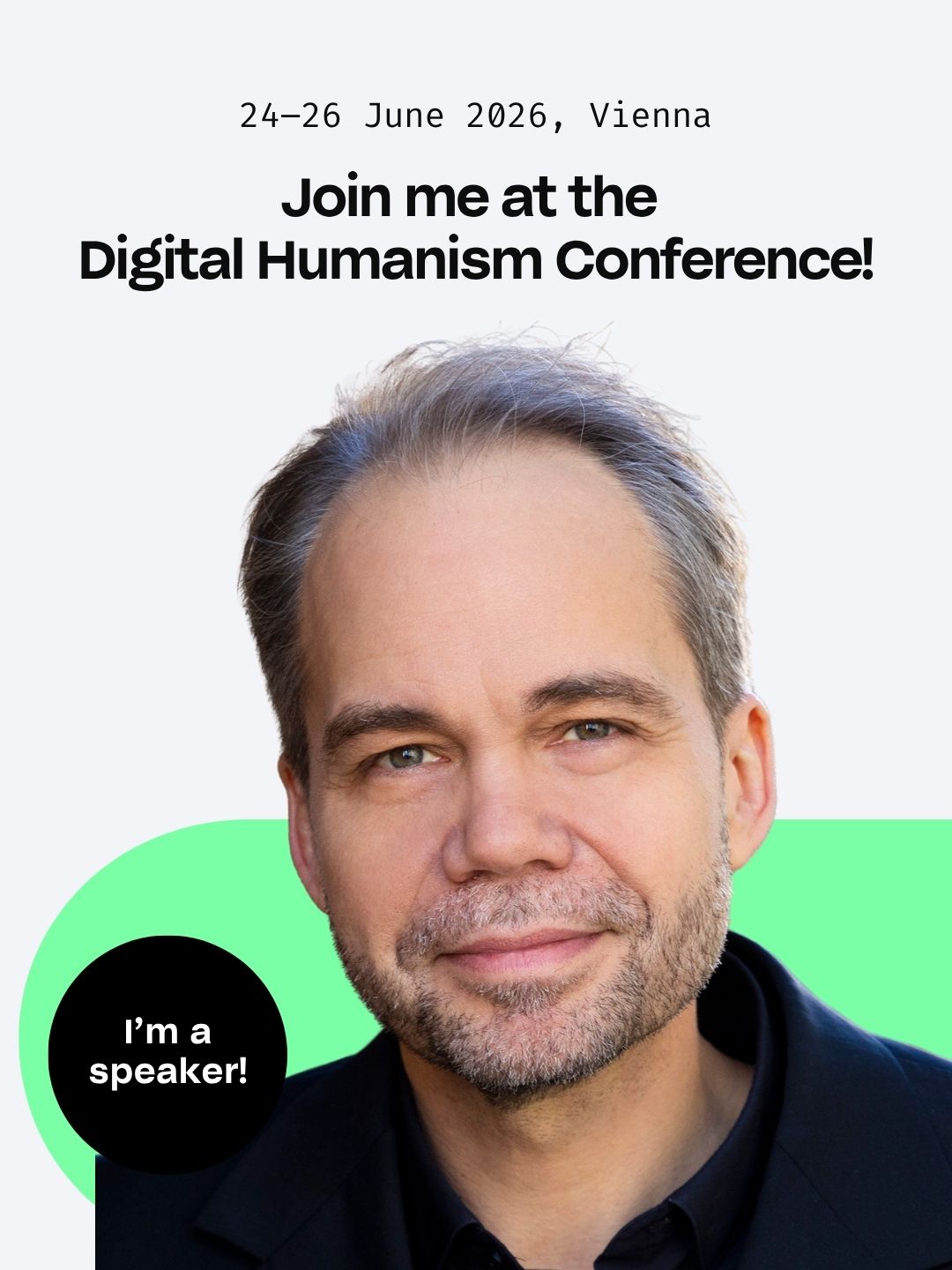
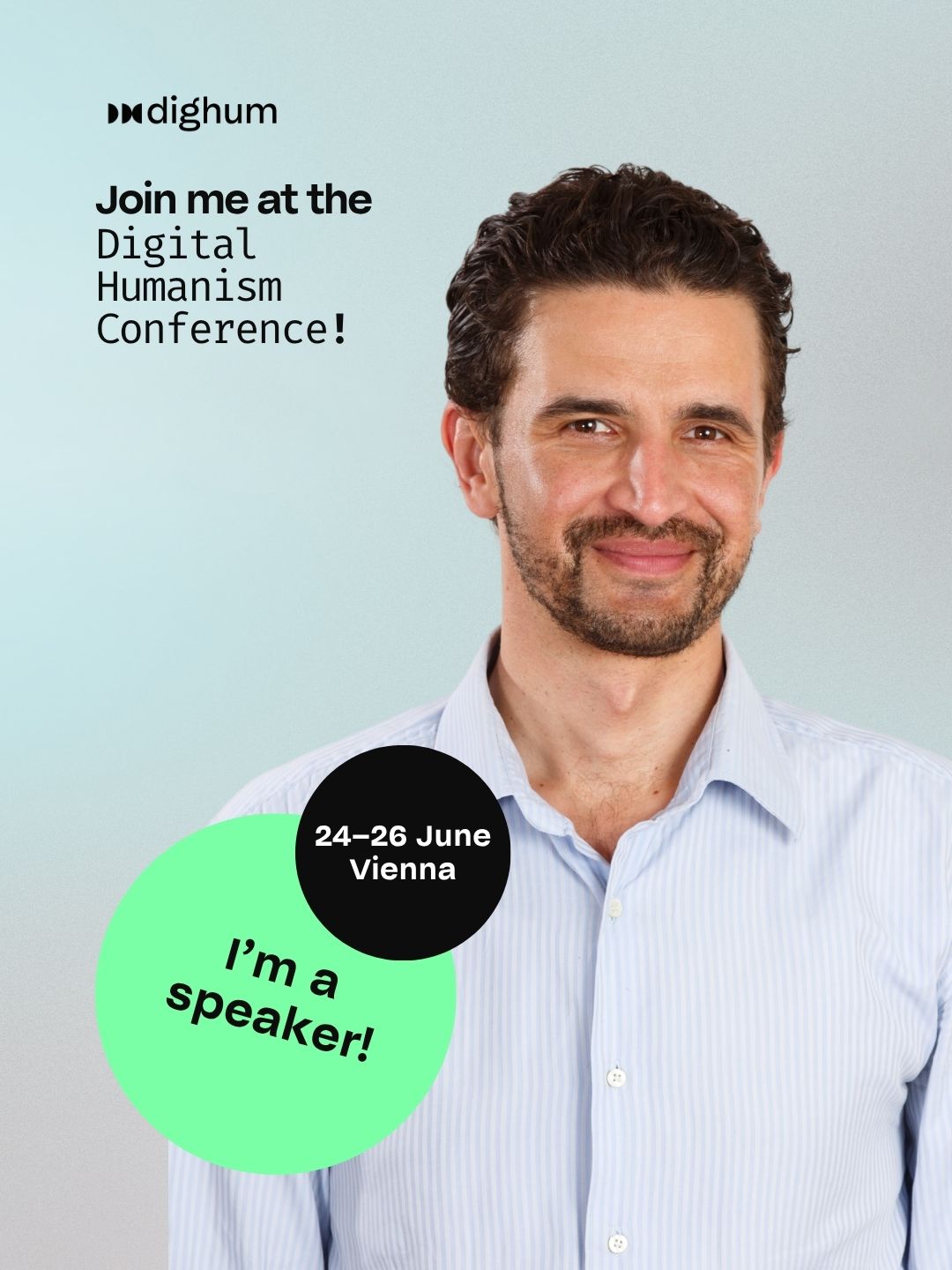
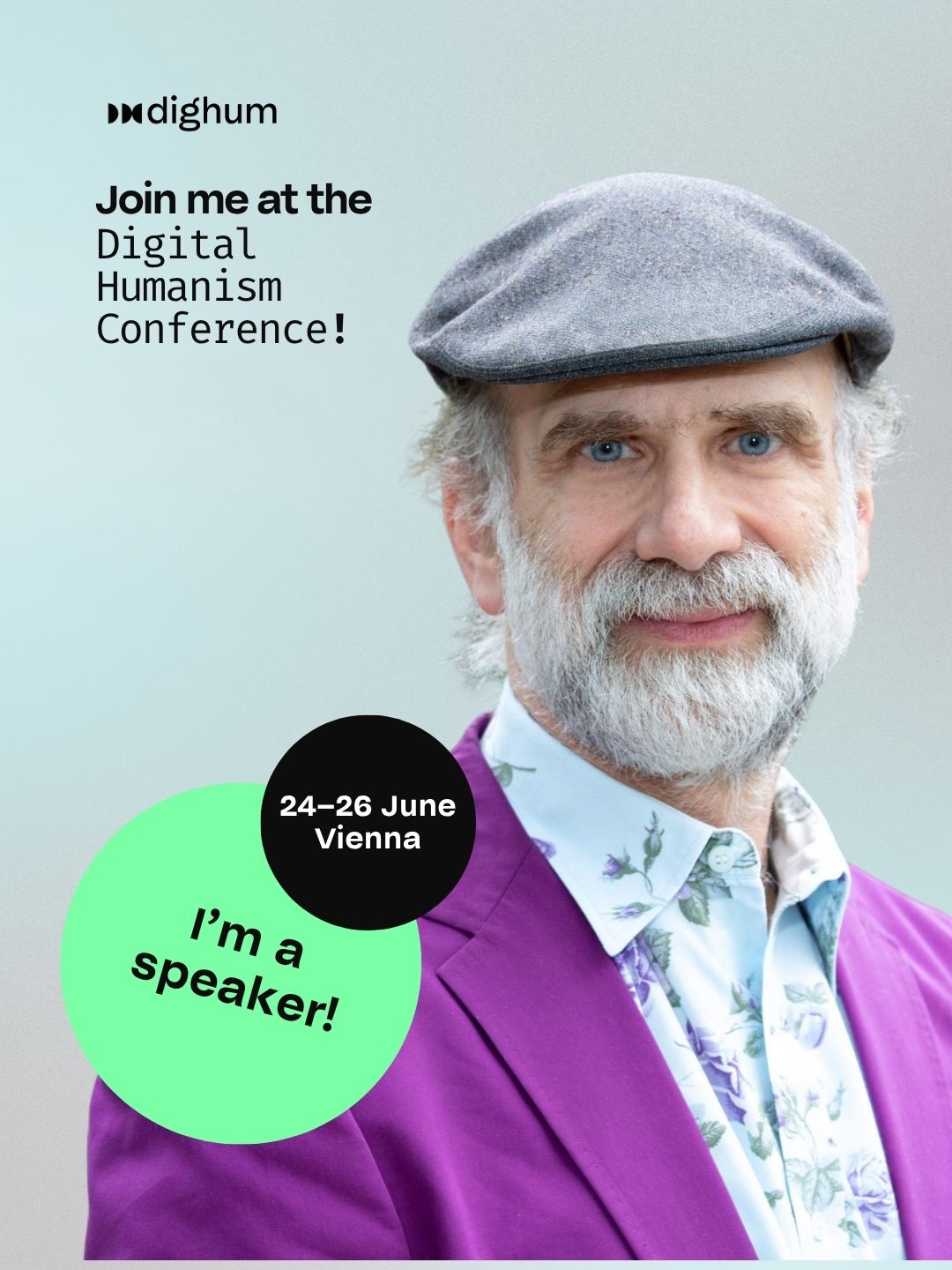
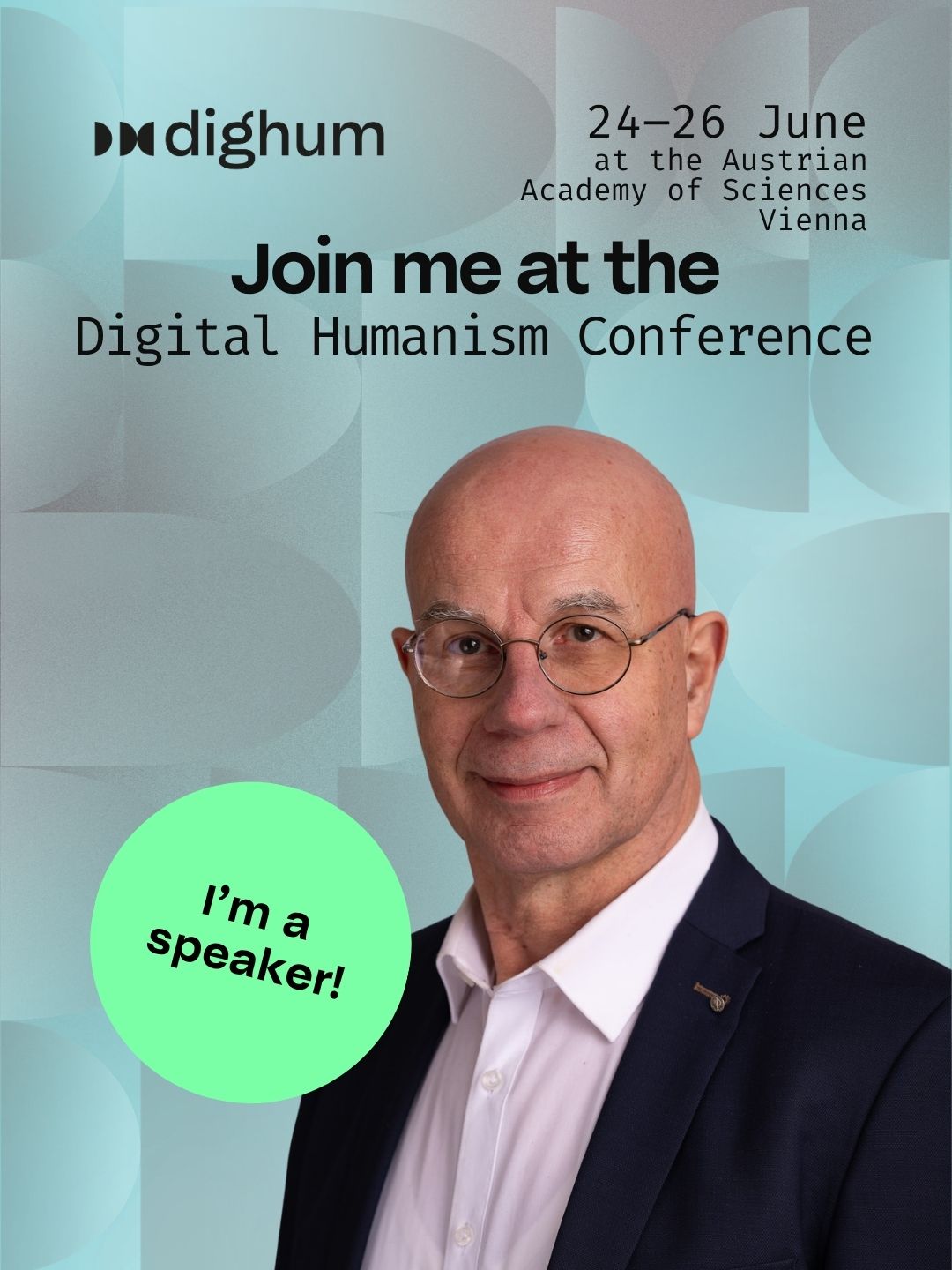
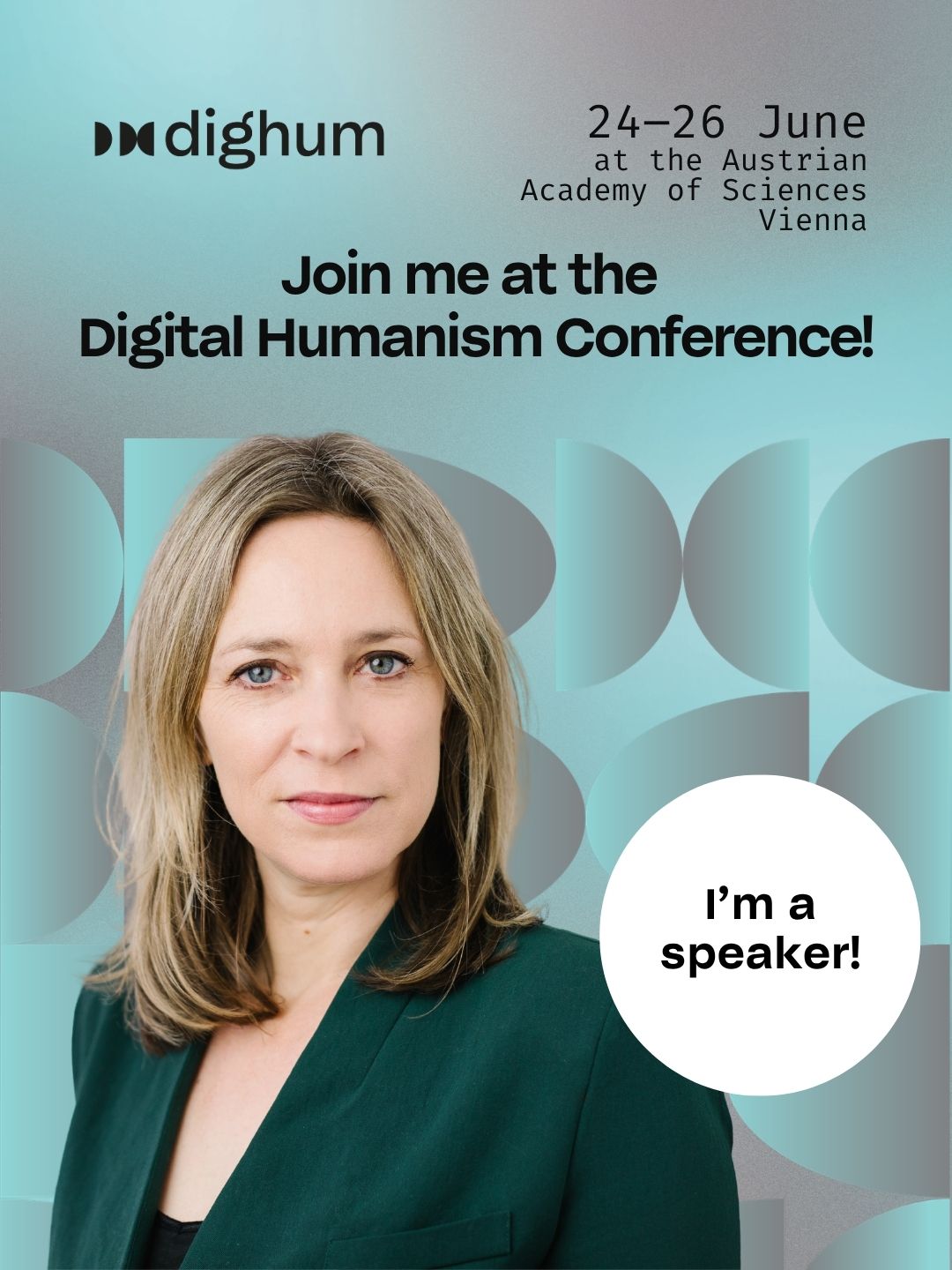
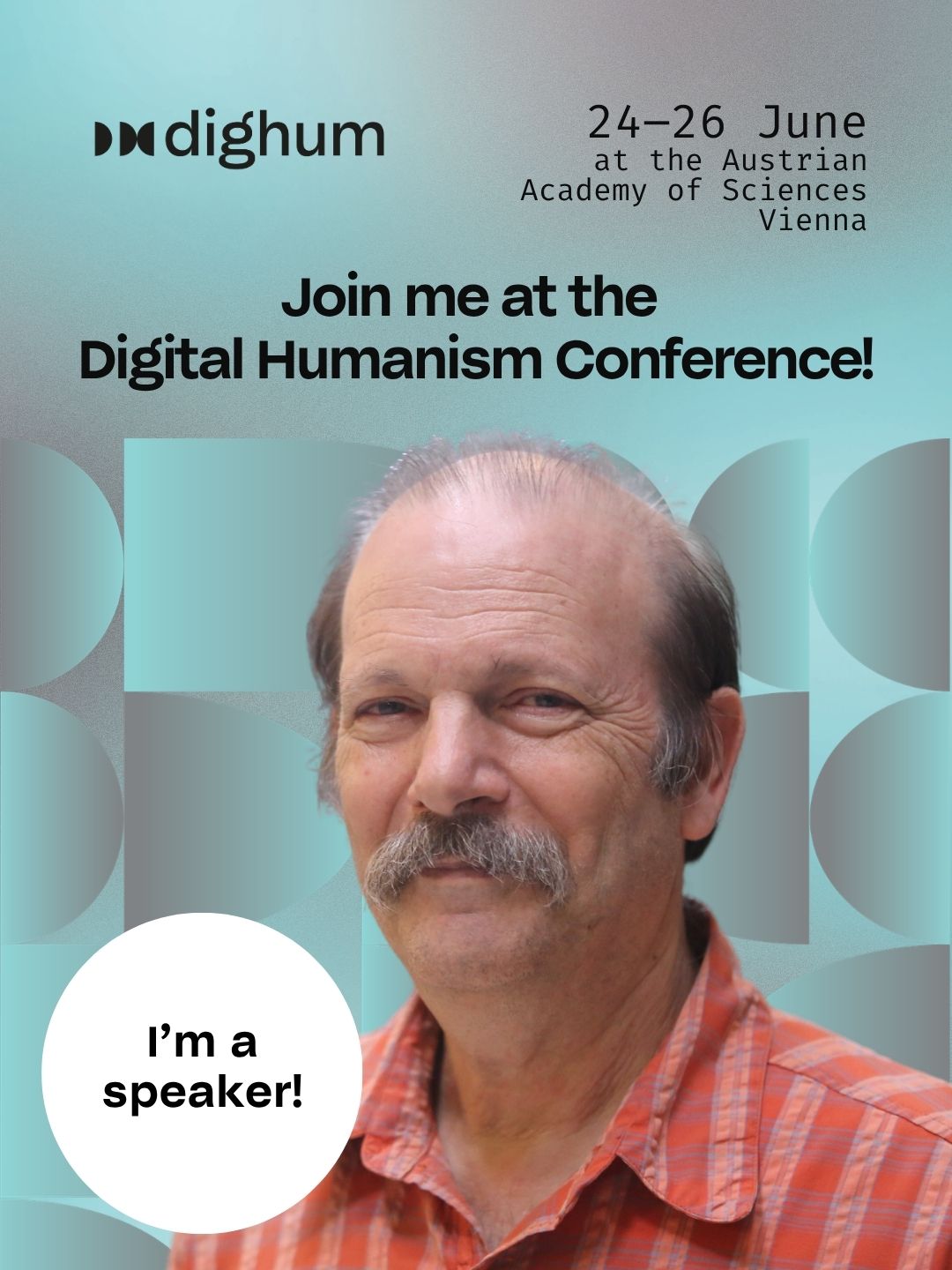
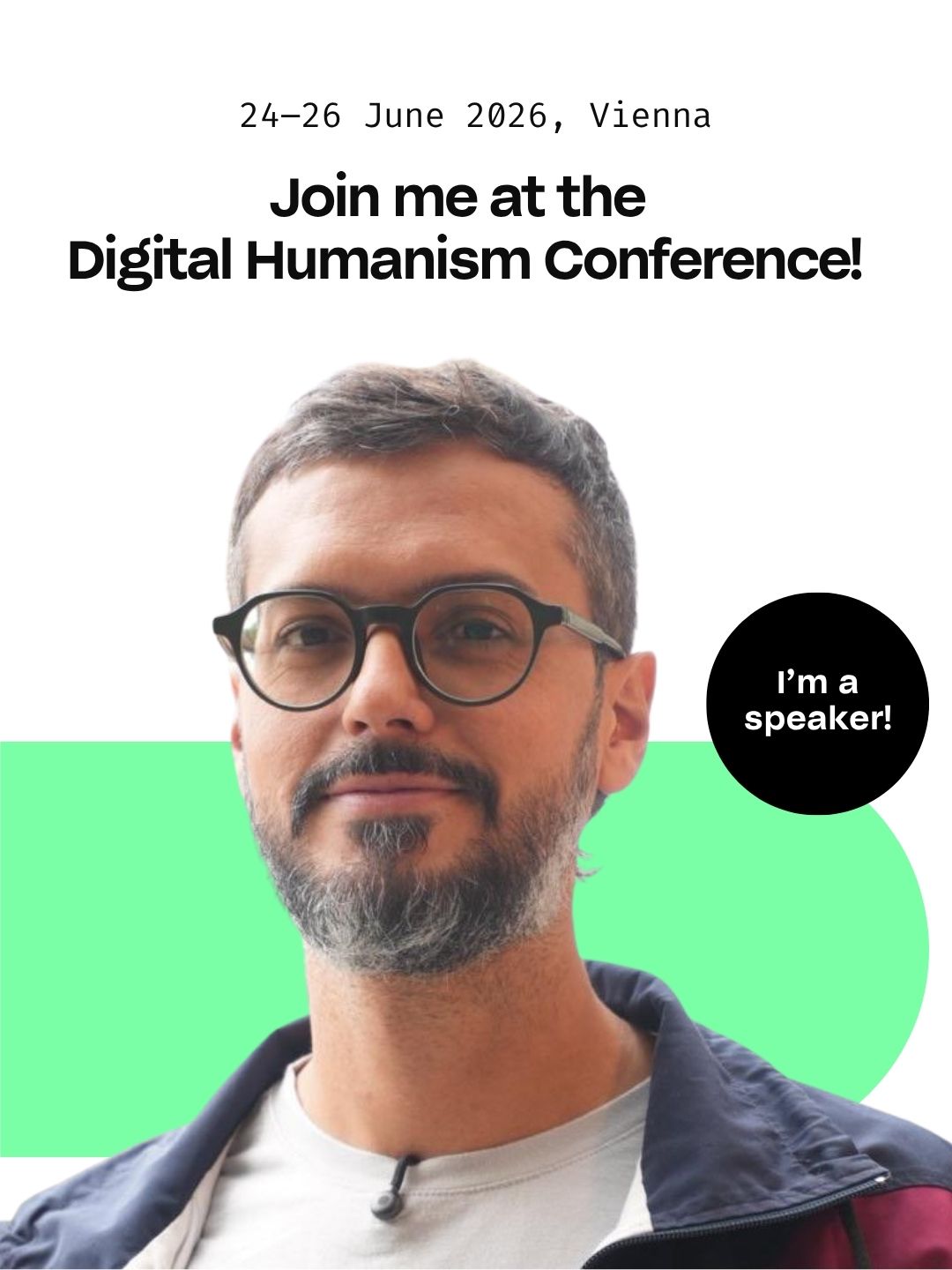
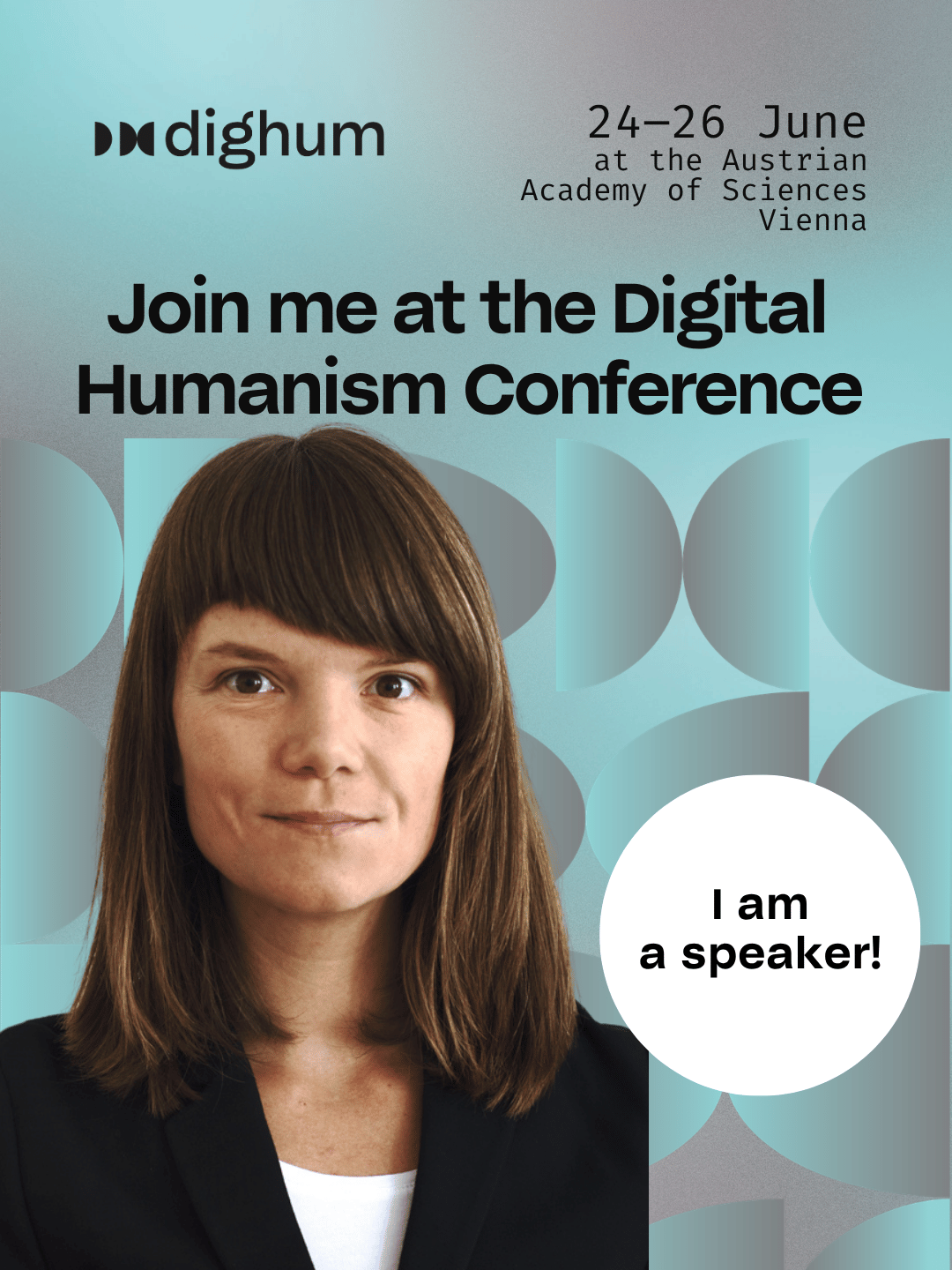
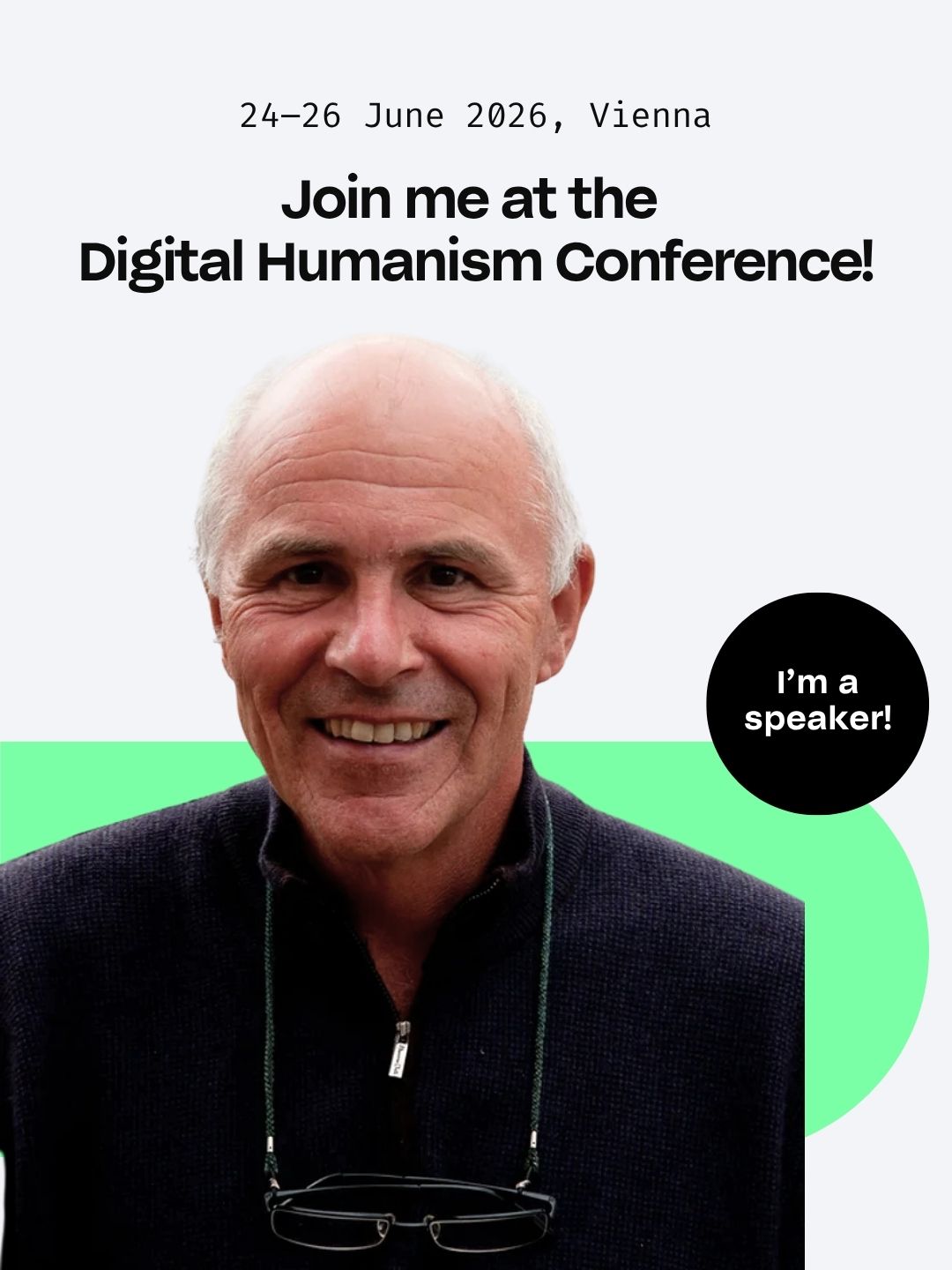
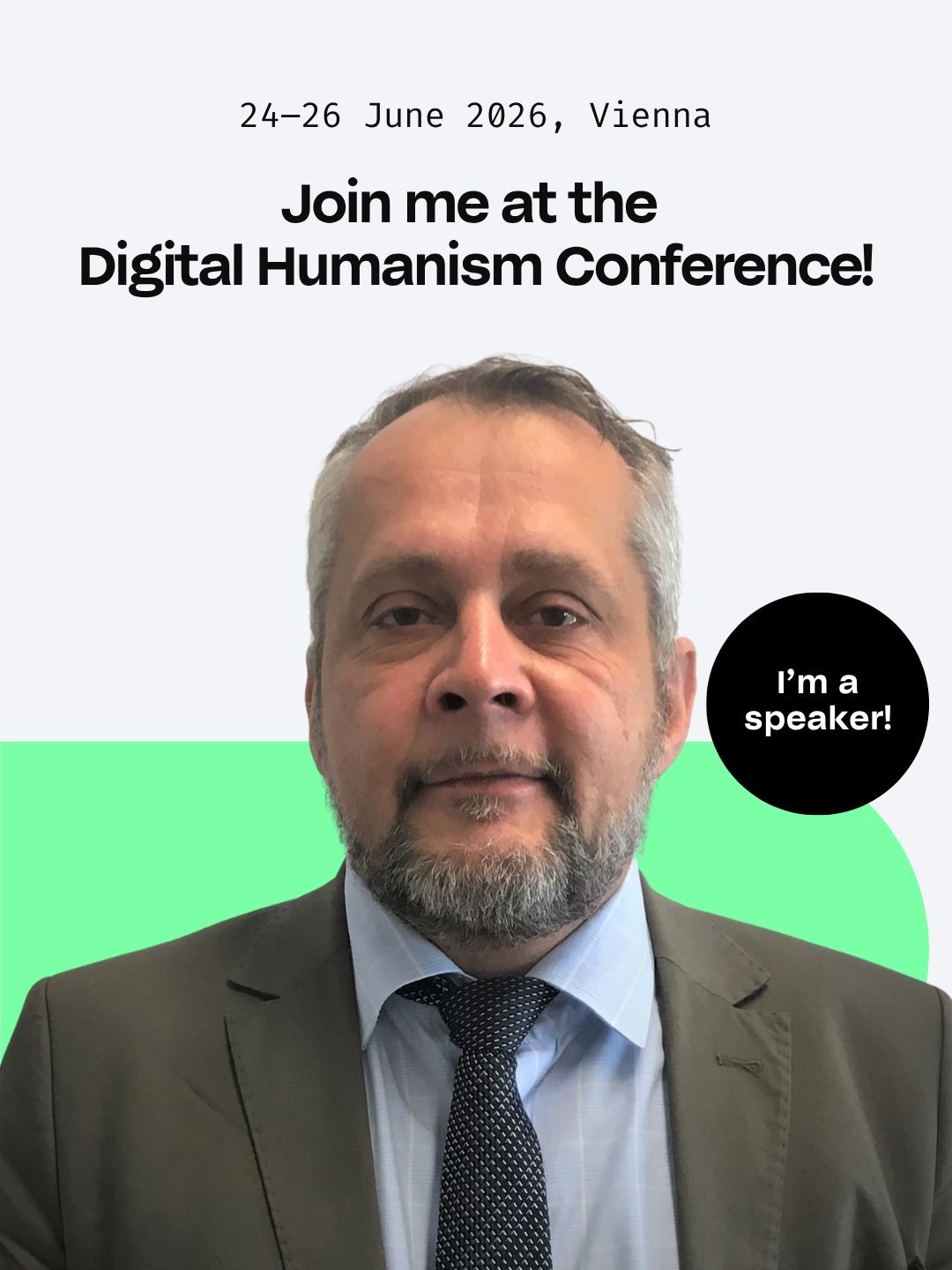
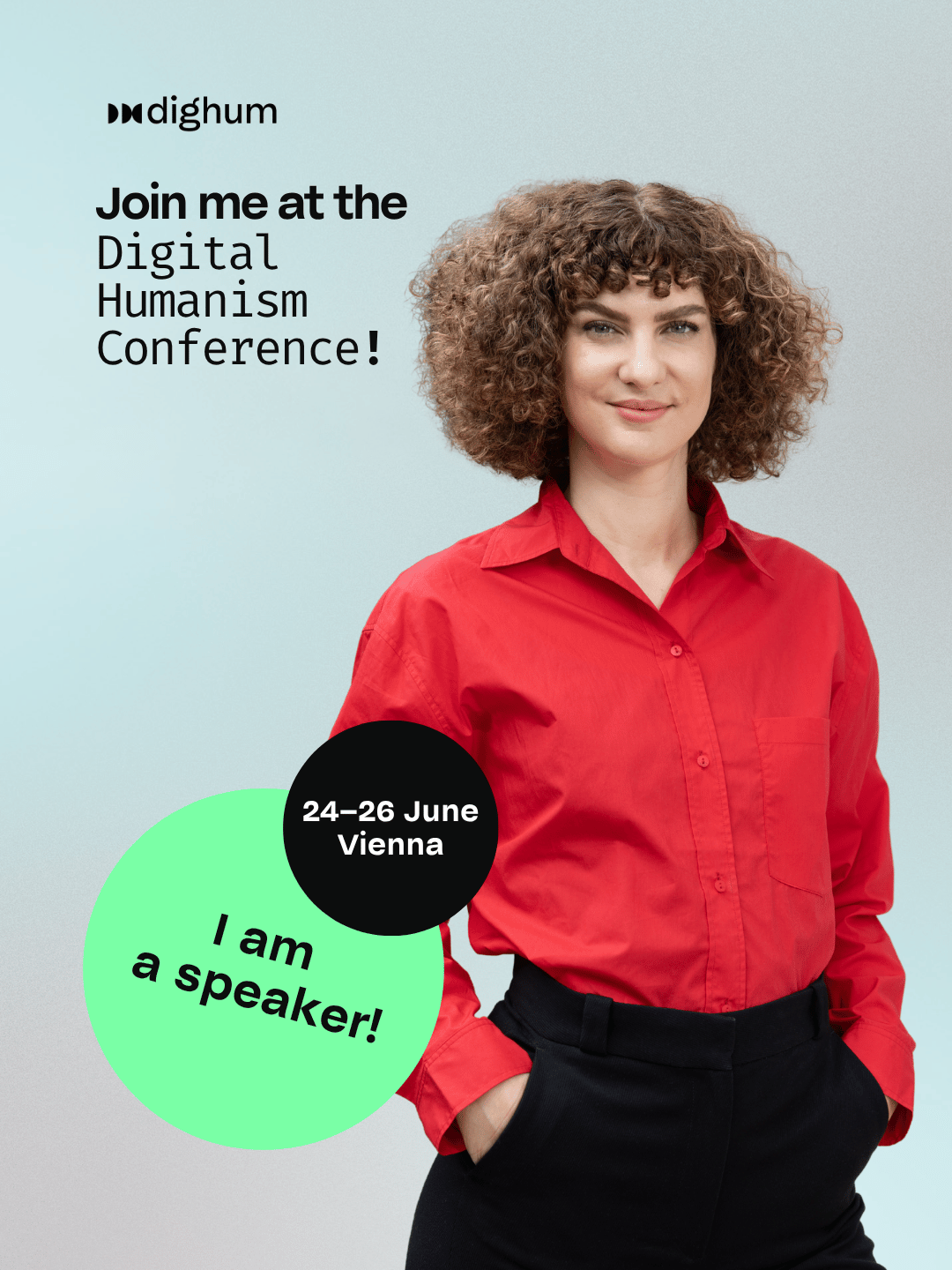
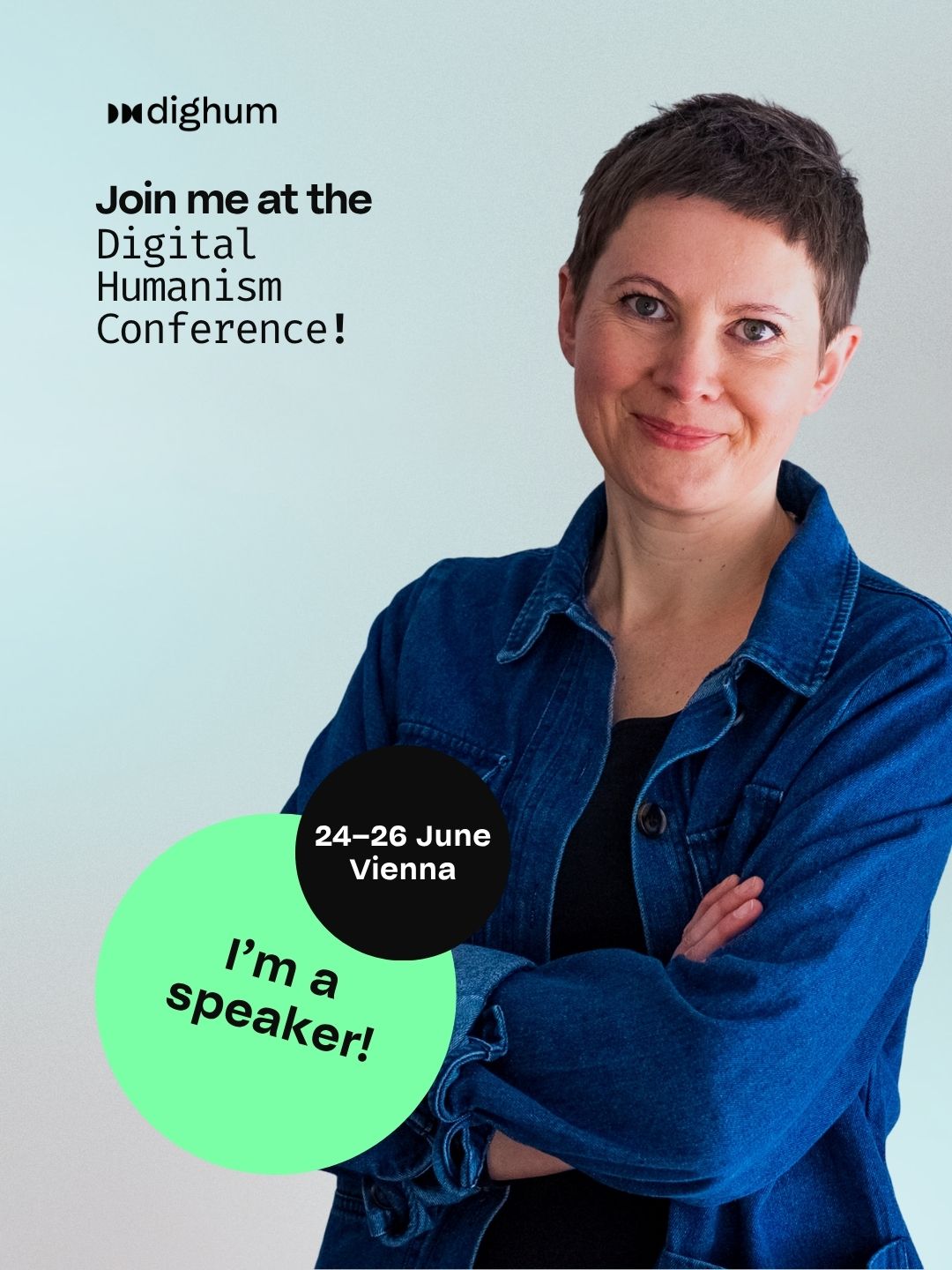
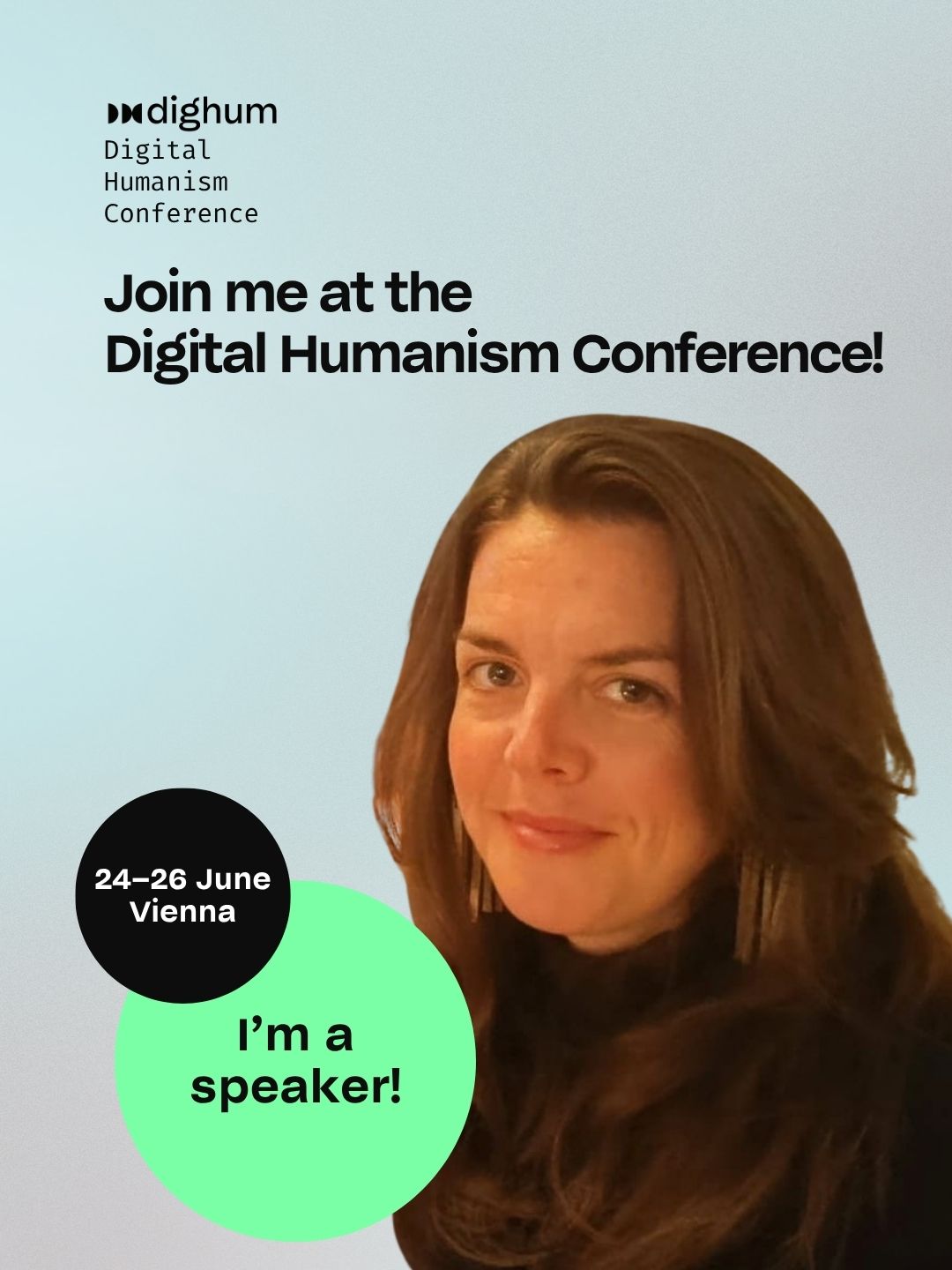
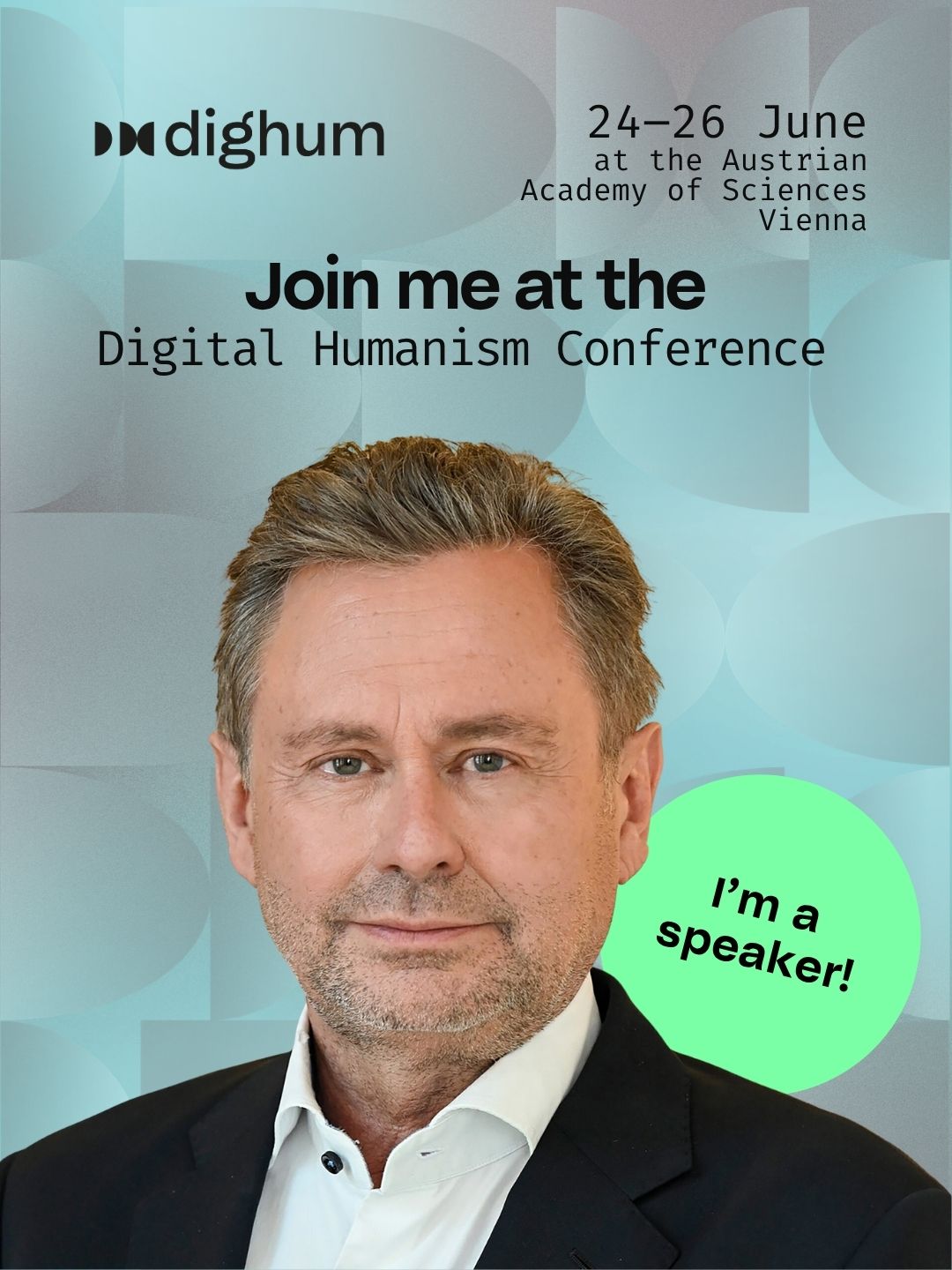
To make promoting your session as easy as possible, we provide media material to be used on social media, newsletters, email and similar.
Please use these materials as you see fit and always refer to the website dighum.wien. The hashtag used is #DigHum2026. You can also use all available press material.
If you see something missing, please let us know: info@dighum.wien
Thank you for spreading the word!
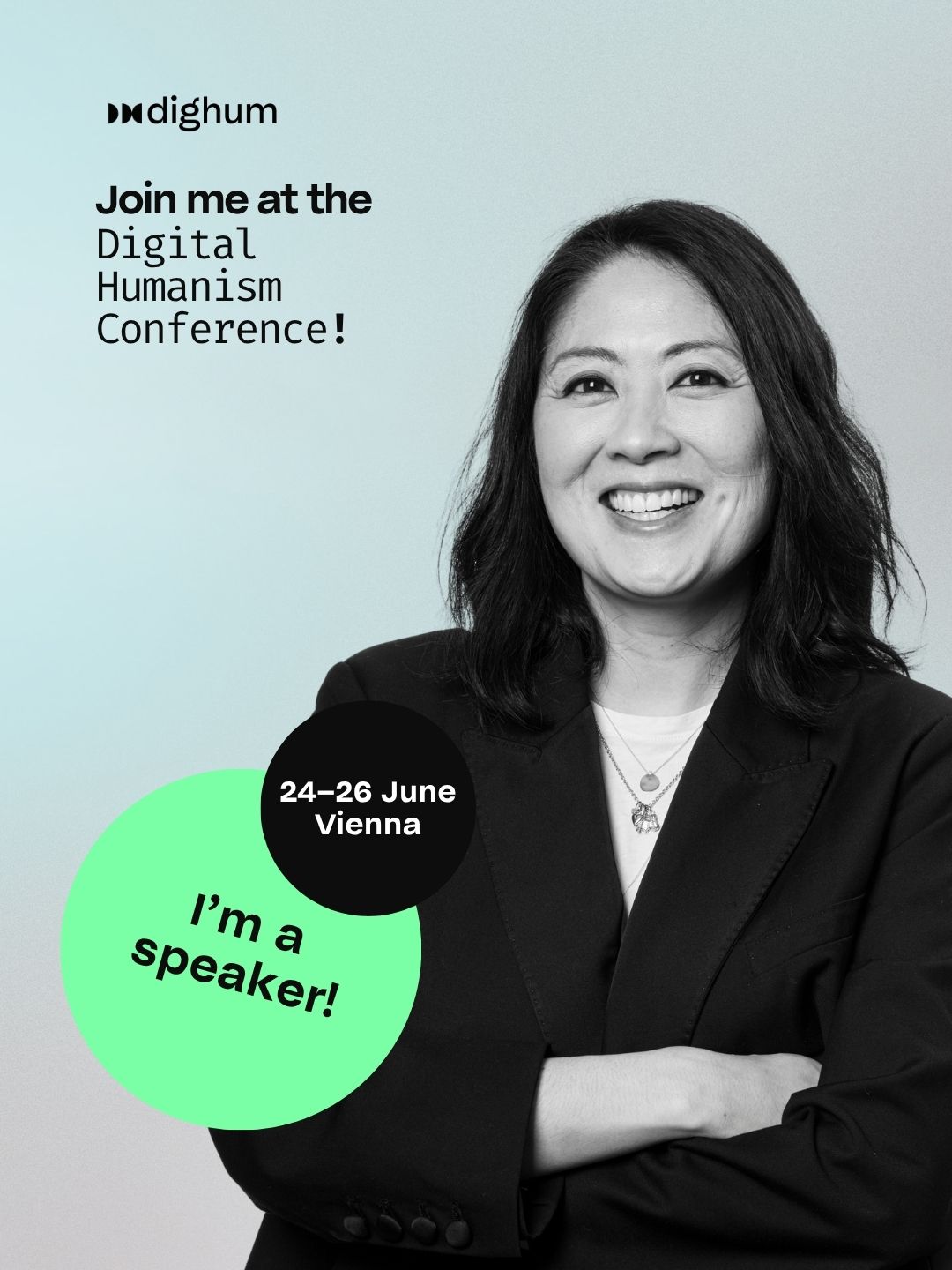
Images
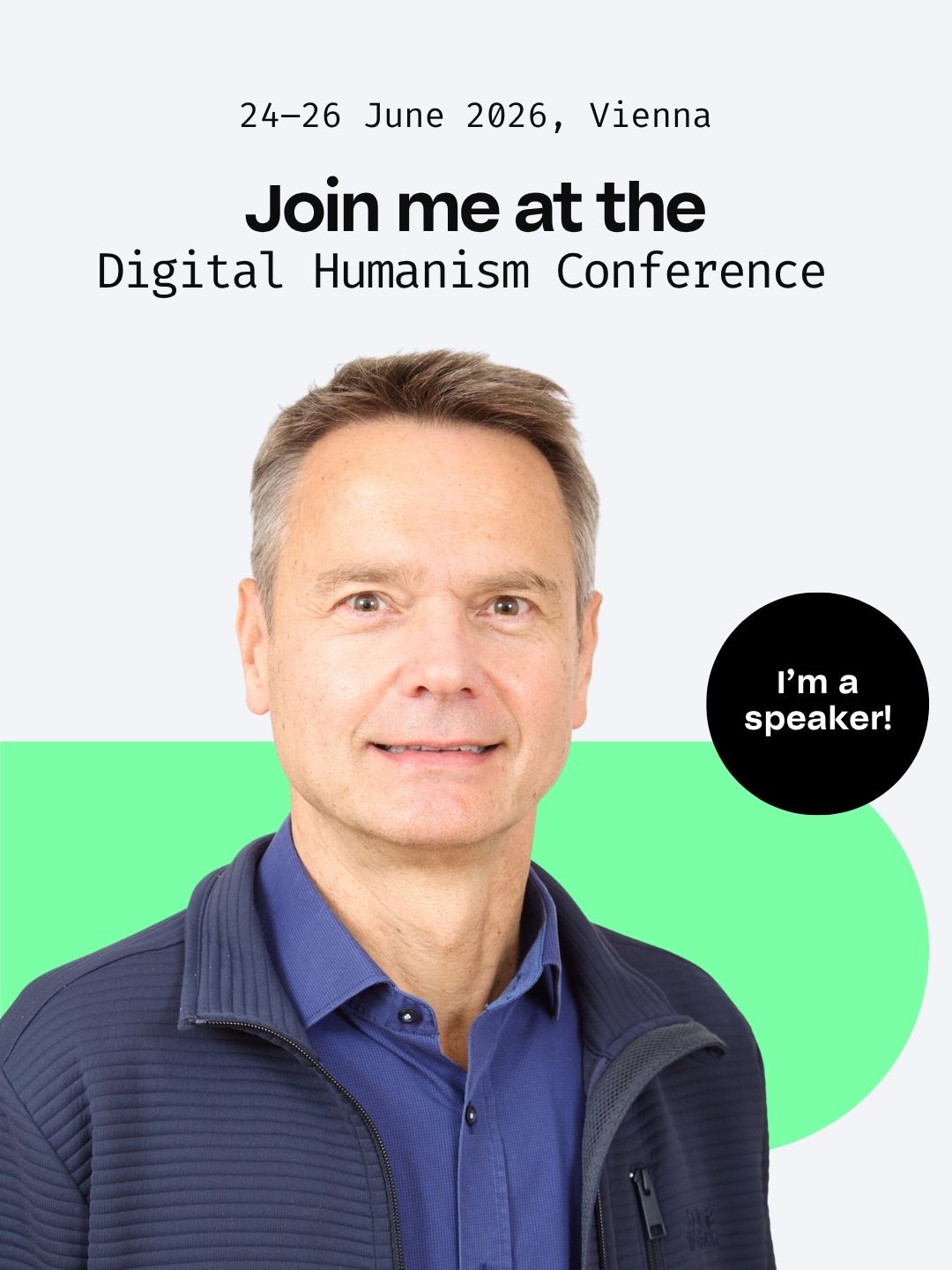
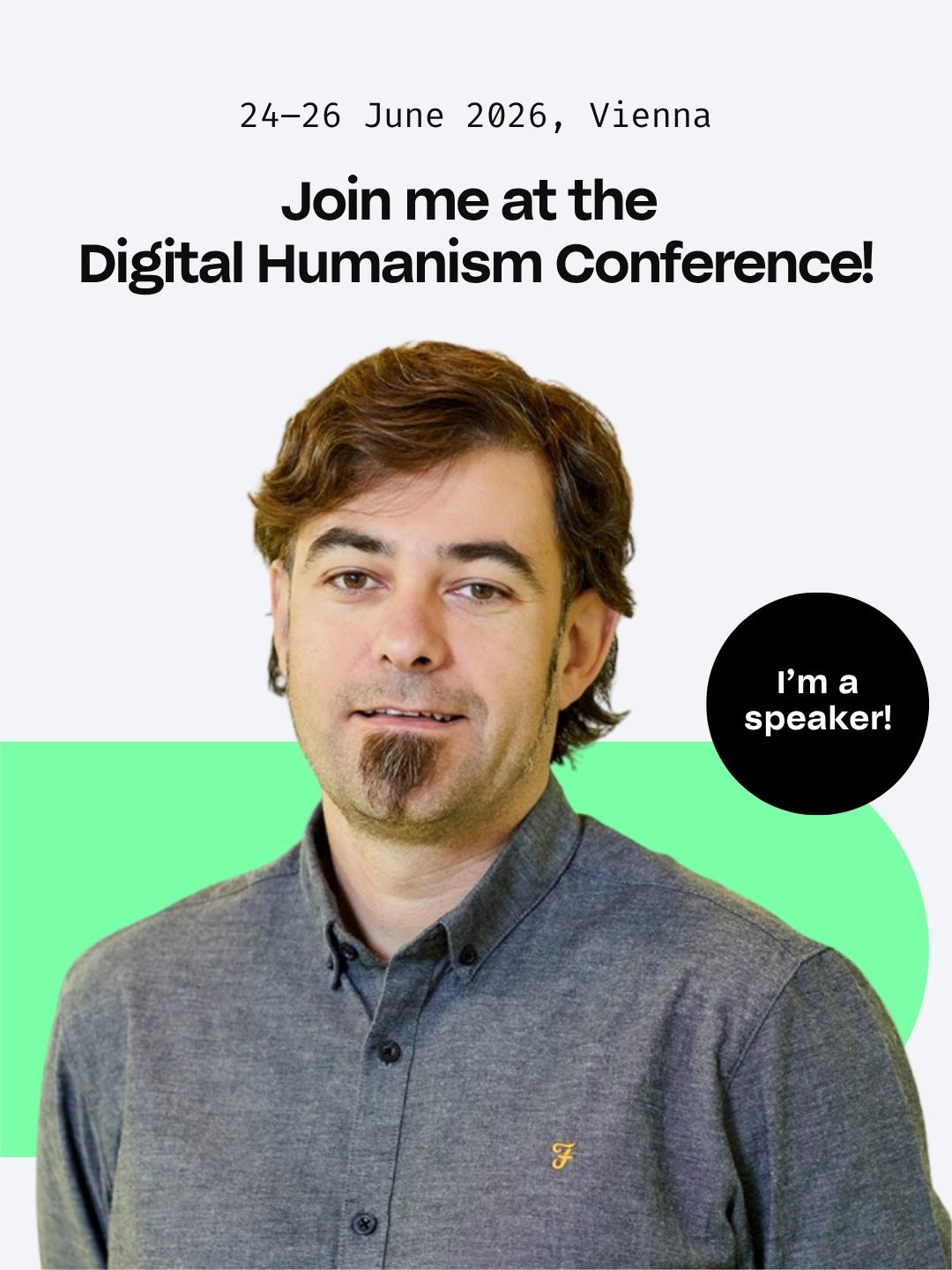
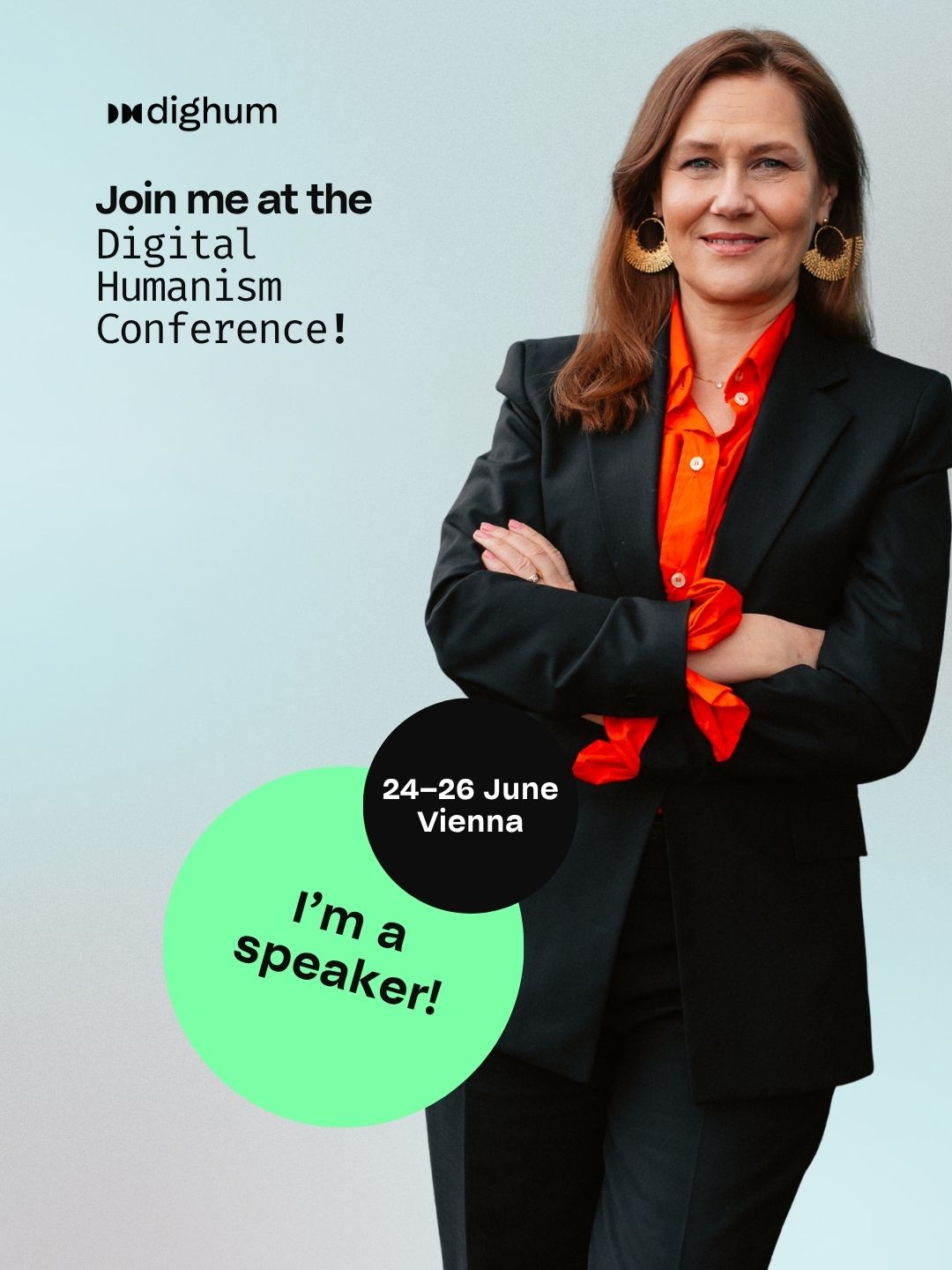
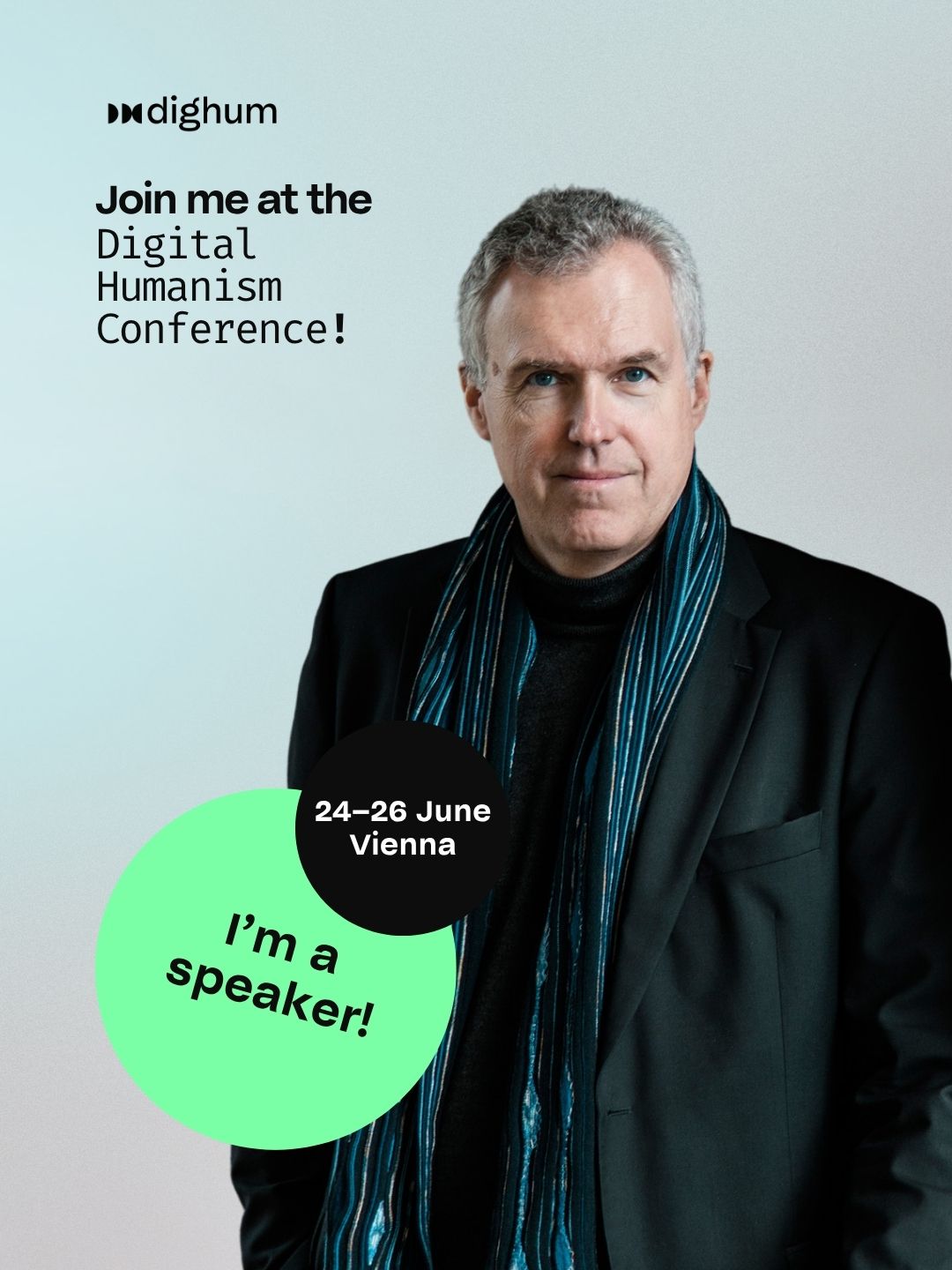
Please click on the image to download.
Social media text blocks
English (long version)
I’m speaking at this year’s Digital Humanism Conference in Vienna, 24–26 June! 🎤
I’ll be part of the [SESSION NAME] session on [DAY] – a question I’ve been thinking about for some time, and I’m keen to explore it with others working on similar challenges.
Beyond my own session, I’m particularly looking forward to conversations on digital sovereignty, AI economies, and digital commons. The programme is strong: Rumman Chowdhury and Bruce Schneier keynoting, plus Barbara Prainsack, Cecilia Rikap, Joanna Bryson, Thomas Lohninger, Felix Stalder, and many, many more.
The conference brings together research, policy, civil society, and industry – people who rarely share a room. That’s the point. Real change requires conversations across boundaries.
I’d love to connect in Vienna ✨
Programme and registration 👉 https://dighum.wien
📅 24–26 June
📍 Austrian Academy of Sciences
The Digital Humanism Conference is organised by the Digital Humanism Association, in partnership with The Europan Digital Humanism Initiative (EUDHIT) and the Austrian Academy of Sciences, supported by the City of Vienna and the Vienna Science and Technology Fund (WWTF).
#DigHum2026 #DigitalHumanism
English
https://dighum.wien Heading to Vienna for #DigHum2026 in June — I’ll be joining [CO-SPEAKER] for [SESSION TOPIC].
Everyone talks about “digital sovereignty”, but what does it look like when a city actually builds its own infrastructure? When workers organise across platform economies? When knowledge institutions refuse extractive data practices? That’s what we’re unpacking.
Opens with Valerie Veatch’s “Ghost in the Machine” at the Gartenbaukino. https://dighum.wien
I’ll be at #DigHum2026 in Vienna this June, joining [CO-SPEAKER] for a session on [SESSION TOPIC]. On two conference days, we’ll be exploring questions like: how do platform economies reshape labour? What does digital sovereignty look like in practice? How do we build systems that actually serve the public interest?
The conference opens with the European premiere of “Ghost in the Machine” at the Gartenbaukino.
Full programme at https://dighum.wien/programme
24–26 June at the Austrian Academy of Sciences
German
Während Tech-Bros die Regeln der Demokratie in Echtzeit neu schreiben versuchen, schauen wir uns an, was bereits anders gebaut wird, etwa öffentliche digitale Infrastrukturen oder föderierte Netzwerke, die tatsächlich funktionieren.
Ich bin von 24.–26. Juni auf der #DigHum2026 in Wien und spreche über [SESSION TOPIC] mit [CO-SPEAKER]. Hier gibt’s das ganze Programm:
https://dighum.wien/programme
https://dighum.wien
Alle reden über „digitale Souveränität“, aber wie schaut’s aus, wenn eine Stadt wirklich ihre eigene Infrastruktur aufbaut? Wenn sich Arbeiter:innen über Plattformökonomien hinweg organisieren? Wenn Wissensinstitutionen extraktive Datenpraktiken verweigern? Darüber diskutieren wir. Ich bin im Juni auf der #DigHum2026 in Wien, gemeinsam mit [CO-SPEAKER] in einer Session zu [SESSION TOPIC].
Die Konferenz startet mit der Europa-Premiere von Valerie Veatchs aufrührender Doku „Ghost in the Machine“, bietet Keynotes von Rumman Chowdhury, Bruce Schneier und Cecilia Rikap und zwei Tage intensiver Diskussion rund um Fragen der Plattformökonomie, digitale Souveränität, Social Media, Demokratie und das Gestalten technischer Systeme für eine gute Zukunft für alle.
24.–26. Juni
Österreichische Akademie der Wissenschaften (ÖAW)
https://dighum.wien
Email templates
English
Dear [NAME],
I hope you will join me at the Digital Humanism Conference 2026, 24–26 June in Vienna.
https://dighum.wien
I'll be contributing to the conversation on [SESSION TOPIC].
I know you are committed to shaping a digital future that serves the common good, so I can highly recommend #DigHum2026. This year's keynote speakers are Rumman Chowdhury (Humane Intelligence) and Bruce Schneier (Inrupt), alongside leading voices including Cecilila Rikap, Payal Arora, Moshe Y Vardi, Joanna Bryson, Cristina Caffarra, Tim Crane, Barbara Prainsack, Felix Stalder, and many more.
The programme covers questions I think you'll find relevant: how digital labour conditions are changing, what's actually happening with youth and social media and how we navigate knowledge in crisis. And it'll be exploring digital sovereignty, the geopolitics of AI, innovation and regulation, digital commons, and democracy in the digital age. There's a lot more, but these are some of the conversations I'm most looking forward to.
There are single-day and 2-day passes available. Oh, and have you heard? There's a cinema opening on the evening before the conference with Valerie Veatch's Ghost in the Machine, a "radical, necessary" (The Wrap) documentary about the origins of AI.
Looking forward to seeing you there.
German
Liebe/r [NAME],
ich hoffe, du kommst auch zur Digital Humanism Conference 2026, 24.–26. Juni in Wien.
https://dighum.wien
Ich selbst werde zum Thema [SESSION TOPIC] beitragen.
Ich weiß, dass dir eine digitale Zukunft am Herzen liegt, die dem Gemeinwohl dient – deshalb kann ich dir #DigHum2026 sehr empfehlen. Die Keynote-Speakers sind heuer Rumman Chowdhury (Humane Intelligence) und Bruce Schneier (Inrupt), dazu kommen führende Stimmen wie Barbara Prainsack, Peter Biegelbauer, Claudia Garád, Thomas Lohninger, Wolfie Christl, Katja Mayer, Erich Prem, Christoph Thun-Hohenstein, Hannes Werthner und viele mehr.
Das Programm greift Fragen auf, die dich vermutlich interessieren werden: Wie verändern sich die Bedingungen digitaler Arbeit? Was passiert wirklich zwischen Jugendlichen und Social Media? Wie gehen wir mit Wissen in der Krise um? Und es geht um digitale Souveränität, die Geopolitik von KI, Innovation und Regulierung, Digital Commons und Demokratie im digitalen Zeitalter. Es gibt natürlich noch viel mehr, aber das sind einige der Gespräche, auf die ich mich am meisten freue.
Es gibt Einzel- und 2-Tages-Pässe. Und hast du schon gehört? Am Abend davor gibt es eine Kino-Eröffnung mit Valerie Veatchs „Ghost in the Machine“, einer „radikalen, notwendigen“ Doku über die Hintegründe von KI.
Ich würde mich freuen, dich dort zu sehen.
Session formats
Keynote sessions
Keynotes (mostly in the morning) feature longer talks and Q&A after the presentations. Keynotes are typically 30 minutes long (where there are two in a 90-minute session, 20 minutes if there are three). Let us have only clarification questions after each talk and the main discussion at the end of the session.
Panels
Panels feature shorter presentations followed by a discussion. Panels will usually go through the round of panellists twice before opening the discussion to everybody.
You are very welcome to speak without slides as well, especially for panel discussions!
Workshops
Workshops focus even more on the interaction. Workshop presentations should be around 10 to 15 minutes. You can use slide presentations—but we ask you to limit the amount of text on the slides and keep the number of slides at a minimum.
Your presentation
Microphone: Presenters will be provided with a headset microphone. For panels and workshops, handheld microphones will be available. There is usually no presentation desk; chairs are used for panels and workshops.
Our volunteer team will assist with the microphones during the audience Q&A.
Slides: If you are using slides for your presentation, please submit them to your contact at least one week in advance by 19 May. PDF is the preferred format.
For other formats such as PowerPoint, Google Slides, Prezi etc., please note that your presentation will be played on a Windows laptop. Make sure to embed all images and fonts, and test transitions. Unfortunately, we cannot guarantee full compatibility.
16:9: We recommend using 16:9 aspect ratio for your slides, although 4:3 will also be possible.
Our team will be on hand on the day to assist with any technical questions.
Room coordination
A team of volunteers will be present to assist with general coordination, audience microphones, and other questions during your session. Each room is equipped with a dedicated sound and video technician.
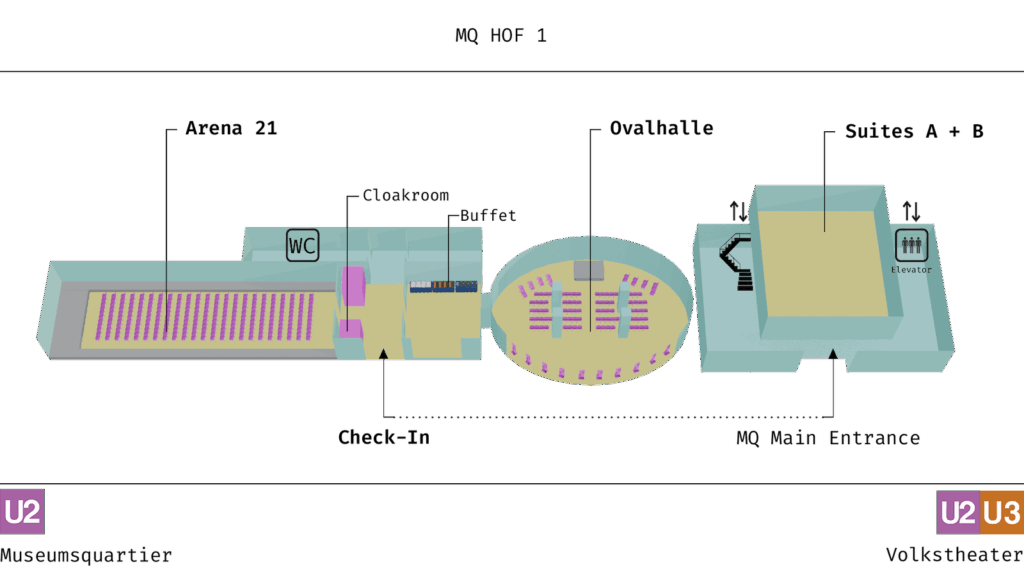
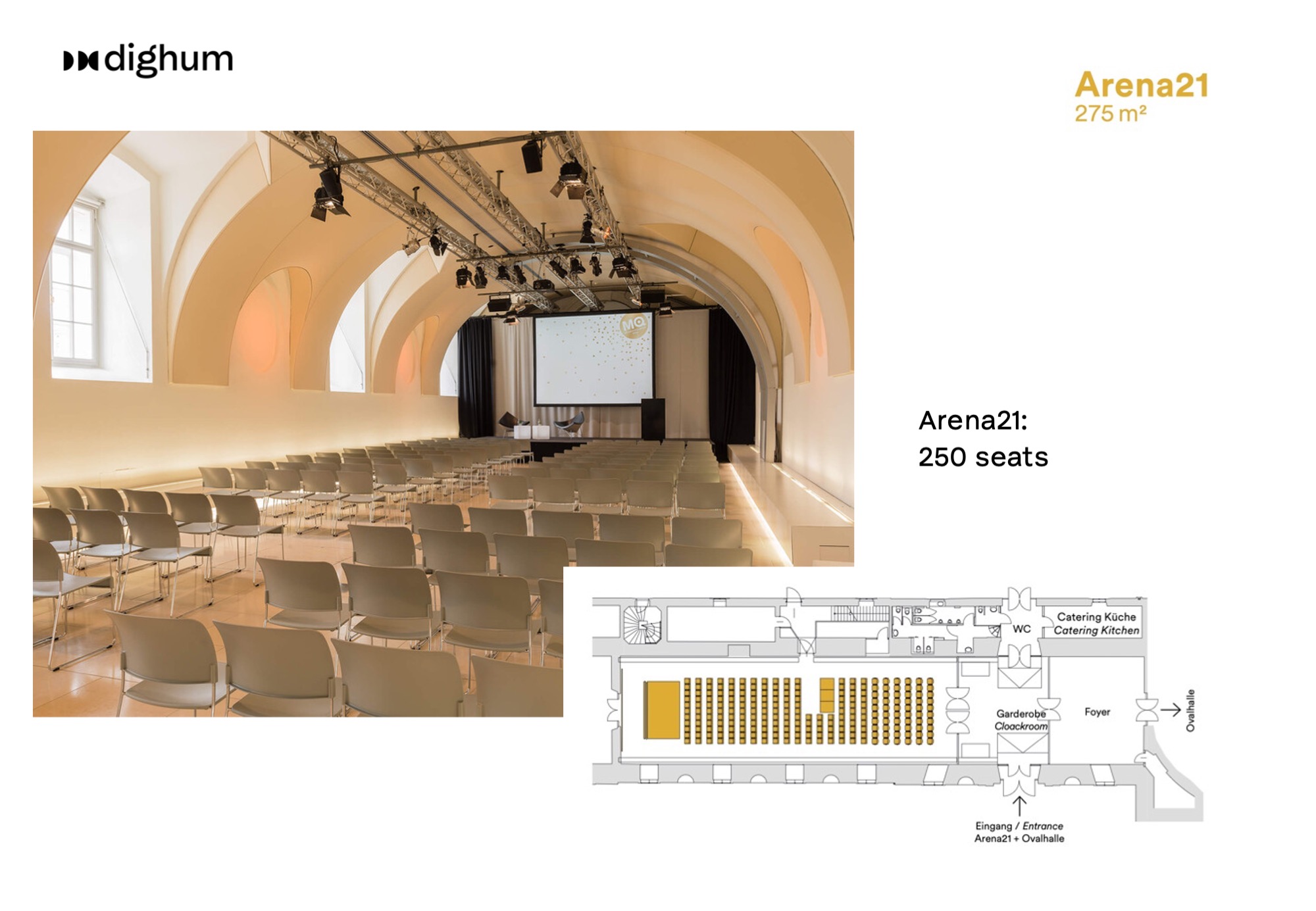
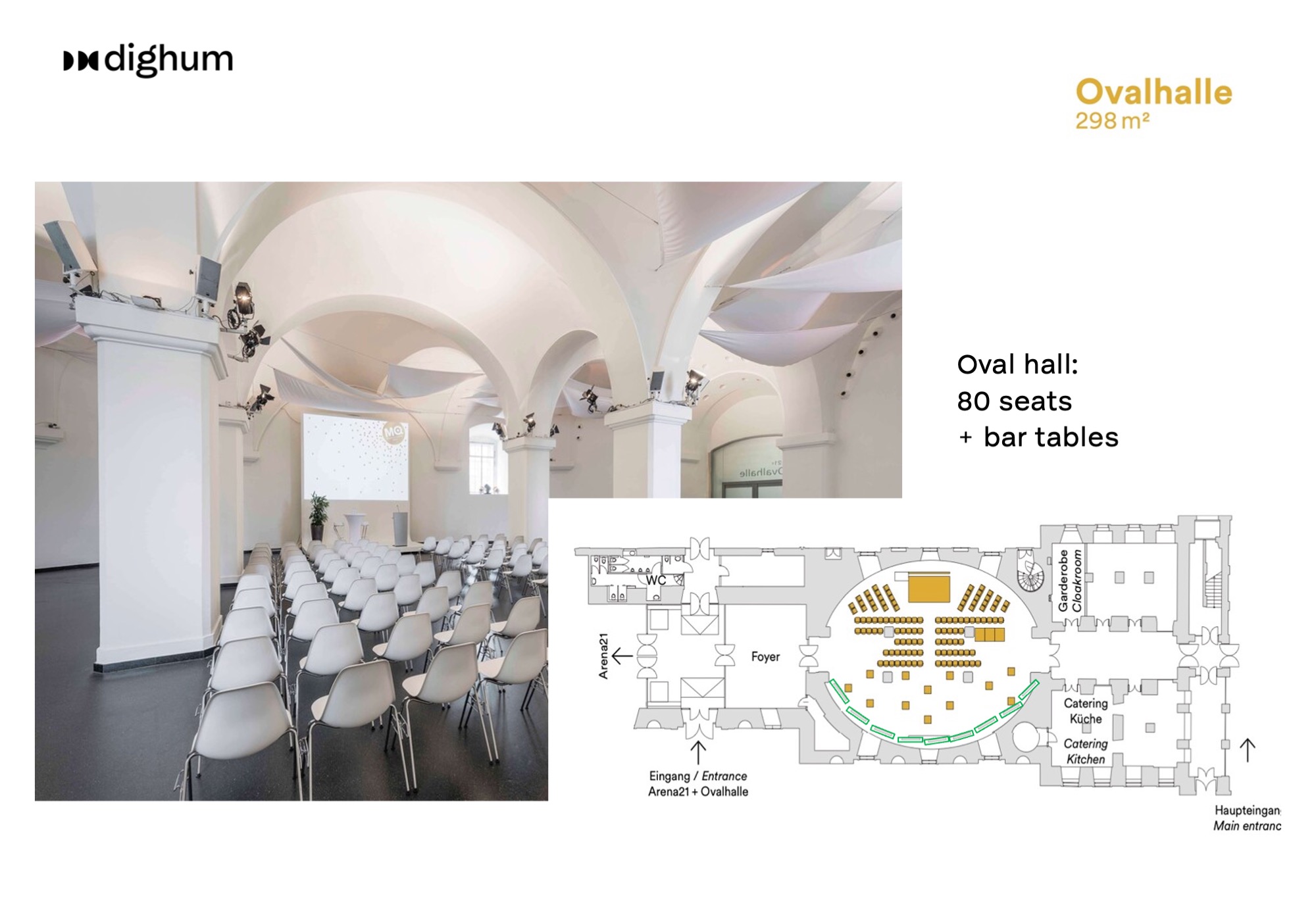
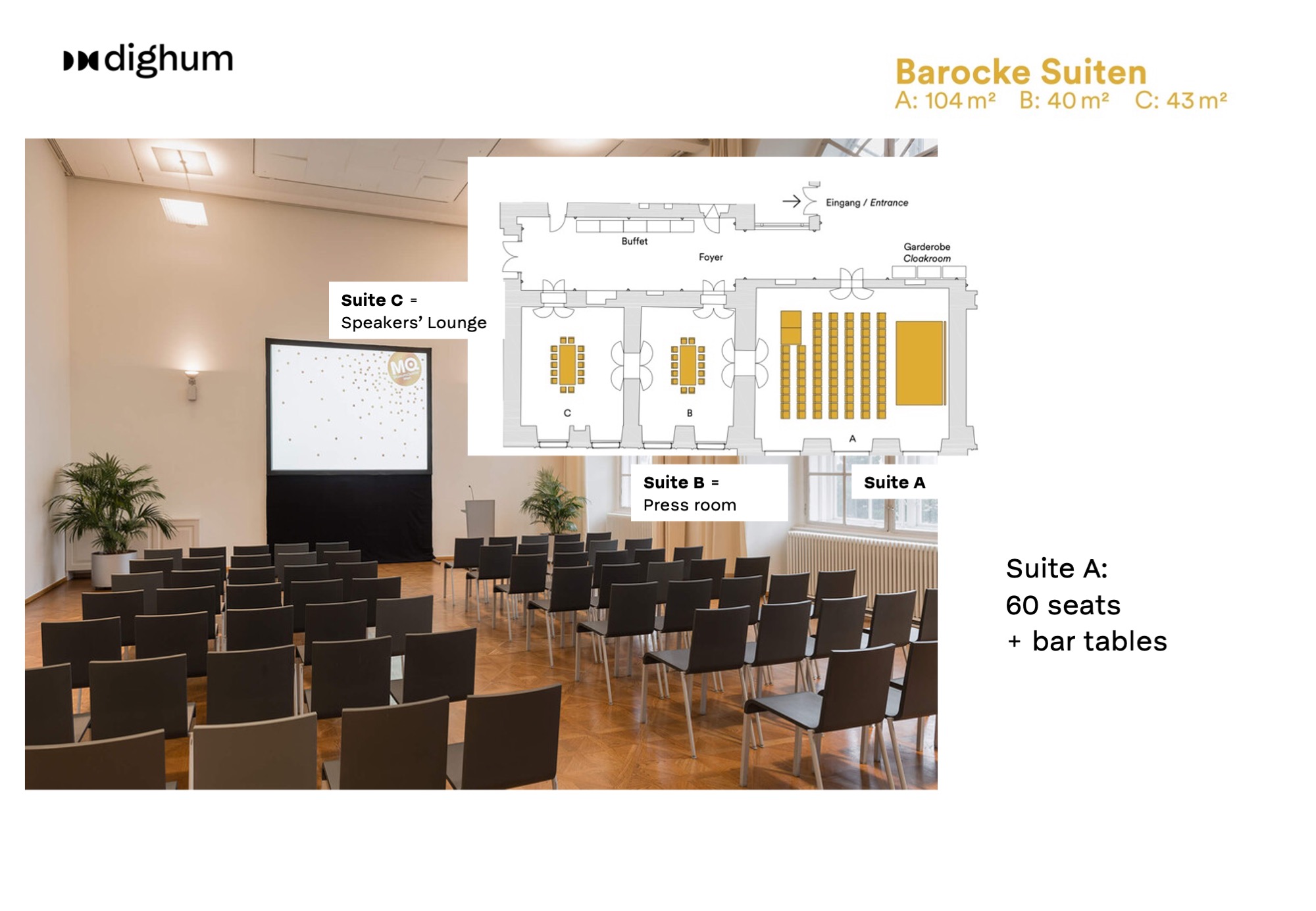
Room plan
Speakers' lounge
For staff, speakers, and hosts there will be a lounge room on the first floor (Suite C). We also have a separate room adjacent to the speakers’ lounge that can be used for interviews or smaller meetings (Suite B).
📌 Speakers’ lounge
📍 Where: Suite C, first floor
Conference passes: Do I need to register?
As a speaker at the conference, you do not need to register separately for a conference pass (exception: special evening events – film screening on Sunday, industry evening on Wednesday, and student workshop on Tuesday). Please check in directly at the “Speakers Check-in” desk at the entrance to receive your badge.
Photo, video & audio
Please note that photo, audio and video recordings will be made during the event. By participating as a speaker, you consent to the recording and possible use of your presentation and contributions for documentation and promotional purposes. If you have any concerns, please contact the organisers in advance.
Code of conduct
We encourage an open, friendly, and respectful atmosphere. Speakers should engage positively with attendees and fellow speakers.
The event is committed to providing a harassment-free experience for everyone. Offensive comments or behaviour will not be tolerated. Please get in contact with the team at office@digitalhumanism.at, in case you notice something inappropriate.
Contact
Erich Prem
Conference Chair
president@digitalhumanism.at
Pit Frantzen
Sound & Venue Management
pf@digitalhumanism.at
Sabine Melnicki
Operations & Communications
sm@digitalhumanism.at
Therese Aigner
Press coordination
press@dighum.wien
General contact
info@dighum.wien
Don’t know whom to contact? You can always reach us at office@digitalhumanism.at.
Technical support: For technical queries before or during the event, please reach out to office@digitalhumanism.at, contact Pit or visit the front desk at the venue.